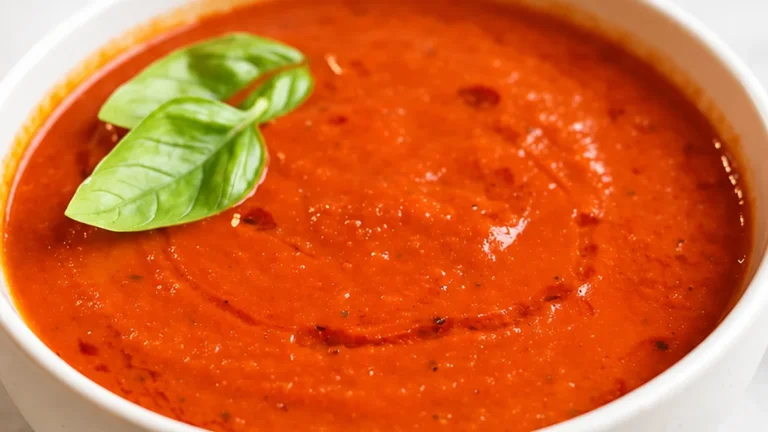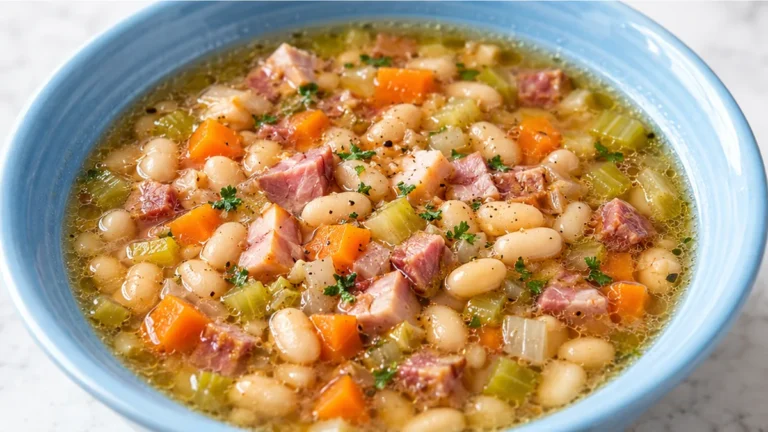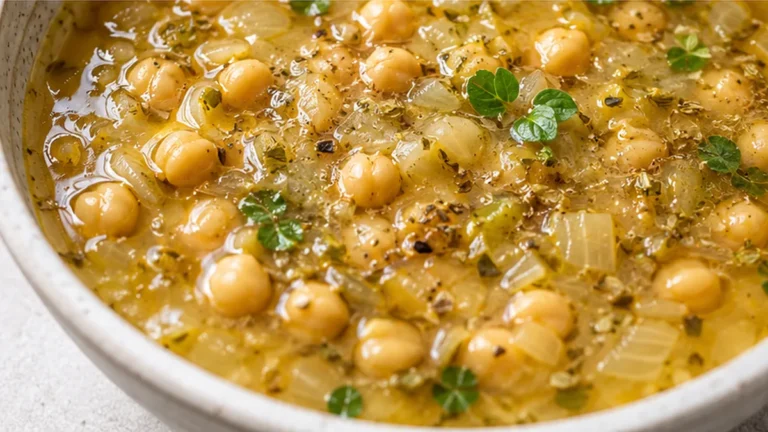

The secret to a longer, healthier life might just be in your soup bowl. Blue Zone Minestrone Soup, inspired by the eating habits of communities with the highest life expectancies, is a powerhouse of nutrients and flavor. This hearty, plant-forward soup combines a medley of fresh vegetables, robust beans, and wholesome pasta for a truly nourishing experience. It’s a simple yet profound way to embrace a lifestyle centered around well-being, proving that delicious food can also be incredibly good for you. This Blue Zone Minestrone Soup is designed for both bright health and satisfying taste. Each spoonful offers a complex yet comforting flavor profile, building on a foundation of sautéed aromatics and a rich vegetable broth. It’s a testament to how simple, whole ingredients can create a dish that is both deeply flavorful and incredibly beneficial.
Key takeaways
- Use fresh, high-quality ingredients for the best flavor.
- Aromatics are essential for building a rich base in the soup.
- Balance seasoning carefully to enhance the overall taste.
- Adjust cooking times to prevent vegetables from becoming too soft.
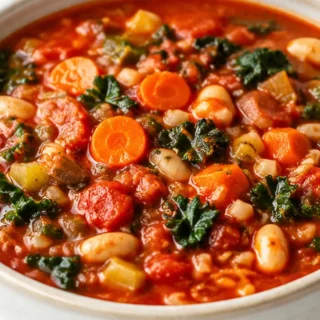
Blue Zone Minestrone Soup
Ingredients
- 2 tablespoons olive oil
- 1 small onion (diced)
- 3 stalks celery (diced)
- 3 carrots (peeled and cut into rounds)
- 4 cloves garlic (minced)
- 3 tablespoons tomato paste
- 1 teaspoon oregano
- 1 teaspoon dried thyme
- 2 teaspoons kosher salt
- Red pepper flakes
Instructions
- Warm the olive oil in a large pot over medium heat. Add the onion, celery, and carrots, and sauté for 4-6 minutes until the onion is translucent.
- Stir in the minced garlic and cook for 1 minute until fragrant. Add the tomato paste, oregano, thyme, salt, and red pepper flakes.
- Add diced tomatoes, vegetable broth, and beans. Bring to a gentle simmer, then reduce to low and simmer for 8-10 minutes.
- Increase heat to medium-high and stir in the pasta. Cook for 10-12 minutes until the pasta is al dente.
- Stir in chopped kale, parsley, and basil until wilted. Season with salt and pepper to taste.
Video
Notes
Choosing the Right Ingredients for Minestrone Soup
The quality of ingredients significantly impacts the flavor and texture of your minestrone soup. Fresh vegetables like onion, celery, and carrots contribute essential nutrients and natural sweetness. Opt for low-sodium vegetable broth to control salt levels while enhancing the soup’s depth. Using high-quality olive oil for sautéing not only adds richness but also aids in flavor extraction from the aromatics.
The Importance of Aromatics in Flavor Development
Aromatics are the backbone of minestrone soup. Sautéing diced onions, celery, and carrots in olive oil creates a flavorful base through the Maillard reaction, which occurs when proteins and sugars in the vegetables caramelize. Aim for about 5-7 minutes of cooking over medium heat to achieve a golden color without burning, which can introduce bitterness.
Balancing Seasoning for Optimal Taste
Seasoning is crucial in minestrone soup. Start with kosher salt, as its larger grains dissolve more slowly, allowing you to control the saltiness better. Adding red pepper flakes provides a hint of heat, but adjust according to your spice tolerance. Taste as you go; the soup should have a well-rounded flavor profile without any single ingredient overpowering the others.
Common Issues and How to Fix Them
- Too Watery: If your soup turns out too thin, simmer it uncovered for an additional 10-15 minutes to reduce excess liquid.
- Overly Salty: To counteract excess salt, add more diced vegetables or a potato to absorb some saltiness.
- Vegetables Too Soft: If vegetables become mushy, reduce cooking time by adding them later in the cooking process.
- Flavor Lacking Depth: If the soup tastes flat, consider adding a splash of balsamic vinegar or a pinch of sugar to balance flavors.
Unique Characteristics of Blue Zone Minestrone Soup
This minestrone soup recipe is inspired by the dietary habits of Blue Zone regions, known for their longevity. The focus on plant-based ingredients and healthy fats aligns with the principles of a Mediterranean diet. Unlike traditional minestrone, this version emphasizes simplicity and the natural flavors of vegetables, making it both nutritious and satisfying.
How to Properly Store Leftover Minestrone Soup
To ensure the best flavor and texture, allow your minestrone soup to cool completely before storing it. Transfer it to airtight containers, filling them to just below the rim to allow for expansion in the freezer. For refrigeration, consume within 3-4 days. For longer storage, freeze the soup for up to 3 months. To reheat, thaw overnight in the refrigerator and heat on the stove over medium heat, stirring occasionally to maintain even heating.
Adjusting Serving Sizes for Minestrone Soup
Scaling your minestrone soup recipe is straightforward. To double the recipe, simply double all ingredients, maintaining the same cooking times. However, be cautious with seasonings; start with the original amounts and adjust to taste. For smaller servings, halve the ingredients and consider using a smaller pot to ensure even cooking. This flexibility allows you to cater to different occasions, from intimate dinners to larger gatherings.
Choosing the Right Equipment for Cooking Minestrone Soup
The type of pot you use can significantly affect the cooking process. A heavy-bottomed pot or Dutch oven is ideal for even heat distribution, preventing hotspots that can burn ingredients. Stainless steel or enameled cast iron are excellent choices. Avoid non-stick pans, as they may not withstand the prolonged heat needed for simmering. Additionally, using a lid during cooking can help retain moisture and enhance flavors.
Seasonal Adjustments for Ingredients in Minestrone Soup
Seasonal changes can greatly affect the quality and flavor of your minestrone soup. In spring, opt for fresh peas and asparagus for a vibrant touch. Summer is perfect for ripe tomatoes and zucchini, while fall lends itself to hearty squash and root vegetables. Winter calls for sturdier greens like kale or collard greens. Always choose the freshest, locally sourced ingredients when possible, as they will enhance the overall taste and nutritional value of the soup.
Understanding the Flavor Development in Blue Zone Minestrone Soup
The depth of flavor in minestrone soup comes from the careful layering of ingredients. Start by sautéing the diced onion in olive oil until translucent, which typically takes about 5-7 minutes at medium heat (approximately 160°C or 320°F). This process allows the natural sugars in the onion to caramelize, enhancing the soup’s sweetness. Adding garlic just before the tomato paste ensures it doesn’t burn, as garlic can become bitter when overcooked. Incorporating herbs like oregano and thyme at this stage allows their essential oils to infuse the oil, creating a robust base for the soup. The tomato paste, when cooked briefly, helps develop a richer flavor through the Maillard reaction, which occurs at temperatures above 120°C (248°F). This foundational technique is critical for achieving a well-balanced and flavorful minestrone.
Adapting Blue Zone Minestrone Soup for Seasonal Ingredients
Seasonality plays a significant role in the quality and flavor of your minestrone soup. For instance, using fresh, in-season vegetables like zucchini in the summer or root vegetables like parsnips in the winter can elevate the dish. When vegetables are at their peak ripeness, they offer more nutrients and flavor, which enhances the overall quality of the soup. If you’re using frozen or out-of-season vegetables, consider adjusting cooking times; frozen vegetables may require less cooking time to prevent them from becoming mushy. Always taste and adjust seasoning based on the freshness of your ingredients, as this can vary widely. The quality of your produce will directly impact the soup’s final taste.
Choosing the Right Equipment for Making Minestrone Soup
The equipment you use can influence the cooking process and the final outcome of your minestrone soup. A heavy-bottomed pot or Dutch oven is ideal for even heat distribution, reducing the risk of scorching the ingredients. When sautéing, a pot with a wide base allows for better evaporation, concentrating flavors. If you opt for an immersion blender to purée part of the soup for a creamier texture, ensure it is submerged fully to avoid splattering. If using a slow cooker, the cooking time will increase; typically, you should expect to cook the soup on low for 6-8 hours. Understanding these nuances can help you achieve the best possible results.
Scaling Up or Down: Adjusting Batch Sizes for Minestrone Soup
Scaling your minestrone soup recipe can be straightforward, but attention to detail is essential to maintain flavor balance. When doubling or halving the recipe, maintain the same ratios of ingredients, especially the aromatics and seasonings. However, cooking times may vary; larger batches may require additional time to reach the desired tenderness in vegetables. Conversely, smaller batches may cook faster. For instance, if you double the soup, expect to add an extra 10-15 minutes of simmering time. Also, consider the size of your cooking pot; overcrowding can lead to uneven cooking. Always taste and adjust seasoning as needed, as larger quantities can dilute flavors.
Understanding the Make-Ahead Benefits of Blue Zone Minestrone Soup
Minestrone soup is an excellent candidate for make-ahead preparation due to its robust flavors that deepen over time. When you prepare this soup in advance, the ingredients have the opportunity to meld, enhancing the overall taste. The soup can be stored in the refrigerator for up to 5 days or frozen for up to 3 months. To ensure optimal flavor retention, cool the soup completely before transferring it to airtight containers. When reheating, do so slowly over low heat, adding a splash of water or broth if the soup has thickened. This method not only saves time during busy weekdays but also allows for a nutritious, hearty meal that is ready to serve at a moment’s notice.
Choosing the Right Equipment for Cooking Blue Zone Minestrone Soup
While making minestrone soup, the choice of cooking equipment can significantly impact the final result. A heavy-bottomed pot, such as a Dutch oven, is ideal for even heat distribution, preventing burning and allowing for proper sautéing of the vegetables. Using a pot that holds at least 6 quarts ensures you have enough space for the ingredients to cook without overcrowding. Additionally, a wooden spoon is preferred for stirring, as it allows for gentle mixing without scratching the pot’s surface. If you have an immersion blender, it can be beneficial for achieving a smoother texture if desired, particularly if you want to blend a portion of the soup to create a creamy consistency.
Pro tips
- Use a variety of colorful vegetables for maximum nutrient diversity.
- Don’t skip sautéing the aromatics; it builds the flavor base.
- Simmer the soup for at least 10 minutes after adding broth to let flavors meld.
- For a richer flavor, use a good quality vegetable broth.
Enjoy this nourishing Blue Zone Minestrone Soup as a delicious step towards a healthier lifestyle. It’s a comforting and satisfying meal that nourishes both body and soul.
Frequently asked questions
Can I add pasta to my minestrone soup?
Yes, adding pasta is common in minestrone soup. Cook it separately and add it just before serving to prevent it from becoming mushy in the soup.
How long can I store leftover minestrone soup?
Leftover minestrone soup can be stored in the refrigerator for up to 3-4 days. For longer storage, consider freezing it for up to 3 months.
What can I use instead of tomato paste?
If you don’t have tomato paste, you can use crushed tomatoes or tomato sauce. However, you may need to adjust cooking time to allow for thickening.
Can I use frozen vegetables in this recipe?
Yes, frozen vegetables can be used as a convenient alternative. Just be aware that they may release more water, so adjust cooking times accordingly to achieve the desired consistency.
More from Vegetable & Bean Soups →