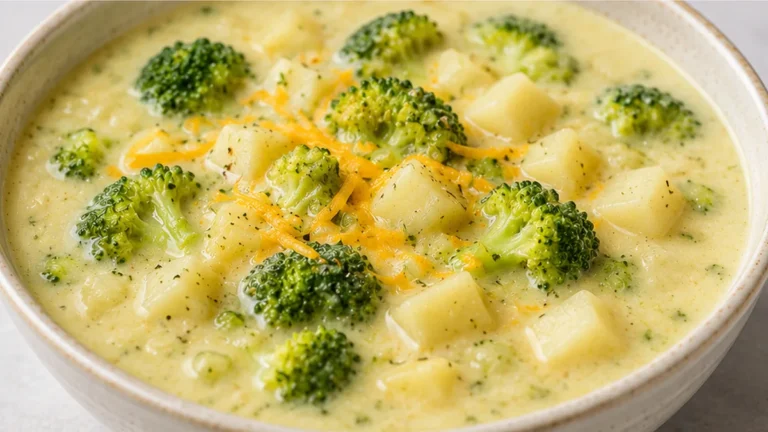

This creamiest cauliflower potato soup combines the starch from potatoes and a smooth cauliflower puree. It’s a simple, comforting recipe that highlights these key ingredients.
Key takeaways
- Emulsification is key for a creamy texture; Cook vegetables until tender for best blending; Substituting butter with olive oil alters flavor and texture; Cauliflower and potatoes provide a unique balance in flavor and nutrition.

Creamiest Cauliflower Potato Soup
Ingredients
- 1/4 cup (4 Tbsp; 56g) unsalted butter
- 1 and 1/2 cups (195g) diced yellow onion
- 4 teaspoons minced fresh garlic
- 1 teaspoon salt
- 1/4 teaspoon freshly ground black pepper
- 1 teaspoon dried thyme
- 1 teaspoon dried parsley
- 6 cups (48 oz./1.4L) chicken or vegetable broth
- 1 tablespoon fresh lemon juice
- 1 bay leaf
Instructions
- Melt the butter over medium heat in a large stockpot or Dutch oven for about 2 minutes.
- Add the onions and cook, stirring occasionally, until the onions soften and begin to turn translucent, about 5 minutes.
- Add the garlic and cook, stirring frequently, until fragrant, about 1 minute. Do not let the garlic get too brown.
- Stir in the salt, pepper, thyme, and parsley. Cook for 1 minute.
- Add broth, lemon juice, bay leaf, potatoes, and cauliflower. Bring to a boil, then reduce heat to medium-low and simmer for 35 minutes.
- Remove from heat. Remove bay leaf. Using an immersion blender, puree the soup until smooth and creamy.
Video
Notes
The Role of Emulsification in Achieving Creaminess
The creamiest cauliflower potato soup is a product of effective emulsification. Emulsification in soups refers to the process of blending fats and liquids to create a smooth, homogenous texture. For this recipe, the unsalted butter plays a crucial role in this process. When melted and combined with the sautéed onions and garlic, it forms a rich base that enhances the soup’s mouthfeel. The key to a successful emulsion is maintaining a temperature between 60°C to 70°C (140°F to 158°F) to prevent separation. If the soup cools too much, the emulsion can break, leading to a less creamy consistency.
Identifying and Correcting Common Texture Issues
Texture is paramount in achieving the desired creaminess of this soup. If the soup turns out grainy, it may be due to insufficient blending or undercooked vegetables. To remedy this, ensure that the cauliflower and potatoes are cooked until tender before blending, ideally at least 15-20 minutes in the broth. If you find the soup too thin, you can thicken it by adding more potatoes or using a cornstarch slurry. Conversely, if it’s too thick, a splash of additional broth or water can help reach the desired consistency.
Ingredient Substitutions and Their Impact on Flavor
While the original recipe calls for unsalted butter, substituting it with olive oil can introduce a different flavor profile, making the soup slightly more robust. However, this swap may reduce the creaminess slightly, as butter contributes to a richer mouthfeel. If you’re looking for a dairy-free option, coconut milk can be used instead of butter, imparting a subtle sweetness and additional creaminess. Keep in mind that this will change the flavor significantly, giving it a tropical twist.
Unique Characteristics of This Cauliflower Potato Soup
This soup stands out due to its combination of cauliflower and potatoes, which provides a unique balance of flavors. Cauliflower offers a mild nuttiness, while potatoes contribute a hearty, creamy texture when blended. Unlike many traditional potato soups, which can be overly starchy, the addition of cauliflower lightens the dish, making it a healthier option. This combination not only enhances the flavor but also boosts the nutritional profile, providing a good source of vitamins C and K, as well as fiber.
Understanding the Impact of Ingredient Quality on Flavor
The quality of your ingredients significantly affects the final taste of the creamiest cauliflower potato soup. Fresh, seasonal vegetables will yield a more vibrant flavor compared to older or frozen ones. For instance, using locally sourced cauliflower can enhance the natural sweetness and texture of the soup. Similarly, the type of broth you choose—whether homemade or store-bought—can introduce varying levels of saltiness and depth. Opt for low-sodium broth if you prefer to control the salt content, and consider adding a splash of white wine or a dash of soy sauce for added umami. Additionally, organic vegetables often have a more pronounced flavor profile, making them a worthwhile investment for this dish.
Best Practices for Scaling the Recipe
When scaling the creamiest cauliflower potato soup recipe, it’s essential to maintain the ratios of ingredients to preserve the intended flavor and texture. Doubling the recipe is straightforward; however, beyond that, consider adjusting cooking times slightly. Larger batches may require a longer simmering time to ensure even cooking and flavor development. If you are using a larger pot, be mindful of the heat distribution, as it may not cook as evenly as a smaller batch. Additionally, if you plan to freeze portions, ensure you leave some space in your containers for expansion. Label your containers with the date and contents to keep track of freshness.
Equipment Considerations for Optimal Texture
The equipment used in preparing the creamiest cauliflower potato soup can greatly influence its texture. A high-powered blender is recommended for achieving a silky-smooth consistency, as it can thoroughly puree the ingredients without leaving any lumps. If you have a food processor, it can also work, but the soup may not be as smooth. On the other hand, if you prefer a chunkier texture, consider using an immersion blender, which allows you to control the puréeing process more directly. Additionally, using a heavy-bottomed pot can help distribute heat evenly, preventing the soup from scorching on the bottom while simmering.
Pairing Suggestions for a Complete Meal
To elevate your creamiest cauliflower potato soup into a complete meal, consider pairing it with complementary sides. A fresh green salad with a tangy vinaigrette can provide a refreshing contrast to the richness of the soup. For a heartier option, serve it alongside crusty bread or grilled cheese sandwiches, which can enhance the comfort food aspect of the dish. If you’re looking to incorporate protein, roasted chicken or chickpeas can be excellent additions. Additionally, a sprinkle of fresh herbs such as chives or parsley right before serving can brighten the flavor profile, making each bowl visually appealing and delicious.
Understanding the Role of Temperature in Achieving Optimal Creaminess
Temperature control is crucial in making the creamiest cauliflower potato soup. When sautéing the onions and garlic, maintaining a medium heat allows for even cooking without burning, which could impart bitterness to the soup. After adding the broth and vegetables, simmer the mixture gently for about 20-25 minutes. This allows the cauliflower and potatoes to soften adequately, ensuring they blend smoothly into a creamy texture. If the soup is boiled too vigorously, it might separate or become grainy. Aim for a final blending temperature of around 70°C (160°F) to achieve the best consistency without overcooking the ingredients.
Batch Scaling: Adjusting Ingredients for Larger Groups
Scaling this creamy cauliflower potato soup recipe is straightforward, but it requires careful adjustments to maintain flavor and texture. For every additional 1.5 liters of broth, increase the quantities of cauliflower and potatoes proportionately, ensuring a consistent ratio. Additionally, consider that larger batches may require a longer cooking time to reach the desired tenderness. When scaling, it’s essential to taste the soup as you go, particularly with seasonings like salt and herbs, which may need slight adjustments to avoid overpowering the dish. A larger pot may also distribute heat differently, so monitoring the cooking process is crucial to prevent uneven cooking.
Seasonal Variations: Adapting to Ingredient Quality and Availability
Seasonal changes can significantly impact the flavor and texture of your creamy cauliflower potato soup. Fresh, in-season cauliflower is likely to be sweeter and more tender, enhancing the overall taste. In winter, consider incorporating root vegetables like parsnips or carrots for added sweetness and depth. During warmer months, you might experiment with lighter herbs like basil or mint to refresh the flavor profile. Additionally, using homemade broth in the winter can add richness, while vegetable broth in the warmer months can keep the soup light. Adjusting the acidity with fresh lemon juice can also brighten the dish, making it more suitable for summer dining.
Understanding the Impact of Cooking Method on Flavor Development
The cooking method significantly influences the flavor profile of the creamiest cauliflower potato soup. Sautéing the onions and garlic in butter before adding the broth helps to develop a rich base, enhancing the overall taste. This process, known as sweating, releases the natural sugars in the onions, creating a deeper, caramelized flavor that complements the earthiness of the cauliflower and potatoes. Aim for a sauté time of about 5 to 7 minutes over medium heat, stirring frequently to prevent burning. The addition of herbs like thyme and parsley during this stage allows their essential oils to infuse into the soup, enhancing its aromatic qualities. Furthermore, the choice of broth—chicken or vegetable—also plays a crucial role. A well-seasoned broth can elevate the soup’s flavor, while a low-quality broth may lead to a bland result. Opt for a homemade or high-quality store-bought broth for the best outcome.
Batch Scaling and Its Effects on Texture and Flavor
When scaling up the recipe for the creamiest cauliflower potato soup, attention to detail is essential to maintain the desired texture and flavor. Doubling or tripling the ingredients can lead to variations in cooking time and texture if not monitored closely. For instance, larger batches may require longer cooking times to ensure even cooking of the cauliflower and potatoes. Additionally, the blending process can be affected; using a standard blender for a large batch may lead to unevenly blended soup. It’s advisable to blend in smaller portions or use an immersion blender directly in the pot. Furthermore, the ratio of liquid to solid ingredients should be kept consistent to avoid a soup that is too thick or too thin. As a general rule, for every additional cup of cauliflower or potato added, increase the broth by approximately 250 ml (1 cup) to maintain the soup’s creamy consistency. This careful scaling ensures that the final dish retains its signature creaminess and flavor, regardless of the batch size.
Pro tips
- Use Yukon Gold or other waxy potatoes for the best texture; starchy potatoes can make the soup gummy.
- Don’t skip the lemon juice; it brightens the flavors and cuts through the richness.
- For an even smoother soup, strain it after blending. This step is optional but creates a luxurious mouthfeel.
- If you don’t have an immersion blender, let the soup cool significantly before transferring to a regular blender in batches to avoid steam explosions.
Enjoy this wonderfully comforting and surprisingly easy cauliflower potato soup. It’s a versatile dish that’s perfect for any occasion.
Frequently asked questions
Can I make this soup vegan?
Yes, you can easily make this soup vegan by substituting the unsalted butter with olive oil or a vegan butter alternative. Additionally, use vegetable broth instead of chicken broth to keep the dish plant-based.
How can I store leftover soup?
Leftover soup can be stored in an airtight container in the refrigerator for up to 3-4 days. For longer storage, consider freezing it in individual portions, which can last up to 3 months.
What can I add for extra flavor?
To enhance the flavor of your soup, consider adding spices like smoked paprika or cayenne pepper for a bit of heat. Fresh herbs like chives or dill can also elevate the dish when sprinkled on top before serving.
Is there a way to make this soup thicker?
If you prefer a thicker consistency, you can add more potatoes or blend in some cooked white beans. Alternatively, a cornstarch slurry can be used to thicken the soup without compromising the flavor.
More from Creamy Soups & Chowders →