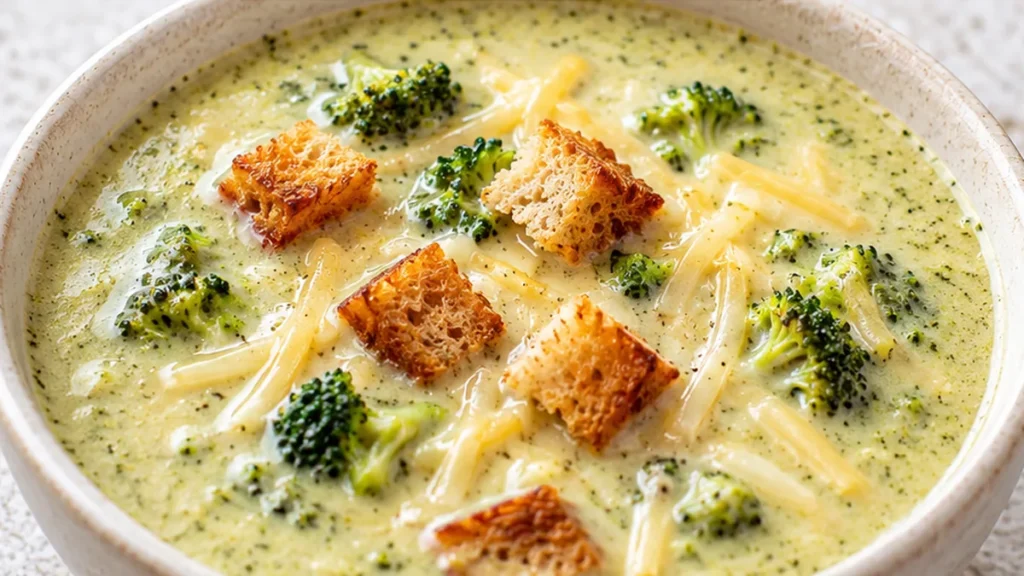
This melt in your mouth cheddar broccoli soup is simple to prepare. It combines fresh broccoli with rich cheddar for a satisfying meal. Ideal for any occasion.
Key takeaways
- The right cheese fat content enhances creaminess.
- Cooking broccoli properly maintains texture and nutrients.
- Gradual cheese incorporation prevents clumping.
- Fresh ingredients elevate flavor and nutrition in the soup.
Melt-in-Your-Mouth Cheddar Broccoli Soup!
Ingredients
Instructions
- Heat 2 tablespoons of olive oil in a large Dutch oven or pot over medium heat. Add the chopped onion and cook until softened, about 5-7 minutes. Add the sliced garlic and cook for 1 minute more until fragrant.
- Stir in the chopped broccoli and vegetable broth. Bring to a boil, then reduce heat to a simmer, cover, and cook for 15-20 minutes, or until the broccoli is very tender. Season generously with kosher salt and freshly ground black pepper.
- Carefully transfer half of the soup to a blender and blend until smooth. Return the blended soup to the pot with the remaining chunky soup. Alternatively, use an immersion blender to blend half the soup directly in the pot, leaving some chunks for texture.
- Reduce heat to low. Gradually stir in the shredded sharp cheddar cheese, a handful at a time, until completely melted and smooth. If desired, stir in the heavy cream for extra richness.
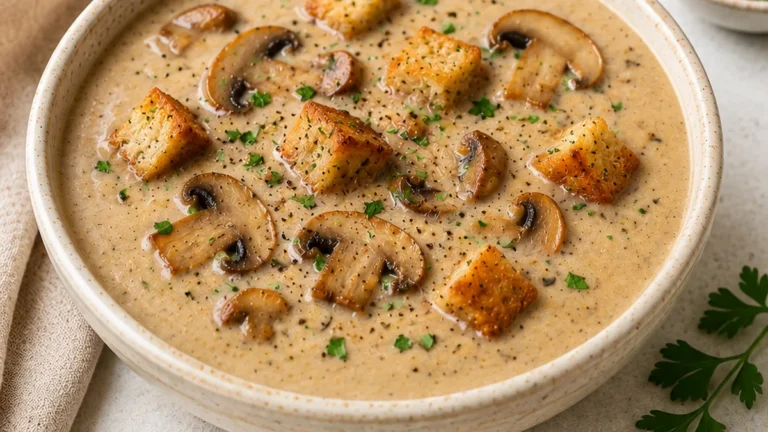
- While the soup is simmering, preheat oven to 375°F (190°C). Toss the cubed baguette with 1 tablespoon of olive oil on a baking sheet. Spread in a single layer and bake for 8-10 minutes, or until golden brown and crispy. Season with a pinch of salt if desired.
- Taste the soup and adjust seasonings as needed. Serve hot, garnished with the toasted croutons and an extra sprinkle of black pepper.
The Science Behind a Creamy Texture
The key to achieving a melt in your mouth cheddar experience in broccoli soup lies in the balance of fat and starch. When making this soup, the fat from the cheddar cheese interacts with the starches in the broccoli and any added potatoes, creating a creamy emulsion. Aim for a fat content of around 30% in your cheese for optimal creaminess. Additionally, cooking the broccoli until tender but not mushy allows it to maintain some structure, enhancing the mouthfeel of the soup.
Common Issues and How to Address Them
When preparing melt in your mouth cheddar broccoli soup, several common pitfalls can arise:
- Issue: The soup is too thin. Cause: Insufficient thickening agents or too much liquid. Fix: Incorporate a roux or blend in more cooked broccoli to thicken.
- Issue: The cheese clumps instead of melting smoothly. Cause: Adding cheese at too high a temperature. Fix: Lower the heat and gradually stir in the cheese off the heat.
- Issue: The flavor is bland. Cause: Lack of seasoning. Fix: Add salt, pepper, and a touch of garlic or onion powder to enhance the flavor.
Ingredient Swaps and Their Effects
Making substitutions can impact the final dish significantly. Here are a few swaps to consider:
- Using sharp cheddar instead of mild will yield a more pronounced cheese flavor, enhancing the overall taste.
- Substituting vegetable broth for chicken broth can make the soup vegetarian-friendly, but may require additional seasoning to maintain depth of flavor.
- Replacing cream with a plant-based milk can reduce calories but may alter the richness; consider adding nutritional yeast for a cheesy flavor.
Unique Characteristics of This Soup
This cheddar broccoli soup stands out due to its use of fresh broccoli, which not only provides a vibrant color but also retains its nutrients better than frozen options. The freshness of the broccoli, combined with the melt in your mouth cheddar, creates a comforting dish that is both satisfying and nutritious. Additionally, the method of blending part of the soup creates a delightful texture contrast, making each spoonful a unique experience.
How to Properly Store and Reheat Cheddar Broccoli Soup
Storing cheddar broccoli soup correctly is crucial for maintaining its creamy texture and flavor. After cooking, allow the soup to cool completely before transferring it to an airtight container. It can be stored in the refrigerator for up to 3-4 days. For longer storage, consider freezing it. However, note that freezing can alter the texture due to the separation of dairy. When reheating, do so gently over low heat to avoid curdling the cheese. Stir frequently and add a splash of broth or milk if the soup appears too thick.
Scaling the Recipe for Different Servings
When scaling the cheddar broccoli soup recipe, it’s essential to adjust the ingredient quantities proportionally. For example, if you double the recipe, increase the ingredients by a factor of two. However, pay attention to cooking times; larger batches may require additional time to simmer and thicken. Ensure that the pot you are using is large enough to accommodate the increased volume without overflowing. Additionally, consider the cooking temperature; a larger volume may need a slightly higher heat to maintain a consistent simmer.
Choosing the Right Equipment for Optimal Results
The equipment you use can significantly affect the outcome of your cheddar broccoli soup. A heavy-bottomed pot is ideal as it distributes heat evenly, preventing hotspots that can scorch the ingredients. An immersion blender is recommended for achieving a smooth consistency without transferring the soup to a blender. If you prefer a chunky texture, a potato masher can be used instead. Ensure your equipment is clean and dry before use to avoid any unwanted flavors.
Seasonal Variations and Ingredient Quality Impact
The quality of ingredients and seasonal variations can greatly influence the flavor of your cheddar broccoli soup. Fresh, in-season broccoli will provide a more vibrant flavor compared to out-of-season or frozen varieties. Additionally, consider using artisanal cheddar cheese for a richer taste. In the colder months, adding spices like nutmeg or cayenne can enhance warmth, while in the spring, a squeeze of lemon juice can brighten the flavors. Always taste and adjust seasoning based on the freshness of your ingredients.
Understanding the Impact of Ingredient Quality on Flavor
The quality of ingredients significantly influences the final flavor profile of melt-in-your-mouth cheddar broccoli soup. Fresh broccoli, for instance, provides a vibrant color and a sweet, earthy taste that frozen alternatives cannot replicate. When selecting cheddar cheese, opt for high-quality aged varieties, which offer a sharper, more complex flavor that enhances the soup’s richness. For the best results, consider sourcing organic vegetables and artisanal cheeses. Using fresh herbs, like thyme or parsley, can also elevate the flavor, providing a fragrant note that complements the creamy base. Seasoning with freshly cracked black pepper and a pinch of nutmeg can further enhance the depth of flavor, making each spoonful more satisfying.
Adjusting Consistency for Personal Preference
The consistency of cheddar broccoli soup can be tailored to suit individual preferences. If you prefer a thicker soup, consider reducing the amount of broth or adding a slurry made from cornstarch and water. For a creamier texture, incorporate more cream or a splash of milk. Conversely, if a lighter soup is desired, increase the broth and reduce the cream content. It’s essential to adjust these elements gradually, tasting as you go, to find the perfect balance. Remember that the soup will thicken slightly as it cools, so aim for a slightly thinner consistency when serving. This adaptability allows for a personalized experience, ensuring that each bowl meets your taste.
Making the Most of Leftovers: Reheating and Flavor Enhancement
Leftover cheddar broccoli soup can be a delightful treat if reheated properly. To maintain its creamy texture, reheat gently over low heat, stirring frequently to prevent separation. Adding a splash of broth or cream can help restore its original consistency. For an extra flavor boost, consider adding a handful of fresh spinach or kale during reheating, which not only enhances nutrition but also adds a pop of color. If you find the soup has thickened too much, simply adjust with additional liquid. This method not only ensures that the leftovers taste just as good as the first serving but also allows for creative enhancements, making each reheated bowl a new experience.
Understanding the Make-Ahead Potential of Cheddar Broccoli Soup
This cheddar broccoli soup is not only delicious but also a fantastic make-ahead option. When prepared in advance, the flavors meld beautifully, enhancing the overall taste of the dish. To maximize its make-ahead potential, allow the soup to cool completely before transferring it to airtight containers. It can be refrigerated for up to three days or frozen for up to three months. When reheating, do so gently over low heat, stirring frequently to maintain the creamy texture. If the soup thickens too much during storage, simply add a splash of broth or milk to achieve the desired consistency.
Scaling the Recipe for Different Occasions
Scaling your cheddar broccoli soup recipe is straightforward and allows for flexibility depending on the number of servings needed. If you plan to serve a larger group, you can easily double or triple the ingredients. However, be mindful of the cooking time; larger batches may require a longer simmering period to ensure the broccoli is tender and the flavors are well combined. Conversely, if you need a smaller portion, halving the ingredients will work well. Just remember to adjust seasoning to taste, as the ratio of spices may slightly change with smaller amounts. This adaptability makes the soup a versatile choice for both intimate dinners and larger gatherings.
Understanding the Creaminess of Melt-in-Your-Mouth Cheddar Broccoli Soup
The secret to achieving the perfect creamy texture in your cheddar broccoli soup lies in the balance of ingredients and cooking techniques. The combination of cheese, cream, and vegetables must be carefully managed. For instance, using a higher fat content cheese, such as sharp cheddar, enhances the creaminess. Aim for a cheese-to-liquid ratio of about 1:2, ensuring that the soup remains thick yet pourable. Additionally, blending part of the soup can create a smoother consistency, while leaving some broccoli pieces intact adds texture. When heating, keep the temperature below 85°C (185°F) to prevent the cheese from becoming grainy. This helps maintain that melt-in-your-mouth quality that defines this soup.
Scaling the Recipe for Different Occasions
When scaling your melt-in-your-mouth cheddar broccoli soup, it’s essential to maintain the ingredient ratios to preserve flavor and texture. For a larger batch, consider increasing the cheese gradually; a good rule of thumb is to add an extra 100 grams of cheese for every additional liter of broth. If you’re downsizing, remember that the cooking time may decrease, so keep an eye on the broccoli to avoid overcooking. Moreover, the soup can be frozen for later use, but for optimal flavor, consume it within three months. When reheating, do so gently on low heat to prevent separation of the cheese and cream. This ensures that every bowl remains as delightful as the first.
Pro tips
Pro tip: Best served immediately while hot!
Frequently asked questions
Can I use frozen broccoli instead of fresh?
Yes, you can use frozen broccoli, but fresh broccoli enhances the texture and nutrient retention. If using frozen, reduce cooking time to prevent mushiness.
How can I make the soup spicier?
To add heat, consider incorporating red pepper flakes, cayenne pepper, or even diced jalapeños. Start with a small amount and adjust to taste.
Can I make this soup in advance?
Yes, this soup can be made ahead of time. Store it in an airtight container in the refrigerator for up to three days. Reheat gently on the stove, adding a splash of broth if it thickens too much.
What is the best way to store leftovers?
Store leftover soup in an airtight container in the refrigerator for up to three days. For longer storage, freeze the soup in individual portions for up to three months. Reheat thoroughly before serving.
More from Creamy Soups & Chowders →