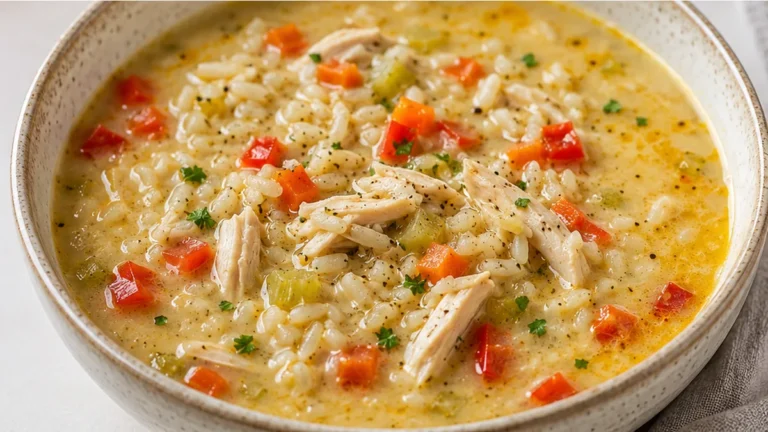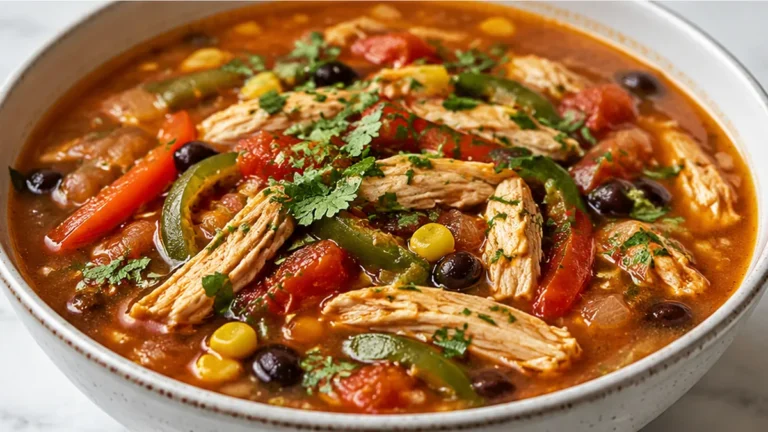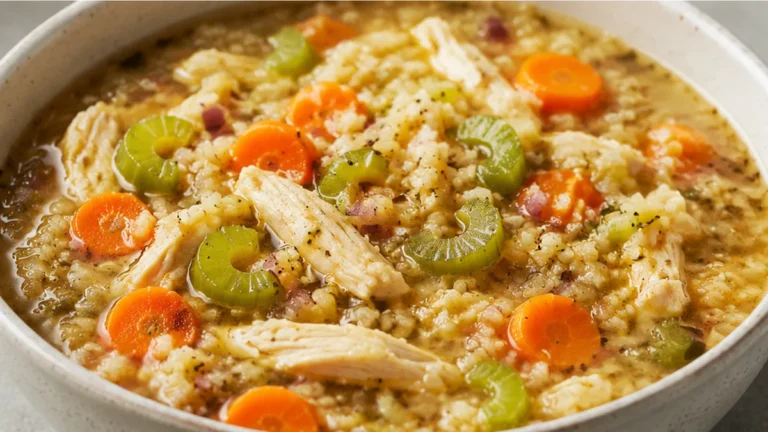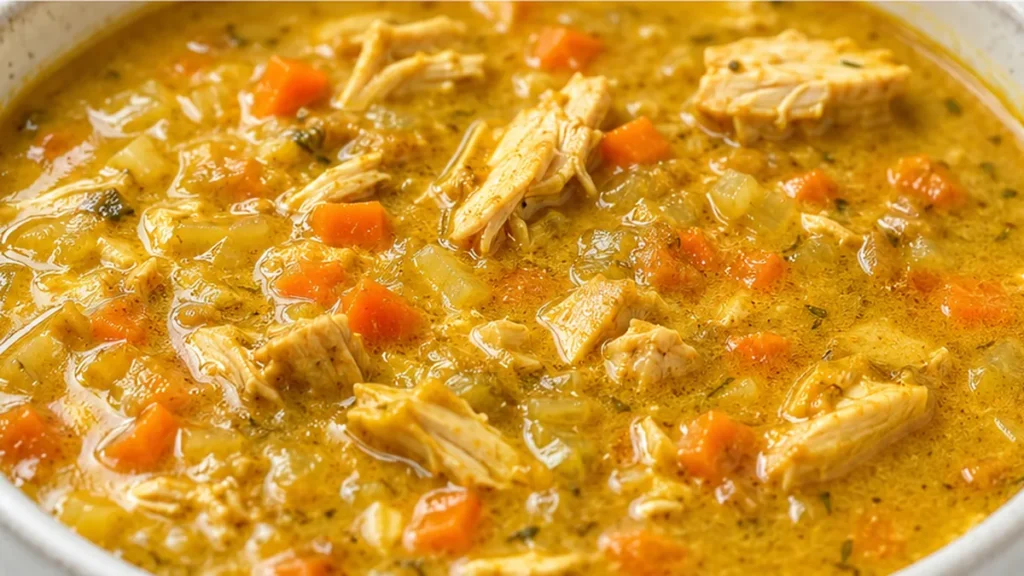
Mulligatawny soup is an Indian-inspired dish that combines spices, chicken, and vegetables. This recipe streamlines the traditional cooking process for home cooks.
Key takeaways
- Ghee enhances flavor and nutrition with a high smoke point.
- Balance spices carefully to avoid overpowering the soup.
- Adjust cooking time to prevent overcooked vegetables.
- Coconut milk gives mulligatawny its unique creamy texture.
The Best Chicken Mulligatawny Soup
Ingredients
- 3 tablespoons ghee
- 1 small yellow onion (diced)
- 1 tablespoon ginger (grated)
- 1 celery stalk (chopped)
- 2 carrots (peeled and diced)
- 2 teaspoons curry powder
- 1 teaspoon sea salt
- 1 teaspoon freshly ground black pepper
- ⅛ teaspoon ground nutmeg
- ⅛ teaspoon dried thyme
- 1 cup coconut milk
- 1/4 cup fresh cilantro (chopped)
Instructions
- Turn the Instant Pot to Saute mode and melt ghee. Add onions and ginger and saute for 2 minutes.
- Stir in celery and carrots and cook for another 1 minute.
- Add curry powder, sea salt, black pepper, nutmeg, and thyme. Stir well to coat the vegetables.
- Add chicken breasts. Close the Instant Pot lid and turn the pressure valve to sealing. Set the Instant Pot to Pressure Cook/Manual(Hi) for 10 minutes.
- Allow natural pressure release for 10 minutes, then carefully open the Instant Pot.
- Take out the chicken, shred it into bite-sized pieces, and add it back to the soup.
- Stir in coconut milk and fresh cilantro. Ladle into bowls and garnish.
Video
Notes
Understanding the Role of Ghee in Mulligatawny Soup
Ghee serves as the cooking fat in this recipe, providing a rich, nutty flavor that enhances the overall taste of the soup. Unlike regular butter, ghee has a higher smoke point (around 450°F or 232°C), allowing for sautéing without burning. The fat also aids in the absorption of fat-soluble vitamins from the vegetables and spices, contributing to a more nutritious dish.
How to Achieve the Perfect Flavor Balance
The combination of spices in mulligatawny soup is crucial for achieving its signature flavor. The balance of curry powder, nutmeg, salt, and pepper should be carefully measured. For instance, too much curry powder can overpower the other flavors, while too little can make the soup bland. A good ratio to start with is 2 teaspoons of curry powder for every quart of liquid. Adjust according to personal taste.
Common Mistakes and How to Fix Them
- Overcooked Vegetables: If your vegetables are mushy, reduce the cooking time after adding them to the ghee. Aim for about 5-7 minutes of sautéing until they are just tender.
- Too Thick or Thin Soup: If your soup is too thick, add more coconut milk or water gradually until the desired consistency is achieved. For a thicker soup, simmer longer to reduce liquid.
- Inadequate Seasoning: If the soup tastes flat, a pinch of salt or an extra squeeze of lime can elevate the flavors. Always taste and adjust before serving.
Ingredient Swaps and Their Effects
- Butter for Ghee: Using butter will impart a different flavor and lower smoke point, which may lead to burning during sautéing.
- Vegetable Broth for Coconut Milk: This will reduce the creaminess and richness of the soup, making it lighter but less indulgent.
- Chopped Chicken for Diced Vegetables: This swap will create a heartier soup but may require longer cooking times to ensure the chicken is cooked through.
The Unique Texture of Mulligatawny Soup
Unlike many traditional soups, mulligatawny features a creamy texture due to the coconut milk. This ingredient not only adds richness but also helps create a luxurious mouthfeel that complements the spices. The use of ghee and coconut milk together is relatively unique in soups, providing a distinctively smooth and flavorful experience that sets mulligatawny apart from other soup varieties.
How to Adjust Mulligatawny Soup for Meal Prep and Storage
Mulligatawny soup is an excellent candidate for meal prep due to its robust flavors that often deepen over time. To make it ahead, cook the soup as directed, allowing it to cool completely before transferring it to airtight containers. This soup can be refrigerated for up to 4 days or frozen for up to 3 months. When reheating, do so gently on the stove over low heat to prevent separation of the coconut milk. If frozen, thaw it overnight in the refrigerator before reheating. Keep in mind that the texture may slightly change after freezing, so you might want to add a splash of coconut milk or broth during reheating to restore creaminess.
Scaling the Recipe for Larger Gatherings
Scaling mulligatawny soup is straightforward, but attention to ingredient ratios is essential for maintaining flavor balance. For every additional serving, consider increasing the base ingredients—onion, carrots, and celery—by approximately 20%. Adjust spices like curry powder and salt proportionally, but taste as you go, as spices can intensify during cooking. If making a large batch, use a larger pot to ensure even cooking and avoid overcrowding, which can lead to uneven heating. Cooking time may also increase slightly, so monitor the soup closely to achieve the desired consistency.
Understanding Equipment Differences and Their Impact on Cooking
The cooking equipment you use can significantly affect the outcome of your mulligatawny soup. A heavy-bottomed pot or Dutch oven is ideal, as it provides even heat distribution and prevents scorching. If using a slow cooker, sauté the aromatics first on the stovetop for maximum flavor before transferring them to the slow cooker. Instant pots can also be used, but adjust the cooking time; typically, 15-20 minutes on high pressure will suffice. Be cautious with high heat settings, as they may cause the coconut milk to curdle. Regardless of equipment, always taste and adjust seasonings before serving.
Pairing Mulligatawny Soup with Complementary Dishes
Mulligatawny soup is a versatile dish that pairs well with various sides, enhancing the overall dining experience. For a traditional approach, serve it with naan or basmati rice to soak up the rich broth. A fresh cucumber salad with yogurt dressing can provide a refreshing contrast to the spicy soup. For a heartier meal, consider serving it alongside a spiced lentil dish or roasted vegetables. Additionally, a light, aromatic white wine or a mango lassi can complement the flavors beautifully. When planning a meal, balance the spiciness of the soup with milder sides to create a harmonious plate.
How to Adapt Mulligatawny Soup for Seasonal Ingredients
Seasonal ingredients can significantly impact the flavor and texture of your mulligatawny soup. For instance, using fresh spring vegetables like asparagus or peas can introduce a lightness, while root vegetables in the fall add heartiness. When substituting seasonal produce, consider the cooking times; for example, asparagus cooks faster than carrots. Aim for uniformity in size to ensure even cooking. If using frozen vegetables, reduce cooking time to prevent mushiness, as they have already been blanched. Furthermore, fresh herbs like basil in summer can replace cilantro, providing a different aromatic profile. Adjust the spices accordingly, as fresh herbs can lend a more vibrant flavor than dried.
How to Scale Mulligatawny Soup for Larger Gatherings
Scaling your mulligatawny soup recipe requires careful consideration to maintain flavor and texture. Doubling the recipe is straightforward, but keep in mind that spices may need adjusting. Generally, for every additional quart of liquid, increase the curry powder by about 1 teaspoon to maintain the flavor intensity. When cooking in larger pots, heat distribution can be uneven; thus, stir more frequently to prevent scorching. Additionally, if you plan to serve a large group, consider serving the soup in individual bowls with a garnish of fresh cilantro and a drizzle of coconut milk to enhance presentation and flavor. This not only elevates the dish but also allows for portion control.
Understanding the Role of Ghee in Mulligatawny Soup
Ghee is a cornerstone of the flavor profile in mulligatawny soup, contributing both richness and a nutty aroma. Its high smoke point (around 450°F or 232°C) allows for sautéing vegetables without burning, which is crucial for developing the base flavor. Unlike regular butter, ghee has milk solids removed, making it lactose-free and suitable for various dietary preferences. If you’re unable to find ghee, clarified butter can be a suitable substitute, although it may not impart the same depth of flavor. However, if you opt for a neutral oil, such as canola or coconut oil, you may need to increase the spices to compensate for the loss of richness.
Understanding the Impact of Ingredient Quality on Mulligatawny Soup
The quality of ingredients significantly influences the flavor and texture of mulligatawny soup. Fresh vegetables, such as carrots and celery, provide a natural sweetness and crunch, while aged spices may lose potency over time. For instance, using freshly ground black pepper instead of pre-ground can enhance the soup’s aroma and flavor profile. The coconut milk should be full-fat for a rich, creamy consistency. If using lower-fat alternatives, the soup may lack the desired creaminess, resulting in a thinner texture. Additionally, the freshness of the ghee impacts the overall taste; rancid ghee can impart an unpleasant flavor, overshadowing the spices. Aim for organic, high-quality ingredients to achieve a vibrant and aromatic soup.
How to Adjust Mulligatawny Soup for Different Serving Sizes
Scaling the recipe for mulligatawny soup requires careful adjustments to maintain flavor balance. When doubling the recipe, keep the proportions of spices and aromatics consistent, but be aware that cooking times may vary. For example, larger batches may require additional simmering time to allow flavors to meld properly. If you are halving the recipe, consider that some spices may taste more pronounced; you might want to slightly reduce the curry powder to avoid overwhelming the dish. Always taste and adjust seasonings as necessary, especially after making significant changes to the batch size. Serving mulligatawny soup with accompaniments like naan or rice can also affect portion sizes; ensure you have enough side dishes to complement the soup.
Pro tips
- For extra depth, toast the spices briefly before adding liquid.
- Use chicken thighs for more tender, flavorful meat.
- Adjust spice levels to your preference; add a pinch of cayenne for heat.
- If you don’t have an Instant Pot, simmer on the stovetop for 30-40 minutes.
Enjoy this warming, flavorful Chicken Mulligatawny Soup. It’s a taste of tradition made easy for today’s busy cooks.
Frequently asked questions
Can I use regular oil instead of ghee?
Yes, you can use regular cooking oil, but it will alter the flavor profile. Ghee provides a unique nuttiness and richness that enhances the overall taste of the soup.
How long can I store leftover mulligatawny soup?
Leftover mulligatawny soup can be stored in the refrigerator for up to 3-4 days. For longer storage, consider freezing it for up to 3 months.
Can I make this soup vegetarian?
Absolutely! Simply omit the chicken and use vegetable broth instead of chicken broth. You can also add more vegetables or legumes for protein.
What can I serve with mulligatawny soup?
Mulligatawny soup pairs well with naan bread, rice, or a simple salad. These sides complement the rich flavors and add texture to your meal.
More from Chicken Soups →