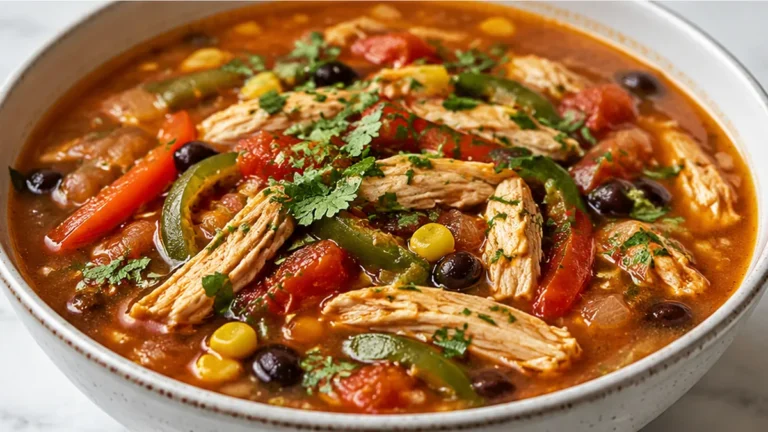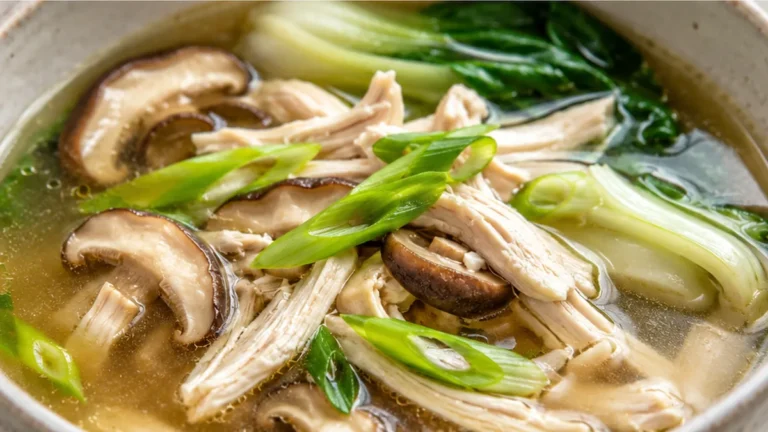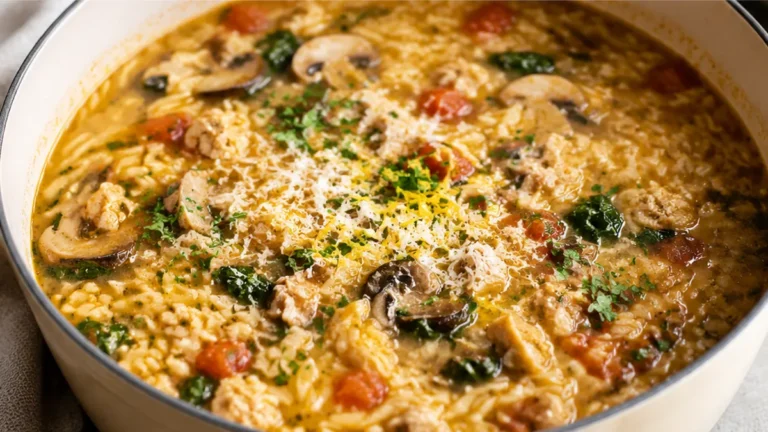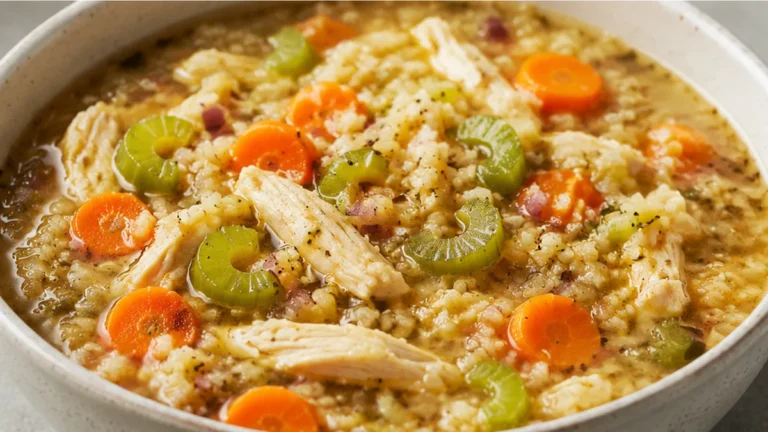
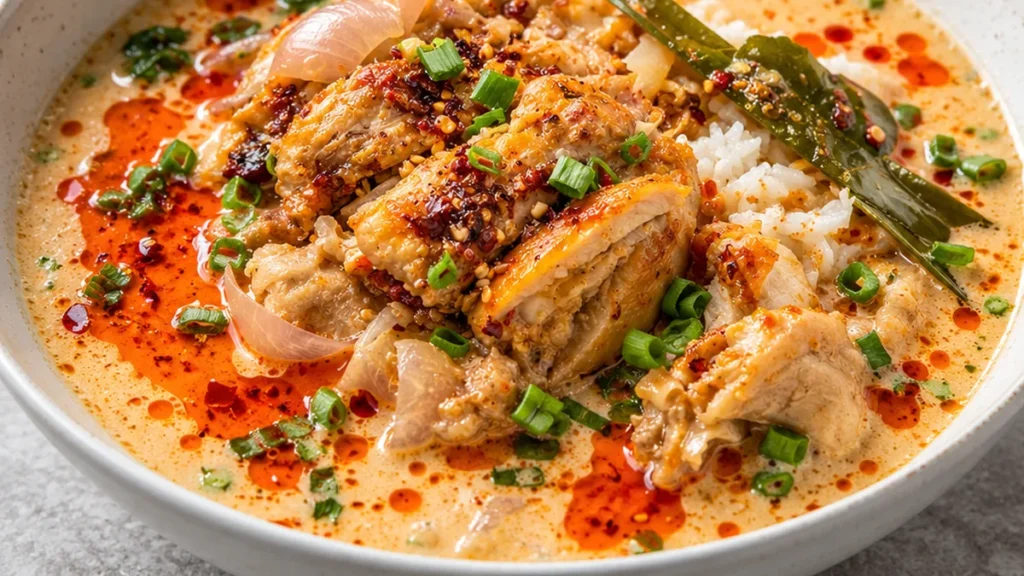
This recipe for zesty lemongrass chicken in coconut combines tender chicken with aromatic lemongrass and coconut milk. It’s a simple yet flavorful dish.
Key takeaways
- Bruise lemongrass to release essential oils for maximum flavor.
- Maintain a gentle simmer for a stable coconut milk emulsion.
- Adjust seasoning with fish sauce or lime for depth.
- Use chicken thighs for a richer texture.

Zesty Lemongrass Chicken in Coconut Soup!
Ingredients
Instructions
- In a bowl, combine the chicken thighs, crushed pepper, grated garlic, and ginger. Mix well.
- Add the grated lemongrass, chilli oil, soy sauce, red chilli sauce, lemon juice, and honey to the bowl. Stir until everything is well coated.
- Let the chicken marinate for at least 30 minutes to absorb all the flavors.
- Heat a pan over medium heat and cook the marinated chicken until golden brown and cooked through, about 6-8 minutes on each side.
- Once cooked, serve the chicken in a bowl topped with coconut soup and garnish with fresh herbs.
- Enjoy your zesty and aromatic Lemongrass Chicken with Coconut Soup!
Understanding the Role of Lemongrass in Flavor Development
Lemongrass is a key ingredient that imparts a unique citrusy flavor profile to this dish. The essential oils in lemongrass, particularly citral, contribute to its zesty aroma and taste. When using lemongrass, it’s crucial to bruise the stalks to release these oils effectively. Aim for a rough chop or gently pound the stalks before adding them to the soup, as this enhances the infusion of flavor. The ideal temperature for simmering the soup should be around 85-90°C (185-194°F) to prevent the lemongrass from becoming bitter.
Emulsion: The Key to a Creamy Coconut Soup
The emulsion of coconut milk with the broth is vital for achieving a creamy texture. To ensure a stable emulsion, add the coconut milk gradually while stirring. The ideal ratio of coconut milk to broth is approximately 1:2, which balances richness and lightness. If the soup separates, it may be due to rapid boiling or adding the coconut milk too quickly. Maintain a gentle simmer to promote a cohesive blend.
Common Issues with Coconut Soup and Their Solutions
- Issue: Soup is too watery.
- Cause: Insufficient coconut milk or broth ratio.
- Fix: Add more coconut milk to thicken and enrich the flavor.
- Issue: Overly bitter flavor.
- Cause: Overcooked lemongrass or other aromatics.
- Fix: Reduce cooking time and ensure lemongrass is bruised but not burnt.
- Issue: Lack of depth in flavor.
- Cause: Insufficient seasoning or aromatics.
- Fix: Adjust with fish sauce, lime juice, or fresh herbs to enhance complexity.
Ingredient Substitutions and Their Impact
- Substitution: Thai basil for cilantro.
- Expected Result: A more aromatic, slightly sweet flavor profile.
- Substitution: Chicken thighs instead of breasts.
- Expected Result: A richer, more succulent texture due to higher fat content.
- Substitution: Vegetable broth for chicken broth.
- Expected Result: A lighter, vegetarian-friendly option, but may lack depth compared to chicken broth.
Unique Characteristics of This Dish
This zesty lemongrass chicken in coconut soup stands out due to its balanced combination of heat, acidity, and sweetness. The use of fresh lemongrass and a variety of aromatics creates a complex flavor profile that is often difficult to replicate in other coconut-based soups. Unlike traditional coconut soups that may rely heavily on creaminess, this recipe emphasizes a bright and zesty experience, making it refreshing and satisfying.
How to Prepare Zesty Lemongrass Chicken in Advance
Preparing your zesty lemongrass chicken in advance can enhance the flavors and save time on busy days. Marinating the chicken in a mixture of lemongrass, garlic, and lime juice for at least 2 hours or overnight in the refrigerator allows the flavors to penetrate deeply. When ready to cook, simply add the marinated chicken to the coconut soup. This method not only intensifies the flavor but also results in a more tender chicken. If you plan to make a large batch, consider cooking the chicken separately and adding it to the soup just before serving to maintain its texture.
Understanding the Impact of Cooking Equipment on Flavor
The type of cooking equipment you use can significantly affect the outcome of your zesty lemongrass chicken in coconut soup. For instance, using a heavy-bottomed pot or Dutch oven allows for better heat distribution, preventing hotspots that could scorch the coconut milk. If you’re using a non-stick pan, be cautious with the heat level, as high temperatures can cause the coconut milk to separate. Additionally, using a blender for pureeing the soup ensures a smooth consistency, while an immersion blender provides convenience without transferring hot liquids. Always monitor the cooking temperature to maintain a gentle simmer, which is crucial for the flavors to meld without curdling the coconut milk.
Scaling the Recipe for Larger Gatherings
Scaling your zesty lemongrass chicken in coconut soup for larger gatherings requires careful consideration of ingredient ratios and cooking times. When doubling or tripling the recipe, maintain the same proportions of ingredients to preserve flavor balance. However, be mindful that larger quantities may require longer cooking times to ensure even heating. Use a larger pot to accommodate the increased volume, and stir more frequently to prevent sticking. Additionally, taste the soup as you scale up to adjust seasoning, particularly salt and acidity, as larger batches may dilute flavors.
Seasonal Variations and Ingredient Quality Considerations
The quality of ingredients can greatly influence the final taste of your zesty lemongrass chicken in coconut soup. Fresh lemongrass, for instance, should be firm and fragrant; if it’s wilted or dry, it may not impart the desired flavor. Seasonal variations can also affect the dish; using fresh, in-season vegetables like zucchini or bell peppers can enhance the soup’s texture and nutrition. In colder months, consider adding heartier vegetables such as carrots or sweet potatoes for a comforting twist. Always aim for high-quality coconut milk, as its richness is key to achieving a creamy texture. Look for brands that contain minimal additives for the best results.
How to Store Leftover Zesty Lemongrass Chicken in Coconut Soup
Proper storage of leftover zesty lemongrass chicken in coconut soup is essential to maintain its flavor and texture. Allow the soup to cool to room temperature before transferring it to an airtight container. It can be refrigerated for up to 3-4 days. For longer storage, consider freezing the soup in portions. When freezing, use freezer-safe containers or bags, leaving some space for expansion. The soup can be frozen for up to 3 months. To reheat, thaw in the refrigerator overnight and gently warm on the stove over low heat, stirring regularly to prevent separation of the coconut milk.
Scaling the Recipe for Larger Gatherings
Scaling the zesty lemongrass chicken in coconut soup recipe can be straightforward, but certain considerations are vital for maintaining flavor and texture. When increasing the quantities, ensure that the ratios of lemongrass, ginger, and garlic remain consistent to preserve the dish’s signature flavor profile. For example, if doubling the recipe, use twice the amount of each ingredient, but be cautious with salt and seasoning; it’s often better to add these incrementally to taste. Additionally, larger batches may require longer cooking times, so monitor the soup closely to ensure the chicken is cooked through and the flavors meld properly.
Choosing the Right Equipment for Optimal Flavor
The choice of cooking equipment can significantly influence the outcome of zesty lemongrass chicken in coconut soup. A heavy-bottomed pot or Dutch oven is ideal, as it distributes heat evenly and prevents scorching. If using a non-stick pot, ensure it is of high quality to avoid any chemical reactions with the coconut milk. Additionally, using a lid while simmering helps to trap steam, which enriches the flavors. A blender can also be beneficial if you prefer a smoother texture; however, blending should be done in batches to avoid overflow. The right equipment not only enhances the cooking process but also impacts the final taste and consistency of the dish.
Understanding the Role of Coconut Milk in Flavor and Texture
Coconut milk is a crucial component in the zesty lemongrass chicken in coconut soup, contributing both flavor and creaminess. The fat content in coconut milk, typically ranging from 17-24%, helps create a rich and velvety texture. This fat also acts as a carrier for the aromatic flavors of lemongrass and other spices, enhancing the overall taste experience. When heating coconut milk, it’s essential to keep the temperature moderate (around 80-90°C or 175-194°F) to prevent it from separating or curdling. If the coconut milk is overheated, the emulsion can break, leading to an undesirable grainy texture. For the best results, consider using full-fat coconut milk for a creamier soup.
How to Achieve the Perfect Balance of Zest and Heat
The combination of zesty flavors and heat is central to the appeal of this dish. Lemongrass provides a unique citrusy zest that can be enhanced with the right amount of heat from chili peppers or ginger. For optimal flavor balance, consider using fresh ingredients rather than dried ones, as they offer a more vibrant taste. When adding heat, start with a small amount and gradually increase, tasting as you go. This method allows you to control the spice level without overwhelming the dish. The ideal ratio for a balanced flavor profile is approximately 1 tablespoon of minced lemongrass to 1 teaspoon of fresh chili, but this can be adjusted based on personal preference. Remember, the goal is to complement the zesty notes without masking them.
Pro tips
Pro tip: Best served immediately while hot!
Frequently asked questions
Can I use dried lemongrass instead of fresh?
While dried lemongrass can be used, it lacks the vibrant flavor and aroma of fresh lemongrass. If using dried, opt for about one tablespoon, but be aware that the infusion time may need to be extended to extract sufficient flavor.
How can I make this soup spicier?
To add heat, consider incorporating sliced fresh chilies or a dash of chili paste during cooking. Adjust the amount based on your heat preference, but start with a small amount and increase gradually to avoid overpowering the other flavors.
Is it possible to make this soup vegetarian?
Yes, you can make a vegetarian version by substituting chicken with tofu or mushrooms and using vegetable broth instead of chicken broth. This will create a lighter dish while still maintaining the core flavors of the soup.
How do I store leftovers of this soup?
Store leftovers in an airtight container in the refrigerator for up to 3 days. To reheat, gently warm on the stovetop over low heat to prevent separation of the coconut milk. Avoid boiling, as this can alter the texture.
More from Chicken Soups →