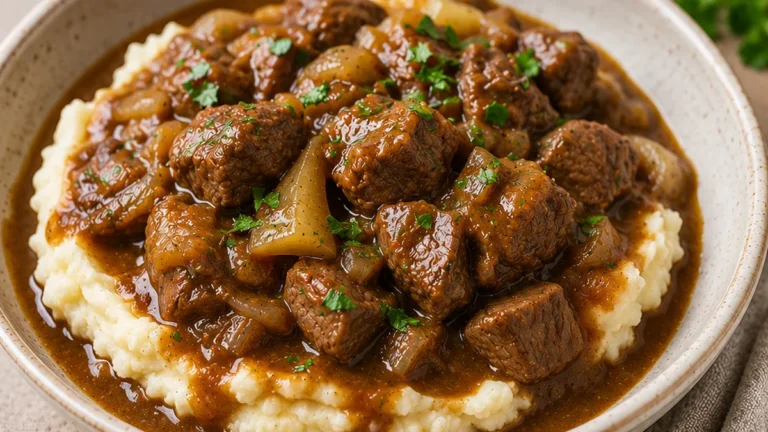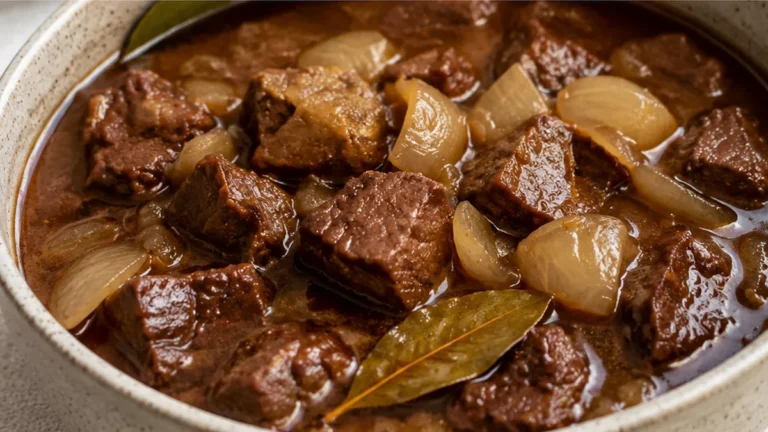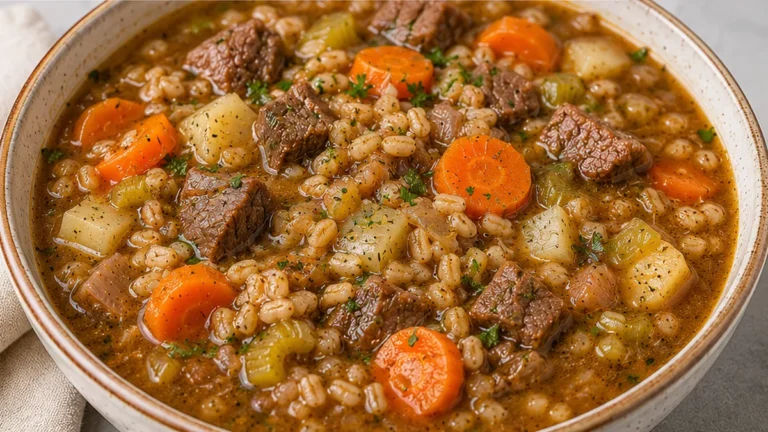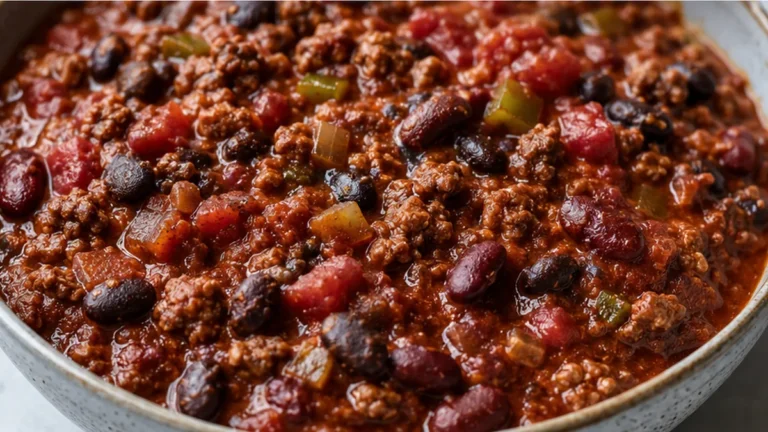

Cowboy soup is the ultimate comfort food, a hearty one-pot wonder that brings together tender ground beef, hearty potatoes, carrots, and green beans in a rich broth. This recipe is designed for simplicity, ensuring a delicious meal with minimal fuss, perfect for busy weeknights or a cozy gathering. The beauty of cowboy soup lies in its robust flavors and satisfying textures. This cowboy soup recipe focuses on building deep flavor from simple ingredients. We layer aromatics, brown the beef properly, and simmer everything until the vegetables are tender and the broth is rich. It’s a dish that feels both rustic and refined, embodying the spirit of a hearty meal meant to be shared.
Key takeaways
- Use 80/20 ground beef for optimal flavor and richness.
- Cut vegetables uniformly for even cooking and texture.
- Cook tomato paste before adding diced tomatoes for enhanced flavor.
- Simmer uncovered to reduce excess liquid and thicken the soup.
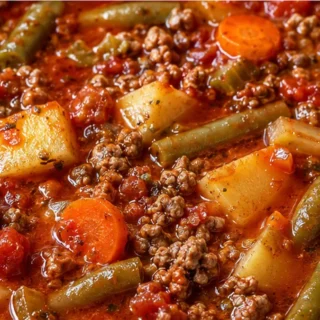
Cowboy Soup: Hearty Comfort Food
Ingredients
- 2 tablespoons olive oil
- 1 medium yellow onion (diced)
- 3 stalks celery (diced)
- 4 cloves garlic (minced)
- 2 lbs ground beef
- 1 lb yukon gold potatoes (cut into 1-inch pieces)
- 4 carrots (peeled and sliced into rounds)
- 1 (14.5-ounce) can green beans (drained)
- 3 tablespoons tomato paste
- 1 (14.5-ounce) can diced tomatoes (with juices)
Instructions
- Heat the olive oil in a large dutch oven over medium-high heat for 2 minutes.
- Add the onion and celery, cooking for 2-3 minutes until soft and translucent.
- Stir in the garlic and cook for another 1-2 minutes until fragrant.
- Add the ground beef and brown until no pink remains, about 5-7 minutes.
- Stir in the remaining ingredients and 4 cups of beef broth until combined.
- Bring to a boil, then reduce heat to medium-low, cover, and simmer for 14-16 minutes.
- Taste and adjust seasoning as needed before serving hot.
Notes
Choosing the Right Ground Beef for Cowboy Soup
The choice of ground beef significantly impacts the flavor and texture of your cowboy soup. Opt for ground beef with a fat content of around 80/20. This ratio provides enough fat to enhance the soup’s richness without making it overly greasy. Cooking the beef for about 5-7 minutes over medium-high heat ensures proper browning, which adds depth through the Maillard reaction.
Achieving the Perfect Vegetable Texture
To ensure the vegetables in your cowboy soup are tender yet retain some bite, cut them into uniform sizes. For instance, Yukon gold potatoes should be cut into 1-inch pieces, which typically take about 15-20 minutes to cook through in simmering broth. Carrots, sliced into rounds, will take roughly the same time. Adding the green beans towards the end of cooking preserves their vibrant color and crunch.
Balancing Flavors with Tomato Paste and Diced Tomatoes
Tomato paste is a concentrated source of umami and acidity, enhancing the overall flavor profile of cowboy soup. Use 3 tablespoons, cooking it for 2-3 minutes with the sautéed onions and garlic to develop its sweetness before adding the diced tomatoes. The 14.5-ounce can of diced tomatoes, including juices, adds moisture and balances the richness of the beef.
Dealing with Excess Liquid in Cowboy Soup
Should your cowboy soup turn out too watery, it may be due to the moisture content of the vegetables or the cooking method. To fix this, simmer the soup uncovered for an additional 10-15 minutes to allow excess liquid to evaporate. Alternatively, you can thicken the soup by adding a cornstarch slurry (1 tablespoon cornstarch mixed with 2 tablespoons cold water) and cooking for another 5 minutes.
Why Cowboy Soup Stands Out Among Other Soups
Unlike many other soups, cowboy soup is hearty enough to be a meal on its own, thanks to the combination of protein from the beef, carbohydrates from the potatoes, and fiber from the vegetables. This dish is not only filling but also versatile, allowing for various ingredient swaps while maintaining its comforting essence.
Understanding the Impact of Ingredient Quality on Cowboy Soup
The quality of ingredients significantly affects the overall taste and texture of cowboy soup. Fresh, in-season vegetables not only enhance the flavor but also provide better nutritional value. For instance, using organic Yukon Gold potatoes can yield a creamier texture due to their higher starch content. Similarly, fresh garlic and onions will impart a more robust flavor compared to their dried counterparts. The ground beef should ideally be 80/20 for optimal fat content, as this ratio allows for a rich flavor without being overly greasy. When selecting canned goods, look for low-sodium options to control salt levels while still enjoying the convenience of canned tomatoes and green beans.
Scaling Up or Down: Adjusting Portions for Cowboy Soup
Scaling the recipe for cowboy soup can be straightforward, but it requires careful attention to ingredient ratios and cooking times. When doubling the recipe, it’s important to increase the cooking time slightly, as the larger volume may require additional simmering to develop flavors fully. Conversely, if halving the recipe, be cautious with spices and seasoning, as they can become overpowering. A good rule of thumb is to maintain the same proportion of ingredients, but adjust seasonings gradually, tasting as you go. This ensures that the balance of flavors remains intact regardless of the batch size.
Choosing the Right Equipment for Cooking Cowboy Soup
The equipment used can influence the cooking process and final outcome of cowboy soup. A heavy-bottomed pot or Dutch oven is ideal, as it distributes heat evenly and prevents sticking. When browning the ground beef, ensure the pot is hot enough to achieve a good sear, which adds depth to the flavor through the Maillard reaction. If using an Instant Pot or slow cooker, adjust the cooking times accordingly; for instance, pressure cooking can dramatically reduce the time needed to develop flavors, while slow cooking allows for more gradual flavor melding. Always consider the size of your pot; overcrowding can lead to uneven cooking.
Optimal Serving Suggestions for Cowboy Soup
Cowboy soup is versatile and can be served in various ways. For a heartier meal, serve it with crusty bread or cornbread to soak up the rich broth. Consider garnishing with fresh herbs like parsley or cilantro to brighten the dish. A dollop of sour cream or a sprinkle of cheese can add creaminess and flavor contrast. Pairing cowboy soup with a simple salad can also lighten the meal, providing a refreshing crunch. Additionally, it can be a great base for a more elaborate dish; try topping it with tortilla strips for added texture or serving it over rice for a filling option.
Understanding the Make-Ahead Benefits of Cowboy Soup
Cowboy soup is an excellent option for meal prep due to its robust flavors that deepen over time. When you prepare this dish in advance, the ingredients have the opportunity to meld, enhancing the overall taste. The soup can be made up to three days ahead, stored in an airtight container in the refrigerator. To reheat, warm it gently on the stove over medium heat, adding a splash of broth or water if it thickens. For longer storage, consider freezing portions. Cowboy soup freezes well and can last up to three months. When reheating from frozen, allow it to thaw overnight in the refrigerator and then heat slowly to preserve texture.
Optimizing Batch Size for Cowboy Soup
Scaling the recipe for cowboy soup can be straightforward, but it’s essential to consider the balance of flavors and cooking times. Doubling the recipe is generally easy, as the ingredients will still cook evenly in a large pot. However, if you increase the batch size significantly, such as tripling it, you may need to adjust the cooking time. Larger quantities can take longer to reach a simmer, so monitor the heat closely and stir occasionally to prevent sticking. Additionally, consider using a larger pot or Dutch oven to accommodate the increased volume without overcrowding, which can affect the cooking process.
Choosing the Right Equipment for Serving and Pairing
The serving vessel for cowboy soup can influence the dining experience. A deep, wide bowl allows for easy scooping and showcases the hearty ingredients. Consider pairing the soup with rustic bread or cornbread, which complements its rich flavors. For serving, a ladle with a long handle is ideal, ensuring you can serve without mess. Additionally, using a slow cooker or Instant Pot can enhance the flavors if you plan to serve it later. These appliances allow for low and slow cooking, which can deepen the flavor profile and tenderize the ingredients further, making it a perfect choice for gatherings or meal prep.
Understanding the Best Way to Store Cowboy Soup
Proper storage of cowboy soup can significantly affect its flavor and texture. After cooking, allow the soup to cool to room temperature before transferring it to airtight containers. This helps prevent condensation, which can lead to soggy vegetables. Store the soup in the refrigerator for up to 3-4 days. For longer storage, freeze the soup in portions, ideally within 2 hours of cooking. When freezing, leave some space in the container for expansion as the liquid freezes. To reheat, thaw in the refrigerator overnight and warm gently on the stove over low heat, stirring occasionally to maintain an even temperature. Reheating too quickly can cause the vegetables to become mushy.
How to Scale Cowboy Soup for Large Gatherings
Scaling up cowboy soup for larger gatherings requires attention to ingredient ratios and cooking times. The base recipe serves about 6-8 people, but it can easily be doubled or tripled. When scaling, maintain the same proportions of ingredients to ensure consistent flavor. For example, if doubling the recipe, use 4 tablespoons of olive oil, 2 medium onions, and so on. Cooking times may increase slightly, especially if using a larger pot. Monitor the soup closely, as a larger volume may take longer to reach a simmer. Additionally, ensure your pot is large enough to accommodate the increased volume without overflowing. For serving, consider using a ladle for easy portioning, and provide crusty bread or cornbread for a hearty meal.
Pro tips
- Use Yukon Gold potatoes for a creamy texture that holds its shape.
- Don’t skip browning the ground beef well; this adds crucial flavor.
- Taste and adjust seasonings at the end – salt, pepper, and a pinch of red pepper flakes make a big difference.
- For a thicker soup, mash some of the potatoes against the side of the pot during the last few minutes of simmering.
Enjoy this delicious cowboy soup as a complete meal or serve with your favorite crusty bread for dipping. Bon appétit!
Frequently asked questions
Can I use a different type of meat in cowboy soup?
Yes, you can substitute ground turkey, chicken, or even plant-based meat alternatives. Just note that leaner meats may result in a less rich flavor, so consider adding a bit of olive oil for added moisture.
How long does cowboy soup last in the refrigerator?
Properly stored in an airtight container, cowboy soup can last in the refrigerator for 3-4 days. Reheat on the stove over medium heat until warmed through.
Can I freeze cowboy soup?
Yes, cowboy soup freezes well. Allow it to cool completely before transferring to freezer-safe containers. It can be frozen for up to 3 months. Thaw in the refrigerator overnight before reheating.
What can I serve with cowboy soup?
Cowboy soup pairs wonderfully with crusty bread, cornbread, or a fresh green salad. These sides complement the hearty flavors while adding freshness to the meal.
More from Beef Soups & Stews →