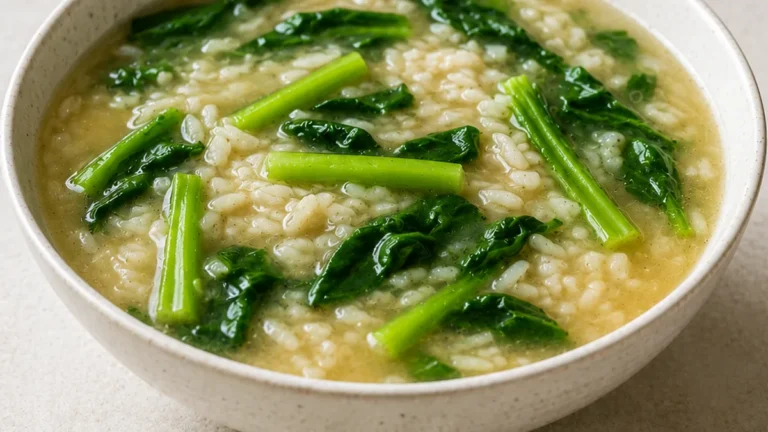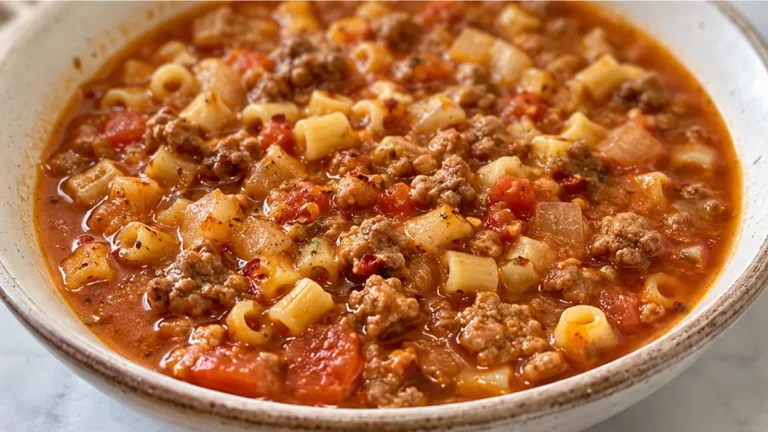
Is chicken stock the same as chicken broth? Short answer: no, but they are close cousins. Chicken stock is simmered mostly from bones. Chicken broth is simmered mostly from meat. That one swap changes the body, the salt, and the jobs each liquid is good at. On the shelf, though, the labels blur together, and that confuses a lot of cooks at the store.
I have spent years at the stove making both, and this question comes up every time someone watches me cook. So let me settle it the way I would at my own range: what each one is, why the difference matters, and when to grab which. You will also get the real numbers, from sodium to simmer time to how long each keeps, so you can decide fast.
The short answer in one minute
Stock and broth are both savory liquids made by simmering chicken in water with aromatics. The split comes from what you simmer and for how long.
- Stock leans on bones. The long simmer pulls collagen out of the bones, and that gives stock body. Classic stock is left unsalted.
- Broth leans on meat. It cooks for less time, tastes lighter, and is usually seasoned with salt so you can sip it straight.
Here is the part that trips people up. In the United States, the words are not strictly regulated. According to the USDA Food Standards and Labeling Policy Book, there is no hard legal line between “stock” and “broth,” so a carton marked one way can be almost identical to the other. The label is a loose promise, not a legal recipe. The difference you can taste comes from the cooking, not the wording.
Stock vs broth: the real differences
When I line them up side by side, five things separate them. Keep this table in mind and you will never be confused at the store again.
| Feature | Chicken stock | Chicken broth |
|---|---|---|
| Main ingredient | Bones (plus some meat scraps) | Meat (plus maybe a few bones) |
| Simmer time | About 4 to 6 hours | About 1 to 2 hours |
| Body and texture | Rich; gels when chilled | Lighter; usually stays liquid |
| Salt | Traditionally unsalted | Seasoned to taste |
| Best at | Building body in sauces and braises | Sipping and quick soups |
None of these are absolute. Plenty of boxed products break the rules. But as a working model, “bones and time make stock; meat and salt make broth” holds up at the stove.
Why the bones change everything
Bones are loaded with collagen, a connective protein. When you hold a pot at a low simmer for hours, that collagen goes through a slow chemical change called hydrolysis and turns into gelatin. Gelatin is what coats your spoon and gives a sauce that glossy, full feel on the tongue.
Meat has far less collagen than bones, so a quick meat broth never builds the same body. That is the whole game. The longer bone simmer is not about flavor alone. It is about pulling gelatin into the pot.
There is a kitchen test I trust more than any label. Chill a cup of your finished liquid overnight. If it sets into a soft, jiggly gel, like loose gelatin dessert, you made a true stock with real body. If it stays runny, you have a broth. The first time I saw my own stock wobble in the cup, I finally understood why my pan sauces had been falling flat. I had been using thin broth and expecting body it could never give.
The overlooked detail here is the cut of bone. Knuckles, feet, and wing tips carry the most collagen, so a handful of chicken feet will gel a pot that backs and necks alone never could. Butchers often give them away. That is the cheapest upgrade to homemade stock I know.
Salt and sodium: the numbers
This is where homemade and store-bought really part ways, and it matters if you watch your sodium. The numbers below come from product Nutrition Facts panels and USDA FoodData Central. One cup equals 240 ml.
| Type (per 1 cup / 240 ml) | Sodium |
|---|---|
| Regular store-bought broth | About 860 mg (range roughly 700 to 900 mg) |
| “Low-sodium” store-bought | About 140 mg |
| Homemade (lightly salted) | About 340 mg |
| Classic unsalted stock | Near 0 mg added |
Look at the spread. A regular carton can carry roughly six times the sodium of a low-sodium one. That is the strongest reason I make stock at home and salt the finished dish instead. When I control the salt at the end, I can reduce a stock by half to concentrate flavor without turning it into a salt lick. You cannot do that safely with a salted broth, because reducing it doubles the salt right along with the flavor.
When to use stock vs broth
Think about the job, not the name. Here is the cheat sheet I use without thinking now.
| What you are cooking | Reach for | Why |
|---|---|---|
| Pan sauce, gravy, jus | Stock | Gelatin gives gloss and body |
| Braises and pot roast | Stock | Long cooking rewards real body |
| Risotto, finishing | Stock | Coats each grain richly |
| Sipping cup when sick | Broth | Light, salted, ready to drink |
| Quick weeknight soup | Broth | Already seasoned, fast |
| Cooking rice or pasta in liquid | Broth | Less gelatin, cleaner starch cooking |
That last row surprises people. Cooks often reach for broth, not stock, when they cook rice or pasta directly in the liquid. Too much gelatin can interfere with how the starch takes up water, leaving grains a touch gummy. A lighter broth lets the rice cook clean. For a deep, glossy sauce, you want the opposite, with all the body stock can give.
Can you substitute one for the other?
Yes, almost always. You just have to adjust for the two things that differ: salt and body. Here is how I swap without a recipe change ruining dinner.
- Using broth in place of stock: expect thinner body, so the sauce may not coat as well. Cut back on any added salt, because broth already carries plenty. If you need more richness, simmer to reduce it slightly, tasting as you go.
- Using stock in place of broth: the dish will be richer and less salty. Season at the end to make up for it. For a sipping cup, add salt until it tastes balanced.
You can also stretch a small amount of homemade stock by topping the pot up with water and seasoning to taste. A little real stock plus water often beats a full measure of bland boxed broth, because the gelatin still carries through.
Common mistakes I see
After years of teaching this at the stove, the same few slip-ups come up again and again. Avoid these and your soups jump a level.
- Boiling instead of simmering. A hard boil makes stock cloudy and greasy. Hold a bare simmer and your stock stays clear.
- Salting a stock early. If you plan to reduce it, salt at the end. Early salt concentrates as the pot shrinks.
- Skipping the skim. The gray foam that rises in the first 20 minutes is protein scum. Skim it for a cleaner taste and look.
- Treating broth and stock as identical and over-salting. Broth is already seasoned. Taste before you add more.
- Letting a hot pot sit out to cool. That parks it in the bacteria danger zone. Chill it fast, as I explain below.
What the food science actually says
It helps to know why these rules exist, not just that they do. The body in stock comes down to one molecule. Collagen is a triple-stranded protein wound tight inside bone and connective tissue. Heat and water slowly unwind those strands, and according to standard food science, that conversion to gelatin runs best at a low, steady simmer over hours, not at a violent boil for a short time. Boil it hard and you shear the proteins and emulsify the fat, which is exactly why a hard-boiled pot turns cloudy and greasy.
Salt is the other lever, and it is mostly about control. Classic kitchens keep stock unsalted on purpose, because a stock is a building block. You might reduce it by half for a sauce, and according to USDA nutrition data, the sodium in a salted broth concentrates right along with the flavor when you do that. Keep the base unsalted and you stay in charge of the final seasoning. That single principle, salt at the end, is the difference between a sauce that tastes balanced and one that tastes like the sea.
There is one more detail most guides skip. Acid matters. A small splash of vinegar or a squeeze of tomato in the pot helps break down collagen and pull a little extra mineral content from the bones. You will not taste the vinegar in the finished stock, but you will feel the body it helps build. I keep a bottle of plain white vinegar by the stove just for this.
Where bone broth and bouillon fit
Two more names show up on shelves and menus, and they fold neatly into the same logic.
Bone broth is, despite the name, closer to a long stock. Cooks simmer bones for 12 to 24 hours, often with a splash of vinegar to help draw minerals and collagen out. The result is extra rich and very gelatin-heavy. Harvard Health takes a measured view on the health claims around bone broth: it is a nourishing food, but it is not a cure-all. I treat it as a luxurious stock, nothing more mystical than that.
Bouillon cubes, base, and concentrate are dehydrated broth in a small package. They are handy when you have no homemade liquid on hand. The catch is sodium. A single prepared cup can run very high, sometimes well above a regular carton, so taste before you add more salt to the pot.
How to make each at home
Both start the same way: cover your chicken parts with cold water, add aromatics, and bring the pot up slowly. The single most important rule is temperature.
Simmer, never boil. Hold the pot at 180 to 205°F (82 to 96°C). At that range you see small bubbles breaking gently at the surface, not a rolling churn. A hard boil emulsifies fat and breaks up solids, which turns your stock cloudy and greasy. A gentle simmer keeps it clear. I learned this the messy way, walking away from a boiling pot and coming back to a murky, fatty mess I had to start over.
For stock
- Use a chicken carcass, backs, wings, and feet if you can get them. Feet are pure collagen.
- Cover with cold water. Bring up slowly and skim the gray foam in the first 20 minutes.
- Add onion, carrot, celery, a bay leaf, and peppercorns. Hold a bare simmer for 4 to 6 hours.
- Leave the salt out. Strain, then cool fast.
For broth
- Use bone-in chicken with plenty of meat, such as thighs.
- Cover, bring to a simmer, skim, and add the same aromatics.
- Simmer 1 to 2 hours, until the meat is tender and the liquid tastes savory.
- Season with salt to taste, since broth is meant to be enjoyed as is.
If you want a printable homemade version with weights and yields, my step-by-step homemade stock recipe walks through the same method with beef bones, and the timing carries straight over to chicken. You can browse more building blocks in the broth and noodle soups collection, or see how a finished broth carries a bowl in my vegetable ramen.
Storing it safely
This is the part most “what’s the difference” articles skip, and it is the part that keeps you from getting sick. Stock and broth are low-acid, protein-rich liquids, which means bacteria love them if you are careless.
Cool the pot quickly. The USDA Food Safety and Inspection Service calls 40 to 140°F (4 to 60°C) the danger zone, where bacteria multiply fastest. Their guidance is to bring the liquid from 140°F down to 70°F within 2 hours, then from 70°F to 40°F within 4 more hours. I speed this up by setting the pot in a sink of ice water and stirring, or by splitting it into shallow containers so it chills faster.
Once it is cold:
- Refrigerator: keep cooled, strained stock or broth about 4 days. The USDA and FDA storage charts back this window.
- Freezer: freeze for 2 to 3 months for the best quality. It stays safe longer, but flavor fades after that.
I freeze stock in a muffin tin, then pop the pucks into a bag. Each one is a tidy portion for a pan sauce, and I never have to thaw a whole quart for one recipe.
FAQ
Is chicken stock just unsalted chicken broth?
Not quite. It is true that stock is usually unsalted while broth is seasoned, but the bigger difference is the bones. Stock gets its body from gelatin pulled out of bones over a long simmer. Adding salt to a thin broth will not give it that body.
Can I use chicken broth instead of stock in a recipe?
Yes. The dish will have a little less body and a little more salt. Hold back on added salt and, if you want more richness, simmer the broth down slightly before using it.
Why did my homemade stock turn to jelly in the fridge?
That is a good sign. The wobble is gelatin from the bones setting up in the cold. It melts back to liquid the moment you heat it, and it means your stock is rich.
Which one is healthier?
Homemade wins on sodium control either way. A regular store-bought broth can hold about 860 mg of sodium per cup, while homemade runs closer to 340 mg and a classic stock has almost none until you season the final dish. If you watch your salt, make it yourself or buy the low-sodium version near 140 mg per cup.
Is bone broth the same as stock?
Bone broth is essentially a long, extra-rich stock, simmered 12 to 24 hours. It carries even more gelatin. The marketing makes it sound like a different thing, but in the pot it behaves like a concentrated stock.
Can I freeze chicken stock and broth?
Yes, and you should. Both freeze well for 2 to 3 months. Freeze in small portions so you can grab exactly what a recipe needs without thawing the whole batch.
The bottom line
Chicken stock and chicken broth are not the same, even though store labels treat them loosely. Stock comes from bones, simmers 4 to 6 hours, sets to a gel, and stays unsalted so you can build sauces and braises on it. Broth comes from meat, simmers 1 to 2 hours, stays light and seasoned, and is ready to sip or to carry a quick soup. Learn the gel test, watch the sodium, and keep both chilled within the safe window, and you will reach for the right one every time. Once the difference clicked for me, my soups and sauces stopped being hit or miss, and yours will too.