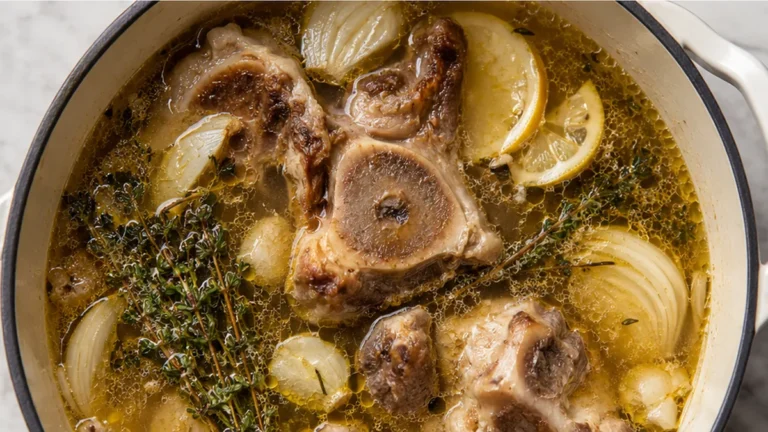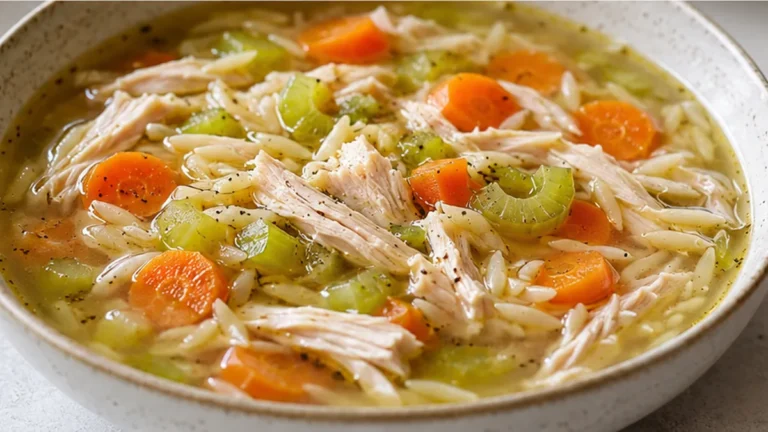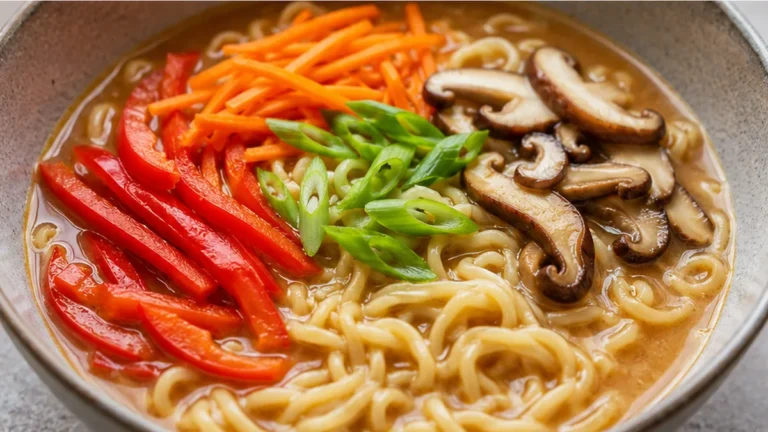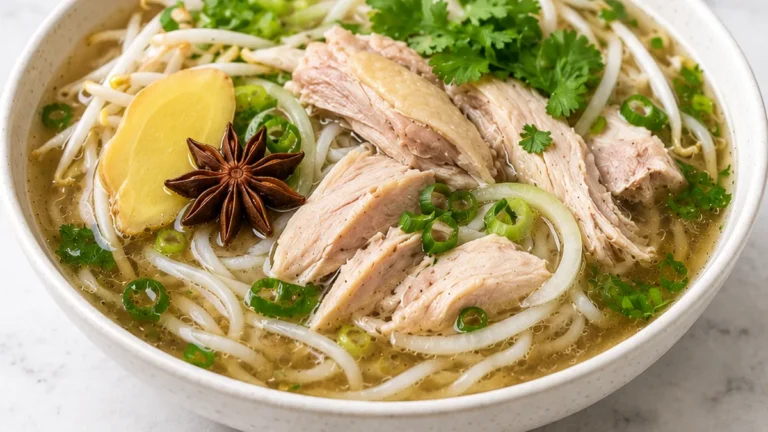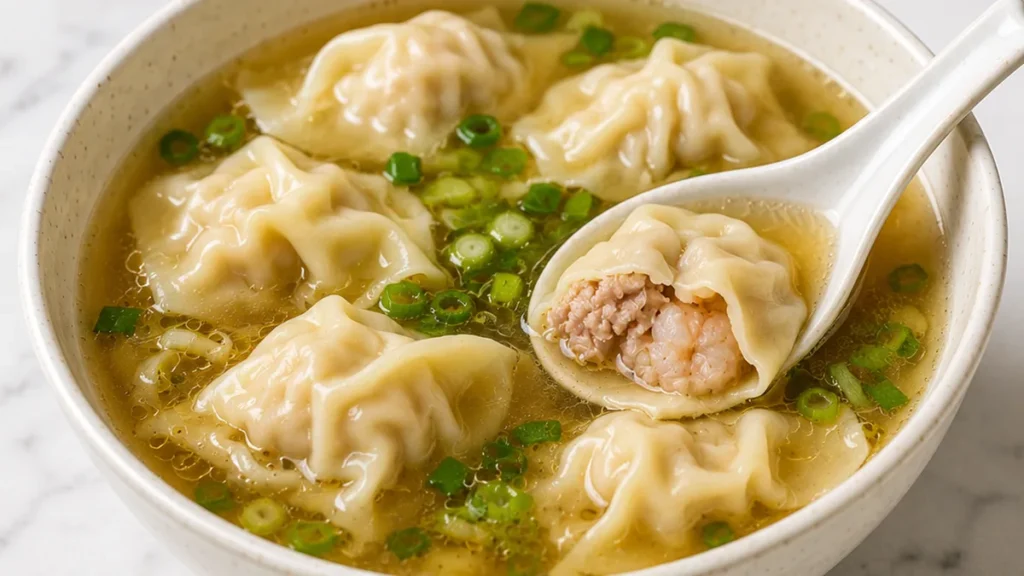
Wonton soup is a beloved dish in Asian cuisine, known for its comforting flavors and delightful textures. This recipe combines tender pork and shrimp wrapped in delicate wonton wrappers, all served in a rich chicken broth. Perfect for sharing or enjoying solo, this dish brings warmth to any cold evening. Prepare to impress your family and friends with this delicious, homemade wonton soup that’s worth making!
Key takeaways
- The key to delicious wonton soup is a well-mixed, cohesive filling and a gently simmered broth.
- Proper sealing of wontons prevents them from bursting.
- Avoid overcrowding the pot and boiling vigorously to maintain broth clarity.
- Experiment with substitutions for a personalized touch.
Ultimate Wonton Soup: A Comfort in Every Sip
Ingredients
- 50-60 wonton wrappers
- 200 g lean pork mince
- 200 g peeled prawns, roughly chopped
- 1 tbsp ginger, finely grated
- 2 shallots, finely chopped
- 1 tbsp light soy sauce
- 2 tbsp Chinese cooking wine
- 1/2 tsp salt
- 2 tbsp toasted sesame oil
- 3 cups chicken broth
Instructions
- Wontons: Combine pork mince, chopped prawns, grated ginger, chopped shallots, soy sauce, cooking wine, salt, and sesame oil in a bowl. Mash with a potato masher until fairly smooth, about 20 mashes, leaving some small chunks.
- Wrapping: Lay wonton wrappers on a clean surface. Place about 1-2 teaspoons of filling onto the center of each wrapper. Work in batches.
- Seal Wontons: Brush two edges of a wonton wrapper with water. Fold the wrapper to seal, pressing out any air. For a classic shape, brush one corner with water and bring the other two corners together, pressing to seal.
- Store Wontons: Place wrapped wontons in a container with a lid as you work to prevent them from drying out.
- Cook Wontons: Bring a large pot of water to a rolling boil. Carefully add the wontons and cook for approximately 4 minutes, or until they float to the surface.
- Serve: Remove cooked wontons with a slotted spoon and place them directly into serving bowls. Ladle hot chicken broth over the wontons and serve immediately.
Notes
– Use fresh wrappers for a better texture.
– Make a double batch and freeze for quick meals later.
– Add leafy greens in the broth for added nutrition and flavor. Nutrition information is an estimate, calculated automatically. Values vary with brands, substitutions and portion sizes.
The technique that makes it
The soul of a truly exceptional wonton soup lies in two key areas: the filling and the broth. For the filling, the magic happens through proper emulsification and binding. Combining the pork mince, chopped prawns, grated ginger, chopped shallots, soy sauce, Chinese cooking wine, salt, and sesame oil requires a specific mixing technique. You want to vigorously mix the ingredients in one direction. This process, often referred to as ‘beating’ the filling, aligns the protein strands in the pork and prawns, creating a cohesive, springy texture rather than a crumbly one. The prawns, when roughly chopped, provide delightful bursts of seafood flavor and a contrasting texture to the pork. The ginger and shallots are crucial aromatics that cut through the richness of the meat and seafood, adding layers of subtle spice and sweetness. Proper seasoning at this stage is vital, as the filling will impart flavor to the broth as it cooks. The wonton wrappers themselves are simple vessels, but their preparation is key. Ensure they are kept moist under a damp cloth while you work to prevent them from drying out and cracking. When sealing the wontons, a firm but gentle pinch is needed to ensure they don’t burst during cooking, but not so tight as to make the wrapper tough. The broth, in this case a good quality chicken broth, acts as the canvas. Gently simmering the wontons in the broth allows their flavors to meld beautifully without making the broth cloudy or the wontons mushy. Avoid boiling vigorously, which can tear the wrappers and disperse the filling.
Troubleshooting
- Wontons bursting: This often happens if the filling is too wet, or if the wontons are overcooked. Ensure your filling has a good balance of moisture and isn’t excessively watery. Seal the wontons firmly but without excessive force, and simmer them gently in the broth rather than boiling them rapidly.
- Filling is mushy or crumbly: Insufficient mixing of the filling ingredients is the usual culprit. Remember to mix the filling vigorously in one direction until it becomes sticky and cohesive. This aligns the proteins for a better texture.
- Broth is cloudy: Overcrowding the pot or boiling the wontons too aggressively can cause the wrappers to break and release starch, clouding the broth. Cook wontons in batches if necessary and maintain a gentle simmer.
- Wontons sticking together: If wontons are placed too close together in the pot or not stirred gently after adding, they can stick. Add wontons to the simmering broth one by one, and give them a gentle stir shortly after they float to prevent them from clumping.
Substitutions
- Pork mince: Ground chicken or turkey can be used for a lighter filling. The texture might be slightly less rich.
- Prawns: Finely chopped scallops or firm white fish (like cod or snapper) can substitute for prawns, offering a different but complementary seafood note.
- Chinese cooking wine: Dry sherry or even a splash of sake can be used. For an alcohol-free option, a little extra soy sauce with a tiny pinch of sugar can mimic some of the complexity.
- Chicken broth: A good quality vegetable broth or dashi broth can be used for a lighter, perhaps more umami-forward base, depending on the dashi type. Ensure it’s well-seasoned.
Pro tips
- Ensure the filling is well-mixed for the best flavor.
- Use fresh wrappers for a better texture.
- Make a double batch and freeze for quick meals later.
- Add leafy greens in the broth for added nutrition and flavor.
Try this wonton soup recipe today and feel the warmth of each bite! Perfect to share with loved ones or enjoy on a cozy night in.
More from Broths & Noodle Soups →
Frequently asked questions
How do I prevent wonton wrappers from drying out?
Keep the wrappers covered with a damp (not wet) kitchen towel or plastic wrap while you are preparing and filling them. This prevents the edges from drying and becoming brittle, which can cause them to crack when you try to seal the wontons.
Can I make the wonton filling ahead of time?
Yes, you can prepare the filling up to 24 hours in advance. Store it covered in the refrigerator. It’s best to use it within this timeframe to ensure the ingredients remain fresh and the texture is optimal for wrapping.
How long should I cook the wontons?
Wontons typically cook in about 3-5 minutes once they float to the surface of the simmering broth. They are done when the wrappers are translucent and slightly tender, and the filling is cooked through. Avoid overcooking.
Can I freeze uncooked wontons?
Yes, uncooked wontons freeze very well. Place them in a single layer on a baking sheet lined with parchment paper and freeze until solid. Then, transfer them to a freezer bag. Cook directly from frozen, adding a few extra minutes to the cooking time.