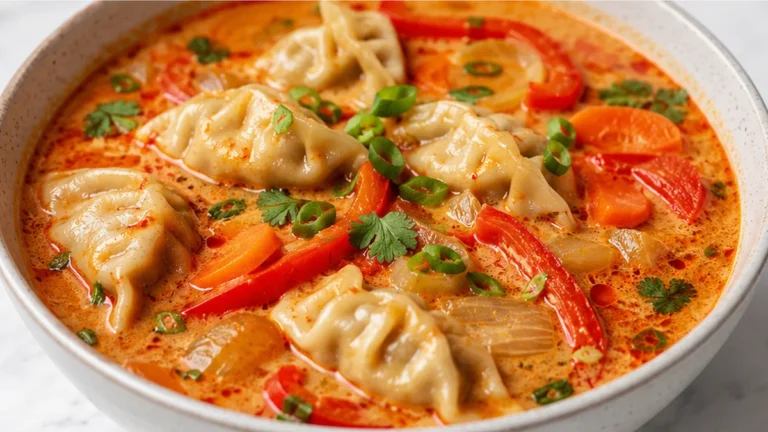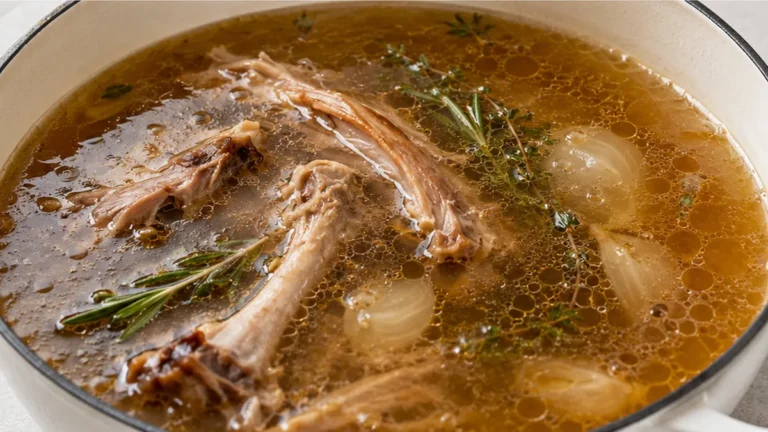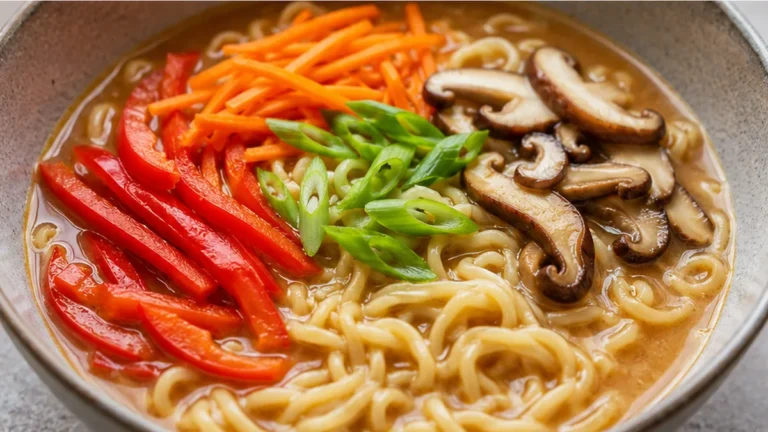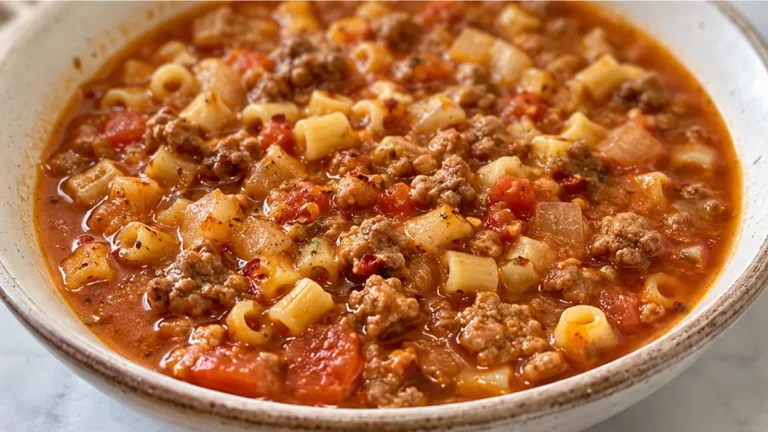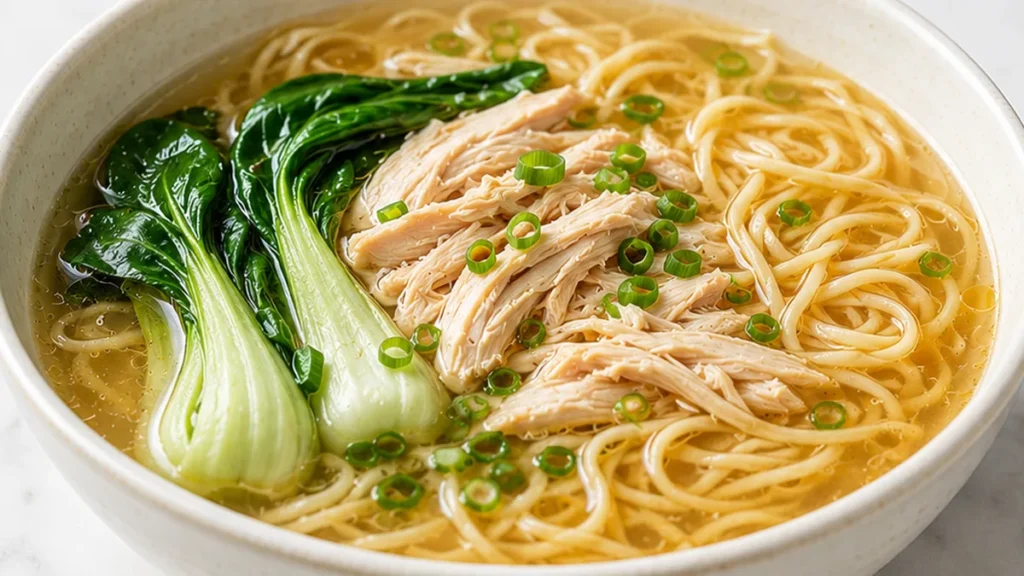
This Chinese Noodle Soup is your new go-to for a quick and deeply satisfying meal. Forget takeout, you can recreate this comforting bowl of deliciousness at home in under 30 minutes. Featuring tender noodles, savory broth infused with garlic and ginger, and your choice of protein and vegetables, this noodle soup recipe is incredibly versatile and always a hit.
Key takeaways
- Build a flavorful broth by gently simmering aromatics with stock and seasoning.
- Cook fresh egg noodles briefly to avoid mushiness.
- Add vegetables like bok choy at the very end for a slight crunch.
- Adjust soy sauce and sugar to balance savory and sweet notes.
Comforting Chinese Noodle Soup Recipe
Ingredients
- 3 cups chicken stock/broth, low sodium
- 2 garlic cloves
- 1.5 cm / 1/2″ ginger piece
- 1 1/2 tbsp light soy sauce
- 2 tsp sugar
- 1 1/2 tbsp chinese cooking wine
- 1/4-1 /2 tsp sesame oil, toasted
- 180 g / 6oz fresh egg noodles
- 2 large bok choy
- 1 cup shredded cooked chicken
Instructions
- Place chicken broth, garlic cloves, and ginger slices in a saucepan. Bring to a simmer over medium heat, then reduce heat to low and let infuse for 8-10 minutes.
- Meanwhile, cook fresh egg noodles according to package directions.
- Cut bok choy in half (if small/medium) or quarters (if large). Wash thoroughly.
- Add bok choy to the simmering broth for the last 1 minute of cooking, or cook in the noodle boiling water.
- Remove and discard the garlic cloves and ginger slices from the broth.
- Assemble bowls: place cooked noodles, shredded chicken, and bok choy. Ladle hot broth over the top. Serve immediately.
Notes
– Feel free to substitute other vegetables like mushrooms, spinach, or bean sprouts.
– Add a dash of chili oil for a spicy kick! Nutrition information is an estimate, calculated automatically. Values vary with brands, substitutions and portion sizes.
The technique that makes it
The foundation of this comforting noodle soup lies in building a flavorful broth and properly cooking the noodles and vegetables. The broth starts with a good quality chicken stock, which provides a savory base. Aromatics like garlic and ginger are crucial for depth. Gently simmering these with the stock allows their flavors to meld without becoming harsh. The soy sauce adds umami and saltiness, while the sugar balances the savory notes. Chinese cooking wine (Shaoxing wine is ideal) contributes a complex, fermented aroma and flavor that is characteristic of many Chinese dishes. A touch of toasted sesame oil at the end provides a nutty fragrance and richness. The key to the broth’s success is to let it simmer gently to infuse the flavors, rather than boiling vigorously, which can make the aromatics bitter.
Fresh egg noodles are preferred here for their tender texture and ability to absorb the broth. They cook very quickly, often in just 2-3 minutes. Overcooking them will result in a mushy texture. The bok choy should be added towards the end of the noodle cooking time, or even after the noodles are cooked, to retain its slight crunch and bright green color. Separating the stems and leaves can allow for more precise cooking, adding the tougher stems a minute before the delicate leaves.
The shredded cooked chicken is primarily for added protein and texture, and it should be warmed through by the hot broth. The goal is a harmonious balance of savory, slightly sweet, and aromatic elements, with tender noodles and crisp-tender vegetables.
Troubleshooting
- Broth tastes bland: Ensure you’ve used enough soy sauce and sugar. Taste and adjust seasoning before serving. A pinch more sugar can often brighten the overall flavor profile.
- Noodles are mushy: This usually means they were overcooked. Fresh egg noodles cook very rapidly. Try cooking them for a shorter duration, or shock them in cold water immediately after draining to stop the cooking process.
- Vegetables are too soft: Add the bok choy in stages, or only for the last minute of cooking. If stems are tough, add them first, then leaves.
- Broth is cloudy: If you simmered the aromatics too vigorously or for too long without straining, the broth might become cloudy. For a clearer broth, gently simmer aromatics and strain them out before adding other ingredients.
Substitutions
- Chicken stock/broth: Vegetable broth can be used for a vegetarian option, though the flavor will be less rich. Mushroom broth can add a deeper umami.
- Fresh egg noodles: Dried egg noodles can be substituted, but cooking times will vary significantly. Follow package directions carefully. Other noodle types like ramen or udon can also work, but will alter the classic flavor profile.
- Chinese cooking wine: Dry sherry or sake can be used as a substitute, though the authentic flavor will be slightly different. A splash of white wine with a tiny pinch of sugar can also work in a pinch.
- Bok choy: Napa cabbage or spinach can be used. Napa cabbage will require a similar cooking time to bok choy stems, while spinach will cook much faster, similar to bok choy leaves.
Pro tips
- For extra depth, use homemade chicken stock if possible.
- Feel free to substitute other vegetables like mushrooms, spinach, or bean sprouts.
- Add a dash of chili oil for a spicy kick!
Enjoy this heartwarming bowl of Chinese Noodle Soup anytime you need a quick and delicious meal. It’s simple, adaptable, and always satisfying.
More from Broths & Noodle Soups →
Frequently asked questions
What kind of noodles are best for Chinese noodle soup?
For a comforting Chinese noodle soup, wheat-based noodles like lo mein, ramen, or even udon work wonderfully. Fresh noodles will cook faster, while dried noodles offer convenience. Ensure they are cooked al dente to prevent them from becoming mushy in the hot broth. Adjust cooking time based on the noodle’s thickness and type.
Can I make the broth for Chinese noodle soup ahead of time?
Yes, the broth can absolutely be made ahead. In fact, making it a day in advance allows the flavors to meld beautifully. Store it in an airtight container in the refrigerator. Reheat gently on the stovetop before adding your noodles and other fresh ingredients for serving.
How do I store leftover Chinese noodle soup?
To store leftovers, it’s best to separate the broth from the noodles and toppings. Store the broth in an airtight container in the fridge for up to 3 days. Cooked noodles can become soggy, so it’s ideal to cook them fresh when reheating, or store them separately if you plan on leftovers.
What are good toppings for Chinese noodle soup?
Complement your soup with sliced green onions, fresh cilantro, a drizzle of sesame oil, or a dash of chili oil for heat. Other popular additions include soft-boiled eggs, cooked chicken or pork, bok choy, or bean sprouts. These add texture, flavor, and visual appeal to the dish.