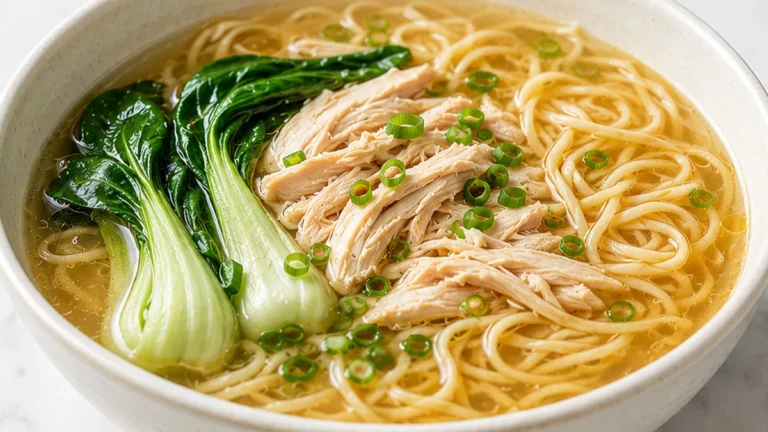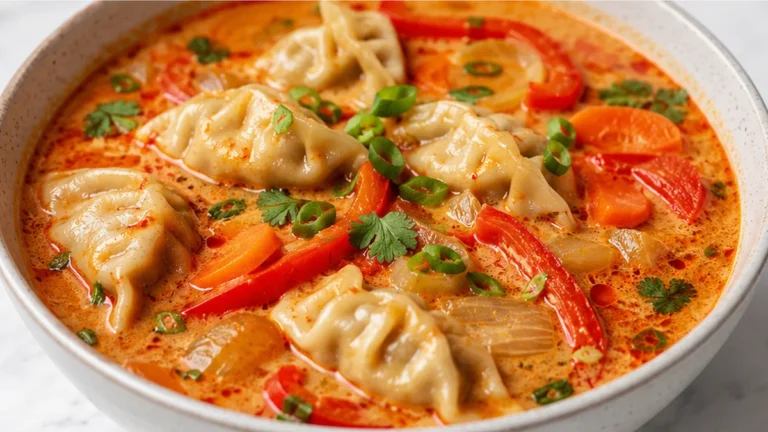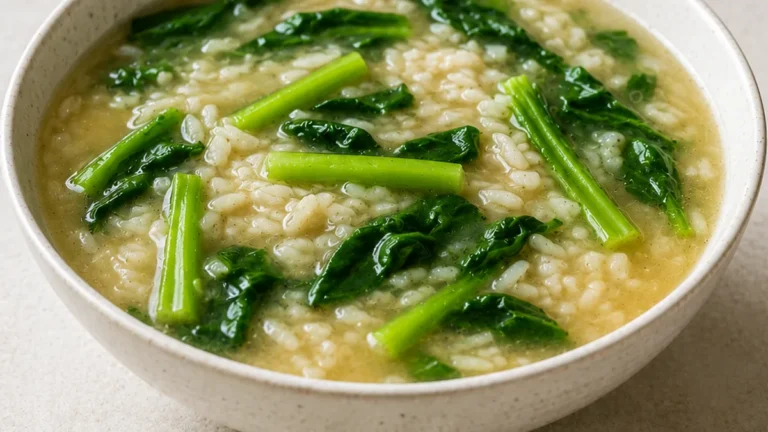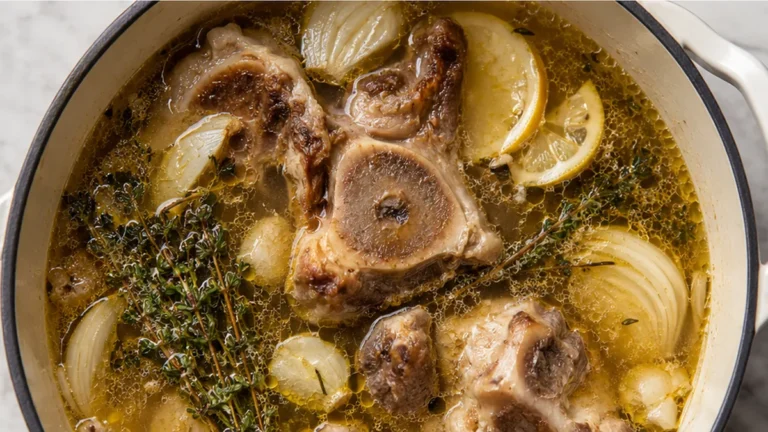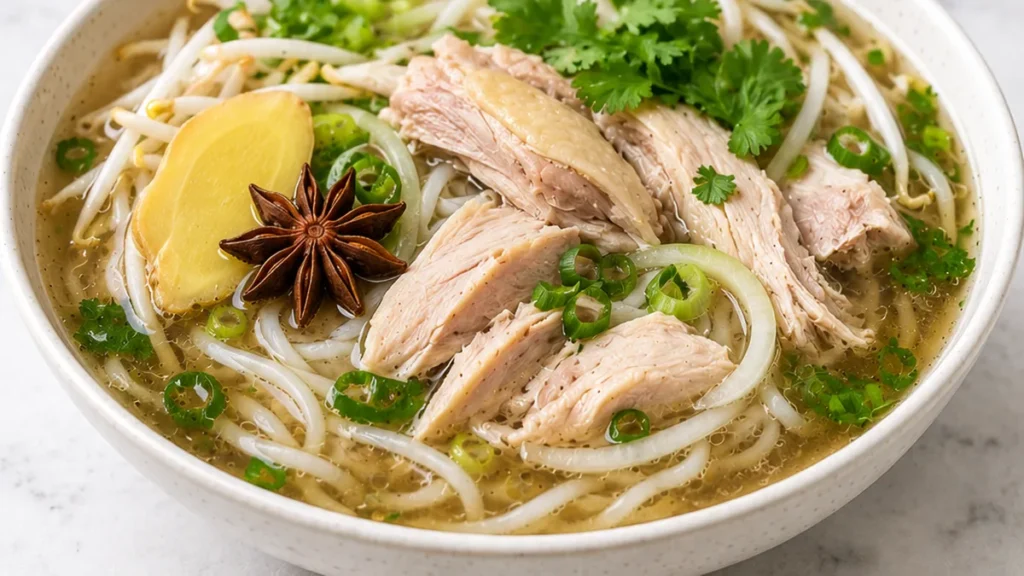
Embark on a dish with this authentic Vietnamese Chicken Pho (Pho Ga) recipe, a dish renowned for its deeply aromatic broth and comforting qualities. Perfect for a chilly evening or whenever you crave a nourishing, flavorful meal, this recipe breaks down the steps to create a truly restaurant-worthy Pho at home. This Pho Ga is designed for home cooks, focusing on building layers of flavor through gentle simmering and the careful selection of spices. It’s a celebration of Vietnamese cuisine, offering a lighter yet incredibly satisfying alternative to beef Pho, equally beloved and easy to master.
Key takeaways
- Charring aromatics unlocks deep flavor.
- Gentle simmering and skimming are key for a clear broth.
- Toast spices to enhance their aroma.
- Adjust simmering time and skimming for broth clarity and taste.
Vietnamese Chicken Pho: Ultimate Comfort Bowl!
Ingredients
- 1 tbsp vegetable or canola oil
- 2 onions, halved (skin on)
- 5 cm/ 2″ piece of ginger, sliced 0.75cm / 1/3″ thick (unpeeled)
- 2 litres / 2 quarts water
- 1.5 kg / 3 lb chicken thighs, bone in skin on
- 1 small bunch coriander/cilantro
- 5 star anise pods
- 1 cinnamon stick
- 4 cloves
- 2 tsp fennel seeds
Instructions
- Char onions & ginger: Heat 1 tbsp oil in a large pot over high heat. Place ginger and onion halves facedown, leave undisturbed for 2 minutes until they blacken. Turn and leave for another 2 minutes.
- Add broth ingredients: Put charred onions and ginger into the pot with 2 litres of water, 1.5 kg chicken thighs, coriander bunch, star anise, cinnamon stick, cloves, and fennel seeds. Bring to a simmer.
- Gentle simmer: Lower heat to very gentle simmer with lid on, cracked open. Skim off any scum that rises to the surface once or twice during simmering.
- Simmer for 1.5 hours. The broth should develop a rich aroma and flavor.
- Strain broth: Remove chicken and coriander. Strain broth into a clean pot. You should have about 1.5 liters.
- Season broth: Add salt to taste. The broth should be slightly saltier than you prefer.
- Shred chicken: Remove chicken meat from bones, discard bones and skin. Shred the meat.
- Serve: Keep broth warm. Ladle into bowls over noodles, add shredded chicken, and garnish with fresh herbs.
Notes
– Charring the onions and ginger is crucial for depth of flavor. Don’t skip this step!
– Skim the broth regularly to ensure a clear, clean-tasting soup.
– Serve with fresh lime wedges, chili, bean sprouts, and fresh herbs for a customizable experience. Nutrition information is an estimate, calculated automatically. Values vary with brands, substitutions and portion sizes.
The technique that makes it
The soul of a truly exceptional chicken pho lies in its broth. Achieving that deep, aromatic, and clear broth requires a methodical approach to extracting flavor from the aromatics and chicken. First, charring the onions and ginger is crucial. This caramelization process, achieved by dry-roasting or broiling the halved onions (skin on for color and flavor) and sliced ginger until browned and fragrant, unlocks complex, sweet, and smoky notes that form the foundation of the pho’s distinctive taste. The unpeeled ginger, sliced thickly, releases its pungent oils effectively when simmered.
Next, the simmering process for the chicken and aromatics needs careful management. While we want to extract maximum flavor from the bone-in, skin-on chicken thighs for richness, prolonged boiling can lead to a cloudy broth and tough meat. A gentle simmer, rather than a rolling boil, is key. Skimming the scum that rises to the surface during the initial stages of simmering is essential for a clear broth. This protein and impurity residue, if left unchecked, will emulsify into the broth, creating an undesirable cloudy appearance and a less refined flavor. The whole spices – star anise, cinnamon, cloves, and fennel seeds – should be lightly toasted before adding to the broth. This toasting awakens their essential oils, intensifying their fragrance and ensuring they impart their full aromatic potential without becoming bitter. Adding the coriander bunch towards the end of simmering helps to infuse a fresh, herbaceous note without it becoming overpowering.
Troubleshooting
- Cloudy Broth: This is often caused by boiling the chicken too vigorously or not skimming the scum. To fix, reduce the heat to a very gentle simmer immediately and continue to skim diligently. For a clearer finish, you can strain the broth through a fine-mesh sieve lined with cheesecloth.
- Weak Flavor: If the broth lacks depth, it might be due to insufficient simmering time or inadequate charring of aromatics. Extend the simmering time for at least another hour, ensuring the heat is low and steady. Re-toast and add more spices if necessary.
- Bitter Spices: Over-simmering the whole spices can lead to bitterness. Ensure they are toasted lightly and added during the last hour or so of simmering, rather than from the very beginning. Remove them after simmering.
- Greasy Broth: The chicken skin and bones release fat. Skim off excess fat from the surface of the cooled broth before reheating and serving. Chilling the broth makes fat solidification easier for removal.
Substitutions
- Chicken: For a lighter broth, use bone-in, skin-on chicken breasts instead of thighs. The cooking time will be shorter, and the flavor slightly less rich. For a vegetarian option, omit the chicken and use a rich vegetable stock as the base, intensifying the aromatics.
- Aromatics: If you cannot find fresh ginger, use 1 tablespoon of pre-grated ginger, though the flavor will be less nuanced. If onions are unavailable, leeks can offer a milder allium flavor.
- Spices: If star anise is unavailable, a pinch of Chinese five-spice powder can be used sparingly, as it contains star anise along with other spices. Ensure you adjust the quantity to avoid overpowering the broth.
- Herbs: While coriander is traditional, a mix of fresh mint and Thai basil can offer a different, refreshing herbaceous profile in the finished bowl.
Pro tips
- For an even richer broth, you can add a beef soup bone along with the chicken.
- Charring the onions and ginger is crucial for depth of flavor. Don’t skip this step!
- Skim the broth regularly to ensure a clear, clean-tasting soup.
- Serve with fresh lime wedges, chili, bean sprouts, and fresh herbs for a customizable experience.
Enjoy this fragrant and deeply satisfying bowl of Vietnamese Chicken Pho. It’s a taste of tradition that’s surprisingly simple to recreate at home.
More from Broths & Noodle Soups →
Frequently asked questions
Why do I need to char the onions and ginger?
Charring the onions and ginger caramelizes their natural sugars and develops complex, smoky, and slightly sweet notes. This process is fundamental to achieving the deep, rich flavor profile characteristic of authentic pho broth, adding a depth that raw aromatics cannot provide.
How can I ensure my pho broth is clear?
To achieve a clear broth, use a gentle simmer rather than a rolling boil. Diligently skim off any foam or impurities that rise to the surface during the initial cooking stages. Straining the finished broth through a fine-mesh sieve lined with cheesecloth can also help remove any remaining fine particles.
Can I make chicken pho ahead of time?
Yes, the broth can be made a day or two in advance and refrigerated. This allows flavors to meld and makes it easier to skim off solidified fat. Reheat the broth gently before serving and add fresh noodles and toppings.
What is the best way to store leftover pho broth?
Cool the broth completely before storing. Refrigerate in an airtight container for up to 3 days, or freeze in portions for up to 3 months. Freezing in ice cube trays is convenient for smaller amounts.