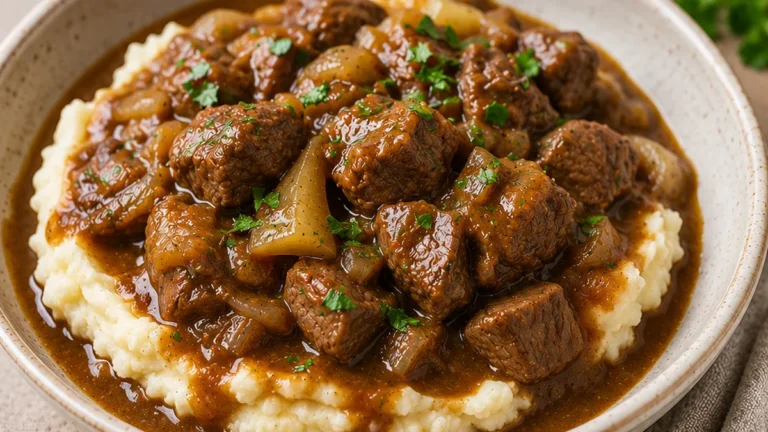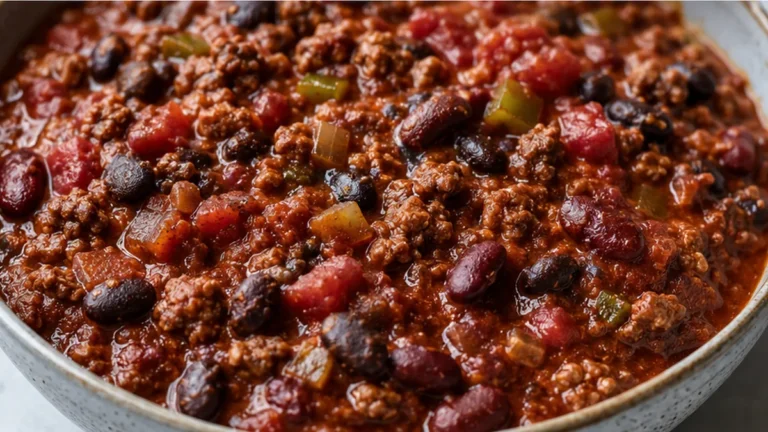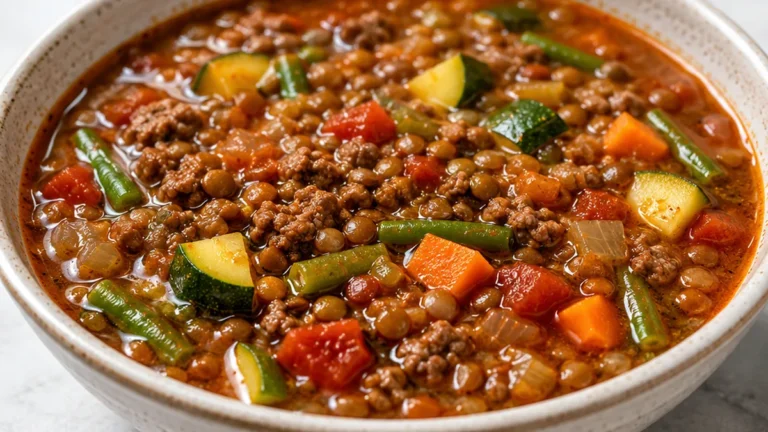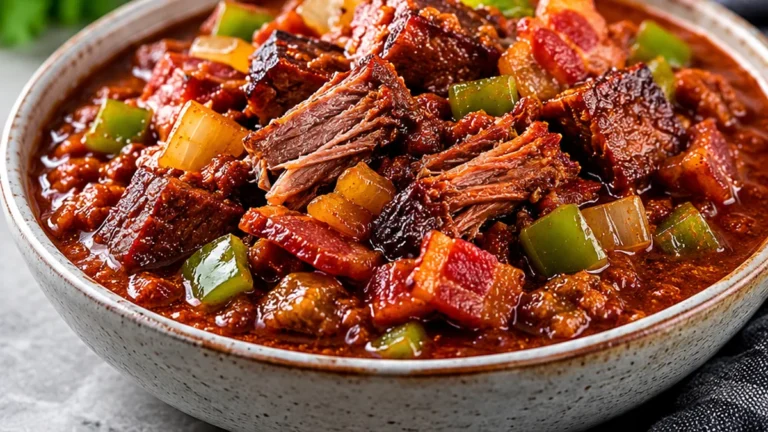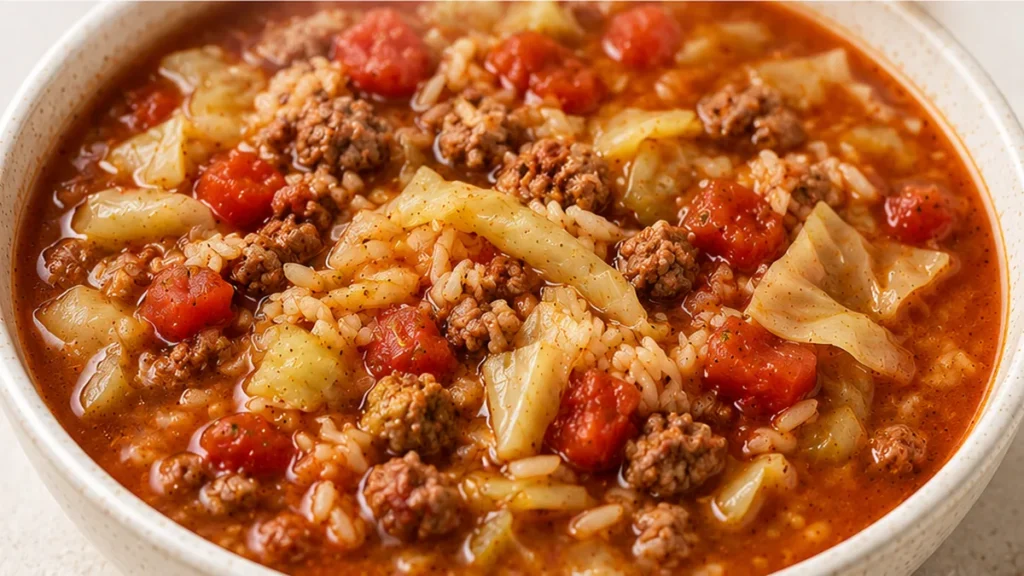
Cabbage roll soup is the ultimate comfort food, delivering all the beloved flavors of traditional cabbage rolls in a much simpler, deconstructed format. This recipe is perfect for those busy weeknights when you crave something wholesome and satisfying but don’t have hours to spend rolling individual cabbage leaves. It’s a hearty, flavorful soup that brings warmth and nostalgia to your dinner table. My first time making cabbage roll soup, I was skeptical if it could truly capture the essence of the classic dish, but the rich tomato base combined with tender cabbage and savory meat absolutely exceeded expectations. This cabbage roll soup recipe quickly became a staple in my home, especially during colder months.
Key takeaways
- Browning the meats and sautéing aromatics builds essential flavor.
- Cook rice directly in the soup for thickening and texture.
- Adjust cabbage cooking time for desired tenderness.
- Properly drain fat to avoid a greasy soup.
Comforting Cabbage Roll Soup: A Hearty Meal!
Ingredients
- 1 large onion (diced)
- 3 cloves garlic (minced)
- 1 pound lean ground beef
- ½ pound lean ground pork
- ¾ cup uncooked long grain rice
- 1 medium head cabbage (chopped, core removed, about 8 cups)
- 28 ounces canned diced tomatoes (with juices)
- 2 tablespoons tomato paste
- 4 cups beef broth
- 1 ½ cups vegetable juice (such as V8)
Instructions
- In a large pot, brown the onion, garlic, pork, and beef over medium-high heat. Drain excess fat.
- Stir in the chopped cabbage and let cook until slightly softened, about 3 minutes.
- Add in the diced tomatoes, tomato paste, beef broth, vegetable juice, uncooked rice, paprika, thyme, Worcestershire sauce, bay leaf, salt, and pepper. Stir well to combine.
- Bring the mixture to a boil, then reduce the heat to medium-low. Cover the pot and let simmer until the rice is fully cooked, approximately 25-30 minutes.
- Remove bay leaf and serve.
- Season with salt and pepper to taste.
Notes
The technique that makes it
The key to a truly comforting and flavorful cabbage roll soup lies in how you build the flavor base and incorporate the ingredients. First, browning the ground beef and pork is crucial. This process, known as the Maillard reaction, develops complex savory notes that will permeate the entire soup. Don’t just cook the meat until it’s no longer pink; aim for a nice, golden-brown crust on at least some of the pieces. Drain off excess fat before proceeding to prevent the soup from becoming greasy.
Next, sautéing the aromatics – the diced onion and minced garlic – in the rendered fat (or a little oil if needed) is essential. This softens them and releases their fragrant compounds, adding another layer of depth. Adding the tomato paste at this stage and cooking it for a minute or two intensifies its flavor, transforming its raw, acidic taste into a richer, more concentrated tomato essence.
The rice is an important textural component. Adding uncooked rice directly to the simmering broth allows it to absorb liquid and cook through, thickening the soup slightly and providing a satisfying bite. Ensure you use long-grain rice, as it holds its shape better than shorter grains, preventing the soup from becoming overly starchy or mushy. The cabbage, when added, should be chopped into bite-sized pieces. It will soften considerably during cooking, but adding it towards the end of the simmering process ensures it retains some of its texture and bright flavor, rather than disintegrating into the broth.
Troubleshooting
- Failure: Soup is bland.
- Fix: Ensure you’ve properly browned the meats and sautéed the aromatics. Taste and adjust seasoning with salt and pepper towards the end of cooking. A pinch of sugar can also balance the acidity of the tomatoes.
- Failure: Rice is mushy or gummy.
- Fix: You may have overcooked the soup after adding the rice, or used too much liquid. Measure your rice and liquid accurately. Avoid stirring excessively once the rice is added, as this can release starches.
- Failure: Cabbage is too tough or too soft.
- Fix: Adjust the simmering time. Add the cabbage earlier for a softer texture, or later for a crisper bite. Ensure cabbage pieces are relatively uniform in size for even cooking.
- Failure: Soup is too greasy.
- Fix: Drain the fat from the browned meats thoroughly before adding other ingredients. You can also skim any excess fat from the surface of the soup before serving.
Substitutions
- Ground Turkey or Chicken: Substitute for ground beef and/or pork for a lighter version. The flavor will be less rich, but still delicious.
- Brown Rice or Wild Rice: Use instead of long-grain white rice. Adjust cooking time as needed; brown and wild rice will require longer simmering.
- Different Broth: Chicken or vegetable broth can be used in place of beef broth. This will alter the depth of flavor but is a viable option.
- Tomato Sauce: Use crushed tomatoes or tomato sauce instead of diced tomatoes. You may need to adjust the liquid balance slightly.
Pro tips
- For best flavor, use a combination of lean ground beef and pork. The pork adds an extra layer of richness. If you prefer, you can use all ground beef, ensuring it’s lean to avoid excessive grease.
- To ensure the meat is safely cooked, brown the ground beef and pork until no pink remains, reaching an internal temperature of 160°F (71°C).
- This cabbage roll soup freezes beautifully. Allow it to cool completely, then portion into airtight containers and freeze for up to 3 months. Thaw overnight in the refrigerator and reheat gently on the stove, adding a splash of beef broth if needed.
This cabbage roll soup offers a comforting, flavorful meal with minimal effort. It’s a dish that truly satisfies and can easily become a regular in your rotation. Enjoy a bowl of homemade warmth tonight!
More from Beef Soups & Stews →
Frequently asked questions
What kind of cabbage works best?
A medium head of green cabbage is ideal for this soup. Its slightly sweet flavor and sturdy texture hold up well during simmering, providing a pleasant bite without becoming overly mushy. Ensure the core is removed and it’s chopped into uniform, bite-sized pieces for even cooking.
Can I make this soup ahead of time?
Yes, cabbage roll soup often tastes even better the next day as the flavors meld. Store it in an airtight container in the refrigerator for up to 3-4 days. Reheat gently on the stovetop, adding a splash of broth or water if it has thickened too much.
How can I make this vegetarian or vegan?
To make it vegetarian, omit the ground meats and use vegetable broth and vegetable juice. You could add extra vegetables like mushrooms or lentils for heartiness. For a vegan version, ensure your broth and vegetable juice are vegan, and consider adding plant-based protein crumbles or beans.
Why is my soup not thickening enough?
The uncooked rice is designed to thicken the soup as it cooks and absorbs liquid. If your soup isn’t thickening, ensure you used the correct amount of uncooked rice and allowed it sufficient time to cook. You can also mash some of the cooked cabbage against the side of the pot to release more starch.