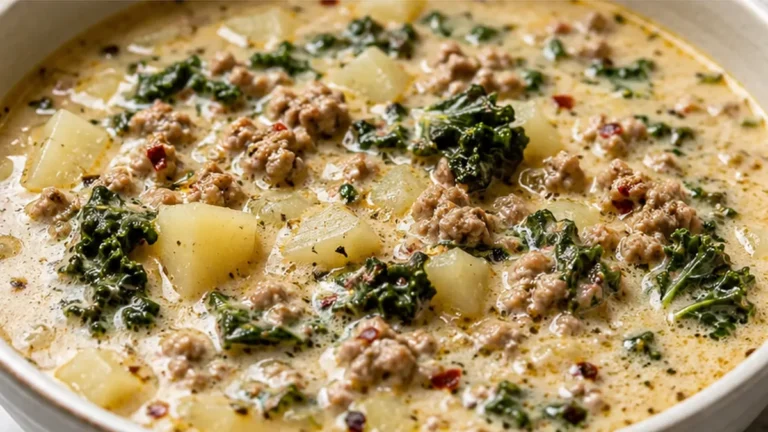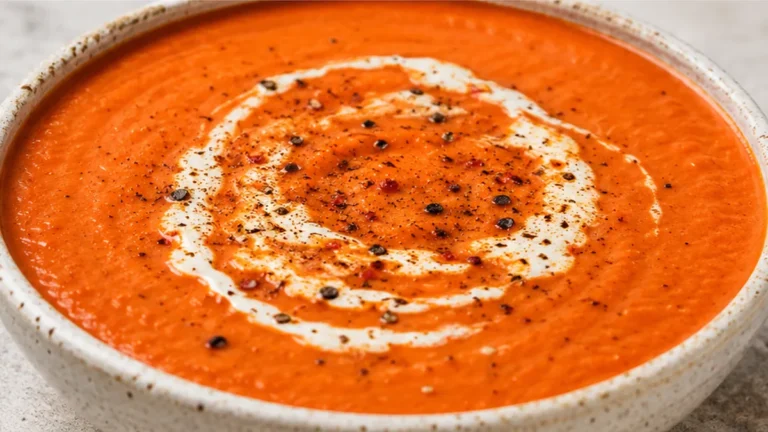
This coconut curry soup is the best recipe for anyone craving a warm, aromatic, and incredibly flavorful meal. It’s surprisingly easy to prepare, making it perfect for a weeknight dinner or a cozy weekend lunch. My first time making coconut curry soup, I was amazed at how quickly the complex flavors developed. The blend of ginger, garlic, and red curry paste creates a bright base that is beautifully mellowed by the creamy coconut milk, proving that gourmet taste doesn’t always require hours in the kitchen.
Key takeaways
- Toast curry paste to deepen flavor.
- Simmer gently to prevent coconut milk separation.
- Balance richness with lime and adjust seasoning with fish sauce.
- Add mushrooms near the end for best texture.

Creamy Coconut Curry Soup: Your New Go-To Comfort!
Ingredients
- 1 lime (divided)
- 2 teaspoons vegetable oil
- 1 medium onion (sliced)
- 2 tablespoons Thai red curry paste
- 1 ½ tablespoons minced fresh ginger
- 4 cloves garlic (minced)
- 4 cups chicken broth
- 14 ounces coconut milk (do not use light or low fat)
- 1 ½ tablespoons fish sauce
- ¾ cup sliced mushrooms
Instructions
- Zest 1 teaspoon of lime zest and set aside. Juice half of the lime (about 1 tablespoon of juice) and reserve the rest for serving.
- Heat vegetable oil in a large saucepan over medium heat. Add sliced onion to the pan and cook until it begins to soften, about 4 minutes.
- Add curry paste, ginger, and garlic and stir until fragrant, about 2 minutes.
- Stir in chicken broth, coconut milk, and fish sauce, scraping up any brown bits. Add mushrooms and lime zest, simmer 15 minutes.
- Add bell pepper and rice noodles* (see note), simmer for 3 minutes more.
- Stir in raw shrimp or cooked chicken, turn off the heat, and cover. Let rest 5-6 minutes or until shrimp is cooked through or chicken is heated through and the noodles have softened.
- Stir in the juiced lime. Serve with fresh herbs and additional lime wedges.
Notes
– To store, cool the coconut curry soup completely before transferring to an airtight container. It keeps well in the refrigerator for up to 3 days or can be frozen for up to 2 months. Reheat gently on the stovetop.
– To make it vegan, swap chicken broth for vegetable broth and omit the fish sauce, adding an extra splash of lime juice or a pinch of salt to taste. Nutrition information is an estimate, calculated automatically. Values vary with brands, substitutions and portion sizes.
The technique that makes it
What makes this creamy coconut curry soup work is the careful layering of flavors and the emulsification of the coconut milk. Starting with sautéing the aromatics – onion, ginger, and garlic – in vegetable oil builds a foundational flavor profile. It’s crucial to cook the onion until softened and translucent, allowing its natural sweetness to develop. Next, toasting the Thai red curry paste for about a minute before adding liquid is a key step. This process awakens the spices and releases their fragrant oils, intensifying the curry flavor and preventing a raw, paste-like taste. When you add the chicken broth and coconut milk, it’s important to bring the mixture to a gentle simmer, not a rolling boil. High heat can cause the coconut milk to separate, resulting in a greasy or curdled texture. Stirring occasionally helps maintain a smooth, creamy consistency. Finally, adding the mushrooms towards the end ensures they cook through without becoming waterlogged, retaining a pleasant bite. The lime juice, added at the very end, provides a bright, acidic counterpoint that cuts through the richness of the coconut milk and balances the savory notes from the fish sauce.
Troubleshooting
- Problem: Soup is too spicy. Fix: Add more coconut milk or a touch of sweetener like honey or sugar to mellow the heat. A squeeze of extra lime can also help balance intense spice.
- Problem: Soup tastes bland or lacks depth. Fix: Stir in more fish sauce, a bit at a time, until the desired savory umami is reached. You can also add a little more curry paste, sautéing it briefly in a separate pan with a tiny bit of oil before adding it to the soup.
- Problem: Coconut milk has separated or looks greasy. Fix: Gently whisk the soup over low heat. If separation is severe, you can try blending a small portion of the soup and stirring it back in, or adding a cornstarch slurry (1 tsp cornstarch mixed with 2 tsp cold water) and simmering for a minute to help emulsify.
- Problem: Soup is too thin. Fix: Simmer uncovered for a few minutes to allow some liquid to evaporate. Alternatively, create a slurry with 1 tablespoon of cornstarch or arrowroot powder mixed with 2 tablespoons of cold water, then stir it into the simmering soup until thickened.
Substitutions
- Vegetable Broth for Chicken Broth: This will create a vegetarian or vegan version of the soup. The flavor will be slightly less rich but still delicious. Ensure your curry paste is also vegan if aiming for a fully vegan dish.
- Soy Sauce or Tamari for Fish Sauce: Use this if you cannot find fish sauce or prefer a non-seafood option. Soy sauce or tamari will provide a salty, umami flavor, though it will lack the distinct oceanic notes of fish sauce. Adjust quantity to taste.
- Other Mushrooms (Shiitake, Cremini): Sliced shiitake or cremini mushrooms can be used instead of or in addition to the sliced mushrooms specified. They offer a slightly different earthy flavor profile.
- Lime Juice from Bottle: While fresh lime juice is preferred for its bright flavor, bottled lime juice can be used in a pinch. It may not provide the same bright tang, so adjust to your preference.
Pro tips
- For optimal safety, if adding raw shrimp, ensure they reach an internal temperature of 145°F (63°C) and turn opaque.
- To store, cool the coconut curry soup completely before transferring to an airtight container. It keeps well in the refrigerator for up to 3 days or can be frozen for up to 2 months. Reheat gently on the stovetop.
- To make it vegan, swap chicken broth for vegetable broth and omit the fish sauce, adding an extra splash of lime juice or a pinch of salt to taste.
This coconut curry soup is a delightful journey for your palate, offering comfort and exotic flavors in every spoonful. Don’t hesitate to customize it with your favorite proteins or vegetables. Enjoy!
More from Creamy Soups & Chowders →
Frequently asked questions
What kind of coconut milk should I use?
Use full-fat canned coconut milk for the creamiest texture and richest flavor. Avoid ‘light’ or ‘low-fat’ versions, as they contain more water and will result in a thinner, less satisfying soup that may be prone to separation.
Can I make this soup vegetarian or vegan?
Yes, absolutely. Substitute the chicken broth with vegetable broth and ensure your Thai red curry paste is vegan. This will create a delicious plant-based version of the coconut curry soup.
How can I adjust the spice level?
The spice level comes primarily from the Thai red curry paste. Start with the amount specified and add more if you prefer it spicier. To cool it down, add more coconut milk, a touch of sweetener, or a bit more lime juice.
Can I add other vegetables to this soup?
Certainly. Bell peppers, spinach, bok choy, or snap peas are excellent additions. Add heartier vegetables like bell peppers earlier with the mushrooms, and leafy greens like spinach towards the very end of cooking.