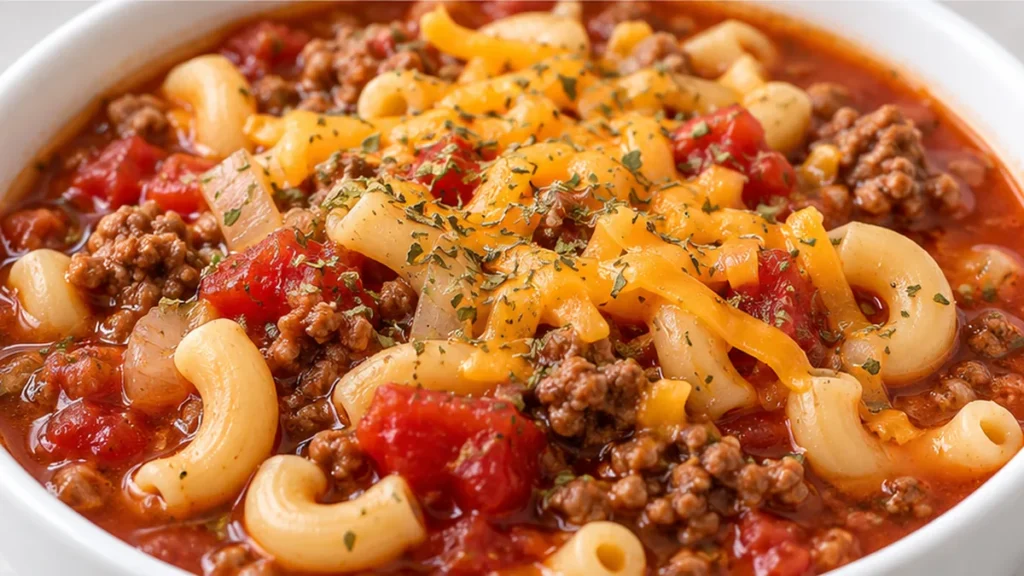
Hearty beef macaroni soup is a comforting dish that combines tender beef and pasta in a savory broth. This recipe is straightforward and satisfying.
Key takeaways
- Choose elbow macaroni for optimal flavor absorption.
- Balance seasoning gradually to enhance the dish.
- Browning the meat adds depth through the Maillard reaction.
- Incorporate vegetables at different stages for varied textures.
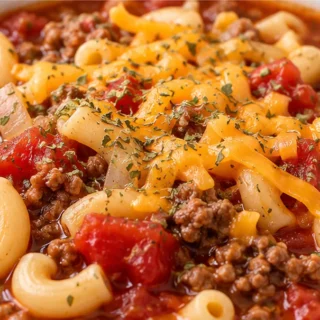
Hearty Beef Macaroni Soup
Ingredients
Instructions
- In a large pot, heat olive oil over medium heat until shimmering.
- Add diced onion and saute for 5-7 minutes until tender and translucent.
- Add minced garlic and cook for 30 seconds until fragrant.
- Stir in ground beef and cook, breaking it apart, until browned, about 8-10 minutes.
- Drain off excess fat from the cooked beef.
- Pour in beef broth, diced tomatoes, and tomato sauce.
- Stir in brown sugar, basil, and oregano, then bring to a simmer.
- Simmer for at least 15 minutes to allow flavors to meld.
Understanding the Role of Pasta in Hearty Beef Macaroni Soup
The choice of pasta is crucial in a hearty beef macaroni soup. Pasta absorbs flavors and contributes to the overall texture of the dish. For instance, elbow macaroni is a classic choice due to its shape, which holds onto the broth and enhances each spoonful. Cooking pasta in the soup rather than separately allows it to absorb the broth, enriching the flavor. Aim for a cooking time of about 8-10 minutes for al dente pasta, which prevents it from becoming mushy.
Balancing Flavors: The Importance of Seasoning
Proper seasoning is essential for achieving a well-rounded flavor in your hearty beef macaroni soup. Start with a base of aromatics like onions and garlic, which should be sautéed until translucent to release their natural sweetness. Incorporating herbs such as thyme and bay leaves during simmering infuses the soup with depth. A general rule is to add salt gradually, tasting as you go, to avoid over-seasoning. Aim for a balance where the beef and vegetables shine without being overshadowed by salt or spices.
Meat Selection and Preparation Techniques
The type of beef used significantly impacts the final dish. Ground beef is commonly used for its convenience and ability to integrate well with the pasta and vegetables. However, using diced chuck or brisket can add a richer flavor and texture. Browning the meat properly is vital; aim for a deep brown color, which develops the Maillard reaction, adding complexity. Cook the beef in batches if necessary to avoid overcrowding the pan, which can lead to steaming rather than browning.
Enhancing Texture with Vegetables
Vegetables not only contribute to the nutritional value but also enhance the texture of hearty beef macaroni soup. Carrots, celery, and bell peppers are traditional choices that provide sweetness and crunch. Cut vegetables into uniform pieces to ensure even cooking. Adding them at different stages of cooking can also vary their texture; for example, adding carrots early will soften them, while adding spinach or peas at the end will keep them vibrant and slightly crisp.
Make-Ahead Strategies for Hearty Beef Macaroni Soup
Preparing hearty beef macaroni soup in advance can save time and enhance flavors. The soup can be made up to two days ahead of serving. To do this, cook the soup as directed, but stop just before adding the pasta. Allow it to cool, then store it in an airtight container in the refrigerator. When ready to serve, reheat the soup on low heat and add the pasta, cooking until al dente. This method allows the flavors to meld while ensuring the pasta remains firm and does not overcook.
Scaling the Recipe for Larger Gatherings
Scaling your hearty beef macaroni soup recipe for larger gatherings is straightforward. For each additional serving, increase the ingredients proportionally. A common ratio is to add 100 grams of beef and 50 grams of macaroni per additional serving. Keep in mind that cooking time may slightly increase, especially for larger batches. Use a larger pot to ensure even cooking, and consider adding a bit more broth to maintain the soup’s consistency.
Choosing the Right Equipment for Optimal Results
The equipment you use can significantly affect the outcome of your hearty beef macaroni soup. A heavy-bottomed pot is ideal for even heat distribution, preventing the meat from burning. A Dutch oven is a great choice for this dish as it retains heat well and allows for browning the beef effectively. If using a pressure cooker, the cooking time can be reduced significantly, but be cautious with the pasta, as it may cook faster than in traditional methods.
Seasonal Variations and Ingredient Quality Impact
The quality and seasonality of ingredients can greatly influence the taste of your hearty beef macaroni soup. In colder months, using root vegetables like carrots and parsnips can add depth and sweetness. In contrast, fresh herbs like basil or parsley can brighten the dish in warmer months. Additionally, using high-quality beef and homemade broth can elevate the soup’s flavor profile, making it richer and more satisfying. Always taste and adjust seasonings based on the freshness of your ingredients.
Understanding the Impact of Ingredient Quality on Flavor
The quality of ingredients plays a crucial role in the flavor profile of hearty beef macaroni soup. High-quality beef, for example, contributes a richer and more robust flavor compared to lower-grade cuts. Opting for grass-fed beef can enhance the umami notes due to its higher fat content and better marbling. Similarly, using fresh vegetables rather than canned can provide a brighter taste and better texture. Herbs and spices must also be fresh to maximize their aromatic properties. Studies suggest that fresh herbs can increase the antioxidant content of dishes, thus enhancing both flavor and health benefits. When selecting pasta, whole grain options can add a nutty flavor and a different texture, making the soup more satisfying. Finally, the broth or stock used is fundamental; homemade stock is often more flavorful than store-bought varieties, which can contain preservatives and sodium that dilute the natural flavors.
Batch Scaling: Adjusting Ingredients for Larger Portions
Scaling the recipe for hearty beef macaroni soup requires careful adjustments to ensure balanced flavors and textures. When increasing the batch size, it’s essential to maintain the same ratios of ingredients to avoid overwhelming the dish with any single flavor. For instance, if doubling the recipe, you should also double the spices, but it may be wise to start with 1.5 times the seasoning and adjust to taste as the soup simmers. The cooking time may also need to be extended; larger quantities take longer to heat through and for flavors to meld. Additionally, consider the size of your cooking vessel; a pot that is too small may lead to uneven cooking or overflow. It’s beneficial to use a large stockpot to allow for proper heat distribution. Keeping these factors in mind will ensure that the scaled-up version maintains the integrity of the original recipe.
Equipment Variations and Their Effects on Cooking
The choice of cooking equipment can significantly influence the final outcome of hearty beef macaroni soup. Using a heavy-bottomed pot or Dutch oven is ideal for even heat distribution, which is crucial for preventing scorching and ensuring that the beef browns properly. A pressure cooker can expedite the cooking process, tenderizing the beef in a fraction of the time while infusing the flavors more deeply. However, it may not achieve the same depth of flavor as a slow-cooked version. Slow cookers provide a convenient option for busy cooks, allowing the soup to develop complex flavors over several hours. When using a slow cooker, it’s advisable to brown the beef and sauté the aromatics beforehand to enhance the overall flavor. Additionally, using an immersion blender to puree part of the soup can create a creamy texture without the need for additional dairy.
Serving Suggestions and Pairing for Enhanced Enjoyment
Serving hearty beef macaroni soup can be enhanced by thoughtful pairings and presentation. A sprinkle of freshly grated Parmesan cheese or a dollop of sour cream can add a creamy richness that complements the soup’s heartiness. Fresh herbs like parsley or chives not only brighten the dish visually but also add a layer of fresh flavor. For a complete meal, consider serving the soup alongside crusty bread or a light salad to balance the dish’s richness. Pairing the soup with a robust red wine, such as a Cabernet Sauvignon, can elevate the dining experience, as its tannins complement the savory flavors of the beef. If preferred, a light beer or a sparkling water with lemon can offer a refreshing contrast. Ultimately, presentation in a warm bowl, garnished with herbs and cheese, can make the dish feel more inviting and satisfying.
Understanding the Make-Ahead Benefits of Hearty Beef Macaroni Soup
Preparing hearty beef macaroni soup in advance can significantly enhance its flavor and convenience. When allowed to sit, the ingredients have time to meld, which intensifies the taste. To make this dish ahead of time, cook the soup as directed, allow it to cool, and then store it in an airtight container in the refrigerator for up to three days. For longer storage, freeze the soup in portion-sized containers for up to three months. When reheating, do so gently over low heat to prevent the pasta from becoming mushy. If freezing, consider undercooking the pasta slightly to maintain its texture upon reheating. This approach allows for a quick meal on busy days while ensuring the soup remains hearty and flavorful.
How Ingredient Quality Affects the Final Flavor Profile
The quality of the ingredients used in hearty beef macaroni soup plays a crucial role in determining the final flavor profile. Fresh, high-quality vegetables and premium beef will yield a richer and more satisfying taste. For instance, using grass-fed beef can add depth due to its higher fat content and distinct flavor compared to conventional beef. Similarly, fresh herbs and spices can enhance the aroma and overall taste, while dried alternatives may lack the vibrancy needed for a hearty dish. When selecting pasta, opt for durum wheat varieties, as they hold up better in soups and provide a desirable bite. Seasonal variations also influence ingredient quality; using locally sourced produce during peak seasons ensures the best flavors and nutritional value, making the soup not only delicious but also wholesome.
Pro tips
Pro tip: Best served immediately while hot!
Frequently asked questions
Can I use a different type of pasta in this recipe?
Yes, while elbow macaroni is traditional, you can substitute with other pasta shapes like shells or fusilli. Just ensure they are similar in cooking time to maintain the dish’s texture.
How can I make this soup spicier?
To add spice, consider incorporating crushed red pepper flakes or diced jalapeños. Start with a small amount and adjust to your heat preference as the soup simmers.
Is it possible to make this soup ahead of time?
Absolutely! Hearty beef macaroni soup can be made in advance. Store it in the refrigerator for up to three days or freeze it for longer storage. Reheat gently on the stove, adding a splash of broth if needed.
What can I do if my soup is too thick?
If your soup turns out too thick, simply add more broth or water until you reach your desired consistency. Heat it gently to incorporate the additional liquid evenly.
More from Beef Soups & Stews →