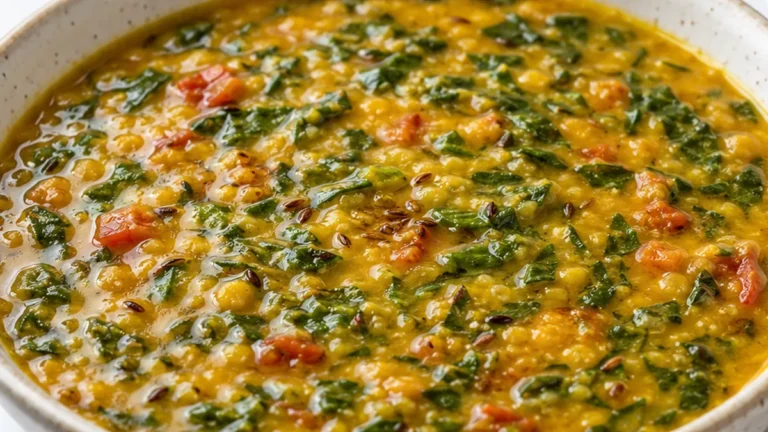
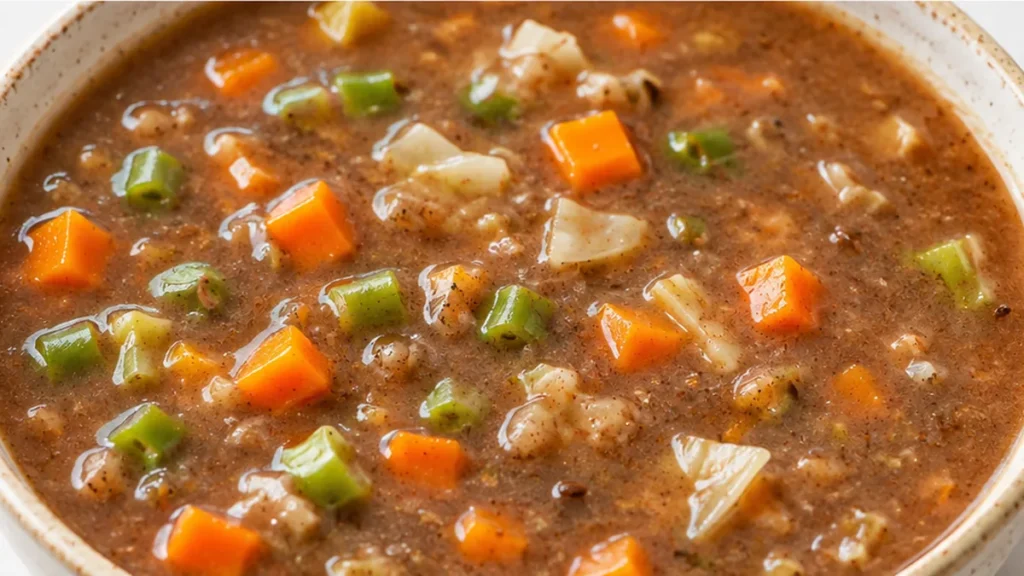
This hearty, nutritious Ragi Soup will warm your soul! Each spoonful brings a delightful blend of flavors and health benefits, perfect for chilly evenings.
Discover this nourishing Ragi Soup packed with goodness! Easy to make with simple ingredients, it’s perfect for a healthy meal that comforts your heart. Dive in for a cozy experience! #HealthyEating #RagiSoup
Key takeaways
- Ragi soup is rich in calcium and dietary fiber.
- Achieving a smooth texture requires gradual mixing of ragi flour with boiling water.
- Avoid common mistakes like overcooking vegetables to maintain their nutrients.
- Enhance flavor with spices like turmeric and fresh herbs for a personalized touch.
Warm Up with Comforting Ragi Soup!
Ingredients
- 1 teaspoon ghee
- ½ teaspoon jeera (cumin seeds)
- ¾ teaspoon chopped ginger
- ¼ + ⅛ cup diced carrots
- ¼ + ⅛ cup diced green beans
- ¼ + ⅛ cup finely chopped cabbage
- 2 ¾ cups water (divided)
- ¼ cup ragi flour / finger millet flour
- ½ teaspoon salt
- ¼ teaspoon pepper
Instructions
- In a pot, heat ghee, add jeera. Once it starts spluttering, add ginger, diced carrots, beans, cabbage, salt, pepper, and 2 ¼ + ⅛ cups of water. Bring to a boil and simmer on low for 10 minutes.
- Add chopped mushrooms and simmer for 2-3 minutes.
- In a separate bowl, mix the ragi flour with ¼ + ⅛ cups of water until smooth, ensuring there are no lumps to make the ragi slurry. Slowly add the ragi slurry to the soup while stirring continuously until fully incorporated.
- Keep stirring until the soup thickens, simmer for 4-5 minutes, then take off the heat and serve.
Video
Notes
Understanding the Nutritional Benefits of Ragi Soup
Ragi, or finger millet, is a highly nutritious grain rich in calcium, iron, and dietary fiber. Incorporating ragi flour into your soup not only enhances its texture but also boosts its health benefits. A typical serving of ragi contains about 344 mg of calcium, making it an excellent choice for bone health. Additionally, the dietary fiber content aids in digestion and helps maintain a healthy weight.
Perfecting the Texture of Your Ragi Soup
The texture of ragi soup is crucial for an enjoyable eating experience. Achieving a smooth and creamy consistency requires careful mixing of ragi flour with water. It’s essential to gradually add the flour into the boiling water while stirring continuously to prevent lumps. A good ratio is about ¼ cup of ragi flour to 2¾ cups of water, ensuring the soup remains thick but not overly dense.
Common Mistakes to Avoid While Making Ragi Soup
- Not Prepping Ingredients: Failing to chop vegetables uniformly can lead to uneven cooking. Ensure all vegetables are diced to similar sizes for consistent texture.
- Incorrect Water Temperature: Adding ragi flour to cold water can result in clumping. Always add it to boiling water for the best results.
- Overcooking Vegetables: Cooking vegetables for too long can lead to mushiness. Aim for tender but firm vegetables to maintain their flavor and nutrients.
Flavor Enhancements for Ragi Soup
While the basic ragi soup recipe is comforting on its own, you can enhance its flavor profile by incorporating additional spices and herbs. For instance, adding a pinch of turmeric can not only improve the color but also provide anti-inflammatory benefits. Fresh herbs like coriander or a dash of lime juice can add brightness to the dish, making it more appealing. Experimenting with different spices can help tailor the soup to your personal taste.
Unique Characteristics of Ragi Soup
Unlike many other soups, ragi soup stands out due to its unique ability to provide a hearty meal while being gluten-free. This makes it a suitable option for individuals with gluten sensitivities. Additionally, the nutty flavor of ragi adds a distinct taste that is not commonly found in other soups, setting it apart as a comforting yet nutritious choice.
Adapting Ragi Soup for Meal Prep and Storage
When preparing ragi soup in advance, consider the impact of storage on flavor and texture. After cooking, allow the soup to cool before transferring it to an airtight container. It can be refrigerated for up to three days. Reheating should be done gently over low heat to prevent the ragi from becoming overly thick or gummy. If the soup thickens during storage, add a little water or broth while reheating to restore its desired consistency. For longer storage, consider freezing the soup in portions. When frozen, ragi soup can last up to three months. Thaw overnight in the refrigerator before reheating.
Scaling Ragi Soup for Larger Gatherings
Scaling up your ragi soup recipe requires careful attention to ingredient ratios and cooking time. The base proportions of ragi flour to water should remain consistent; typically, a ratio of 1:11 (ragi flour to water) works well. For every additional cup of ragi flour, increase the water by 11 cups. However, when cooking larger batches, the time required for the soup to reach a simmer can increase. Monitor the heat closely to avoid scorching, and stir frequently to ensure even cooking. This method allows you to serve a larger group while maintaining the soup’s signature texture and flavor.
Choosing the Right Equipment for Cooking Ragi Soup
The equipment used can significantly influence the outcome of ragi soup. A heavy-bottomed pot is ideal for even heat distribution, which helps prevent the soup from sticking to the bottom. If using a pressure cooker, reduce the water slightly as the sealed environment retains moisture. An immersion blender can be used for a smoother texture, but be cautious not to over-blend, as this can create a gluey consistency. Additionally, using a fine mesh strainer can help achieve a silky finish if desired. Each piece of equipment can modify the soup’s final texture and flavor, so choose based on your preferences.
Seasonal Adjustments for Ragi Soup Ingredients
Seasonal variations in vegetables can affect the flavor profile of your ragi soup. In winter, root vegetables like carrots and turnips can be used, providing a hearty texture. In summer, lighter vegetables such as zucchini and peas can enhance freshness. The quality of ingredients also plays a crucial role; fresher vegetables will yield a more vibrant soup. Adjust the seasoning based on the seasonality of your ingredients—fresh herbs in summer or warming spices in winter can elevate the dish. This adaptability ensures that your ragi soup remains delicious year-round.
Understanding the Role of Ghee in Ragi Soup
Ghee, or clarified butter, is a traditional cooking fat that plays a significant role in the preparation of ragi soup. It not only adds a rich flavor but also enhances the nutritional profile of the dish. Ghee has a high smoke point, which means it can be heated to a higher temperature without burning, making it ideal for sautéing spices like jeera (cumin seeds) and ginger. This process releases aromatic compounds that contribute to the overall flavor of the soup.
When using ghee, it’s essential to measure the quantity accurately. Using too much ghee can lead to an overly greasy soup, while too little may result in a lack of flavor depth. A teaspoon is generally sufficient for this recipe, but feel free to adjust based on personal preference. The quality of ghee also matters; homemade or high-quality store-bought ghee can significantly elevate the taste of the soup.
Adjusting Cooking Times for Different Vegetables
The vegetables in ragi soup, such as carrots, green beans, and cabbage, each have unique cooking times that can affect the final texture and flavor of the dish. Carrots, for example, take longer to soften compared to green beans and cabbage. To ensure all vegetables are cooked perfectly, consider chopping them into uniform sizes to promote even cooking.
Additionally, you can add the vegetables in stages: start with the carrots, as they require the longest cooking time, followed by the green beans, and finally the cabbage, which cooks quickly. This staggered approach helps maintain the integrity and texture of each vegetable, preventing them from becoming mushy. Monitoring the cooking times and adjusting them based on the vegetable types will lead to a more balanced and visually appealing ragi soup.
Exploring Flavor Pairings with Ragi Soup
Ragi soup serves as a versatile base that can be paired with various flavors to enhance its taste profile. While the recipe provides a comforting and mild flavor, consider incorporating spices such as turmeric, coriander, or even a touch of chili powder for added heat. Each of these spices not only complements the earthy flavor of ragi but also contributes to its health benefits.
For a more robust flavor, serve the soup with a squeeze of lemon or lime juice before serving. The acidity will brighten the dish, balancing the richness of the ghee and the heartiness of the vegetables. Additionally, garnishing with fresh herbs like cilantro or parsley can add a fresh note that elevates the overall dish. Experimenting with these flavor pairings can transform a simple ragi soup into a gourmet experience.
Adjusting Ragi Soup for Seasonal Ingredients
When preparing ragi soup, the choice of vegetables can significantly influence the flavor and nutritional profile of the dish. Seasonal ingredients not only enhance taste but also provide the freshest produce available. For instance, in winter, root vegetables like carrots and turnips are at their peak, offering a sweeter flavor profile. In contrast, spring brings lighter vegetables like peas and asparagus, which can add a fresh, crisp texture to the soup. Additionally, using locally sourced vegetables can ensure optimal flavor and nutrient retention. It’s important to adjust cooking times based on the vegetables chosen; for example, leafy greens require less cooking time than denser root vegetables. This adaptability allows ragi soup to remain a comforting dish throughout the year while maximizing the benefits of seasonal produce.
Understanding the Role of Water Quality in Ragi Soup
The quality of water used in cooking can impact the overall taste of ragi soup. Using filtered or purified water can prevent any off-flavors from tap water, particularly in areas where the water supply may contain chlorine or other chemicals. The mineral content of water can also affect the cooking process; for example, hard water may alter the texture of the vegetables, making them less tender. When making ragi soup, it is advisable to use water that is free from impurities and has a balanced mineral composition. This attention to detail ensures that the natural flavors of the ragi and vegetables shine through, resulting in a more satisfying and wholesome dish.
Pro tips
Pro tip: Best served immediately while hot!
Frequently asked questions
Can I use other flours instead of ragi flour?
Yes, you can substitute ragi flour with other gluten-free flours like millet or buckwheat flour. However, the flavor and nutritional profile may vary, so adjustments in liquid ratios might be necessary.
How can I store leftover ragi soup?
Leftover ragi soup can be stored in an airtight container in the refrigerator for up to 3 days. Reheat gently on the stove, adding a little water if it has thickened too much.
Is ragi soup suitable for children?
Ragi soup is generally suitable for children due to its nutritional benefits. However, ensure that it is well-cooked and blended to a smooth consistency to avoid any choking hazards.
Can I add protein to ragi soup?
Absolutely! You can add cooked lentils, beans, or even shredded chicken to increase the protein content of ragi soup, making it a more balanced meal.
More from Vegetable & Bean Soups →