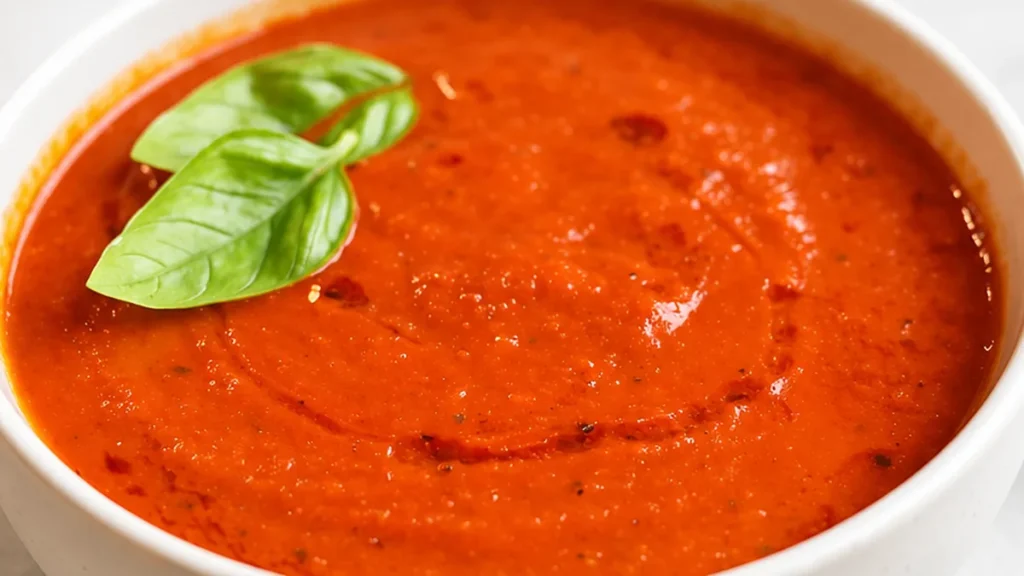
This silky vegan tomato soup combines roasted garlic with ripe tomatoes for a rich flavor. It’s a simple recipe that offers a comforting meal option.
Key takeaways
- Use high-quality, ripe tomatoes for the best flavor.
- Blend the soup while hot for a silky texture.
- Balance acidity with a pinch of sugar or maple syrup.
- Experiment with ingredient swaps to enhance flavor complexity.
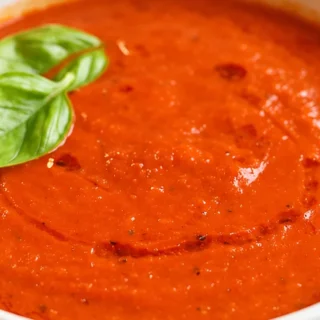
Silky Vegan Tomato Soup
Ingredients
Instructions
- Heat oil in a soup pot over medium heat. Add chopped onion and minced garlic, sautéing for 5 minutes until translucent.
- Add whole peeled tomatoes with liquid, water, vegetable bouillon cube, dried oregano, dried basil, and salt to the pot. Cook for 10 minutes on medium heat.
- Blend the soup until smooth using an immersion blender. Alternatively, transfer the soup to a regular blender, blend until smooth, and return to the pot.
- Stir in 1/4 cup non-dairy milk for desired creaminess. Taste and add agave syrup if you prefer it sweeter.
- Continue cooking for another 5 minutes to allow flavors to meld.
- Serve the soup hot in bowls, drizzled with oil from the sun-dried tomato jar if desired.
Understanding the Ingredients for Silky Vegan Tomato Soup
The foundation of a great silky vegan tomato soup lies in the quality and type of tomatoes used. Fresh, ripe tomatoes are ideal, but canned tomatoes, especially San Marzano varieties, can provide a rich flavor. The acidity of the tomatoes contributes to the soup’s overall taste, while the natural sweetness balances it out. Additionally, using a high-quality vegetable broth enhances the depth of flavor. When selecting herbs, fresh basil and oregano can make a significant difference compared to dried counterparts.
The Science Behind Achieving a Silky Texture
The key to a silky texture in your tomato soup is the blending process. Using an immersion blender or a high-speed blender allows for a smooth consistency by breaking down the tomato fibers. The temperature of the soup also plays a role; blending hot soup creates steam, which can further enhance the creaminess. If you prefer a creamier texture, consider adding a plant-based cream or coconut milk after blending. The fat content in these ingredients helps in emulsifying the soup, resulting in a luxurious mouthfeel.
Common Issues and Solutions When Making Tomato Soup
- Issue: The soup tastes too acidic.
- Solution: Add a pinch of sugar or a splash of maple syrup to balance the acidity.
- Issue: The soup is too thin.
- Solution: Simmer the soup longer to reduce it, or add a small amount of cornstarch mixed with water to thicken.
- Issue: The flavor is lacking.
- Solution: Boost the flavor with additional herbs, spices, or a splash of balsamic vinegar.
Ingredient Swaps and Their Effects
- Swap: Use roasted garlic instead of raw for a sweeter, milder flavor.
- Effect: This adds depth without overpowering the tomato taste.
- Swap: Substitute coconut milk for vegetable broth for creaminess.
- Effect: This will create a richer, sweeter soup.
- Swap: Use smoked paprika instead of regular paprika.
- Effect: This adds a subtle smokiness that enhances the overall flavor profile.
How to Adjust Serving Sizes for Silky Vegan Tomato Soup
When scaling your silky vegan tomato soup recipe, consider the ratio of ingredients to maintain the desired texture and flavor. A simple method is to multiply each ingredient by the same factor. For example, if you want to double the recipe, use twice the amount of tomatoes, broth, and seasonings. However, be cautious with the cooking time; larger batches may require additional simmering to meld the flavors properly. Aim for a consistent simmer rather than a rapid boil to prevent separation and maintain silkiness.
Choosing the Right Equipment for Optimal Results
The equipment you use can significantly impact the outcome of your silky vegan tomato soup. A high-speed blender is ideal for achieving a smooth texture, as it can thoroughly puree the ingredients without leaving any chunks. If you’re using a standard blender, consider blending in smaller batches to ensure an even consistency. Additionally, an immersion blender is a convenient option for pureeing directly in the pot, but it may require more time to achieve the same level of smoothness compared to a traditional blender.
Seasonal Ingredients and Their Impact on Flavor
Using seasonal ingredients can elevate the flavor profile of your silky vegan tomato soup. Fresh, ripe tomatoes in summer will provide a natural sweetness and vibrant color, while winter tomatoes may require additional seasoning to enhance their flavor. Consider incorporating seasonal herbs such as basil in summer or thyme in fall to complement the soup’s taste. Additionally, the quality of your vegetable broth can vary with seasons, so taste and adjust your seasoning accordingly to ensure a well-balanced soup.
Storing and Reheating Silky Vegan Tomato Soup
Proper storage is essential for maintaining the quality of your silky vegan tomato soup. Allow the soup to cool completely before transferring it to an airtight container. It can be stored in the refrigerator for up to five days or frozen for up to three months. When reheating, do so gently on the stove over low heat, stirring frequently to maintain its silky texture. If the soup appears too thick after refrigeration, add a splash of vegetable broth or water to restore its consistency.
Understanding the Impact of Seasonal Tomatoes on Flavor
The quality and flavor of tomatoes can vary significantly with the seasons. Using in-season tomatoes, typically during summer, results in a sweeter and more flavorful soup. For instance, heirloom varieties are known for their rich taste and vibrant colors, making them ideal for this recipe. In contrast, out-of-season tomatoes often lack flavor and can be watery, affecting the overall taste of your silky vegan tomato soup. When selecting tomatoes, look for those that are firm and fragrant, indicating ripeness. If fresh tomatoes are unavailable, consider using high-quality canned tomatoes, preferably San Marzano, which can maintain a rich flavor profile throughout the year.
Batch Scaling: Adjusting Ingredients for Larger Quantities
When scaling the recipe for larger gatherings, it’s crucial to maintain the same ratios of ingredients to ensure the soup’s silky texture and flavor remain consistent. For instance, if you double the recipe, use twice the amount of each ingredient, including spices and aromatics. However, consider the cooking time; larger batches may require additional simmering time to ensure all flavors meld properly. Use a large pot to accommodate the increased volume, and remember that blending in batches might be necessary to achieve the desired smoothness. Always taste and adjust seasoning as necessary, since flavors can concentrate differently in larger quantities.
Choosing the Right Blender for Optimal Texture
The blender you choose can significantly affect the texture of your silky vegan tomato soup. High-powered blenders, such as Vitamix or Blendtec, can achieve an ultra-smooth consistency due to their ability to emulsify ingredients thoroughly. If using a standard blender, blend in smaller batches to prevent overflow and ensure even blending. For an extra silky finish, consider passing the soup through a fine-mesh strainer after blending. This step removes any remaining solids and guarantees a velvety texture. Additionally, blending the soup while it’s still warm can enhance the emulsification process, leading to a creamier result.
Pairing Suggestions for a Complete Meal
Silky vegan tomato soup pairs beautifully with various accompaniments that can elevate the dining experience. For a classic combination, serve it with a grilled cheese sandwich, allowing the gooey, melted cheese to complement the soup’s acidity. Alternatively, consider pairing the soup with a fresh basil pesto swirl or a dollop of cashew cream for added richness. Crusty bread or a side salad can also enhance the meal, providing texture and freshness. When serving, consider garnishing with fresh herbs or a sprinkle of nutritional yeast to add depth to the flavor profile.
Understanding the Impact of Ingredient Quality on Flavor
The quality of the tomatoes used in your silky vegan tomato soup can significantly affect the overall flavor profile of the dish. Ripe, in-season tomatoes will yield a sweeter and more complex flavor compared to out-of-season or canned varieties. Aim for tomatoes that are firm yet slightly yielding to the touch, indicating ripeness. For the best results, consider using heirloom varieties, which often have a richer taste and can enhance the soup’s depth. When using canned tomatoes, opt for those packed in juice rather than puree, as this can provide a fresher taste. Additionally, the freshness of herbs and spices plays a crucial role; dried herbs can be used, but fresh basil or oregano will elevate the dish. Fresh ingredients not only contribute to flavor but also to the nutritional profile of the soup.
Batch Scaling: Adjusting for Larger Quantities
When preparing silky vegan tomato soup in larger quantities, it’s essential to maintain the balance of flavors and textures. Start by scaling up the base ingredients proportionally; for instance, if the original recipe calls for 1 kilogram of tomatoes, use 2 kilograms for double the batch. However, be cautious with seasonings like salt and spices, as their potency can intensify when multiplied. A good rule of thumb is to start with 75% of the scaled amount and adjust to taste as you simmer the soup. Additionally, the cooking time may vary with larger batches; ensure that the soup reaches a gentle simmer without overcrowding the pot. Using a larger pot can help distribute heat evenly and allow for better blending, ensuring a silky texture is achieved across the entire batch.
Pro tips
Pro tip: Best served immediately while hot!
Frequently asked questions
Can I use canned tomatoes instead of fresh ones?
Yes, canned tomatoes, especially San Marzano, can provide a rich flavor and are a great alternative to fresh tomatoes, particularly when they are out of season.
How can I make the soup creamier without dairy?
To achieve a creamier texture, consider adding plant-based cream or coconut milk after blending the soup. This will enhance the richness without using dairy.
What should I do if my soup is too acidic?
If the soup tastes too acidic, try adding a pinch of sugar or a splash of maple syrup to balance the flavors without altering the overall taste significantly.
How long can I store the soup in the refrigerator?
The soup can be stored in the refrigerator for up to 5 days in an airtight container. Reheat gently on the stove before serving.
More from Vegetable & Bean Soups →