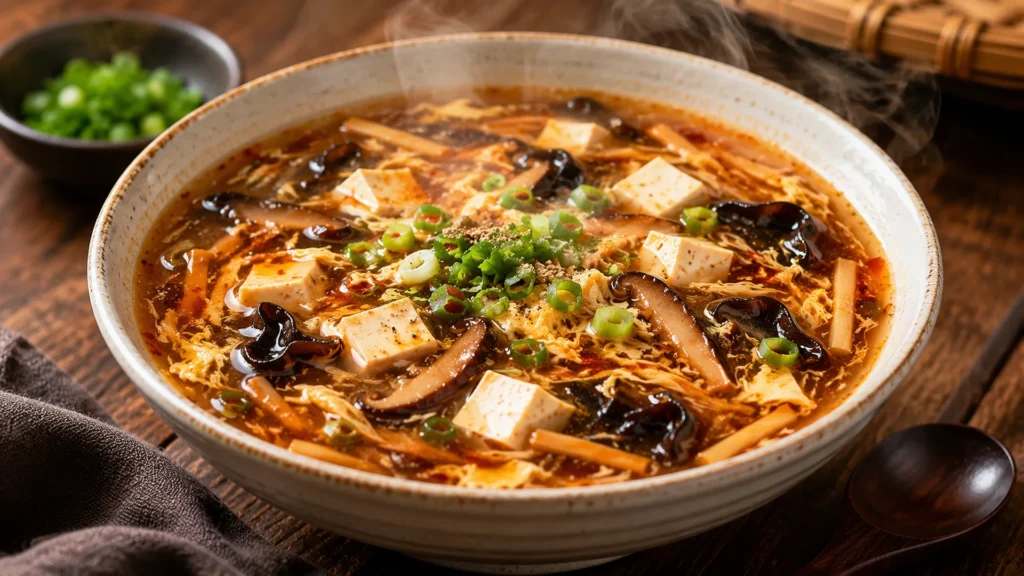
Is hot and sour soup gluten free is one of those questions that sounds simple and turns out to be anything but, because the honest answer is that it depends entirely on how it was made. I am Elsie Bendrow, and I spend a lot of time around soup pots and ingredient labels, so I want to walk you through this carefully. The classic version served at most American Chinese restaurants is usually not gluten free, mainly because of soy sauce and sometimes the thickener and a few hidden add ins. But you can absolutely make a gluten free hot and sour soup at home that tastes just as bright and peppery as the takeout version, and you can sometimes order it safely if you ask the right questions.
If you have celiac disease or a real gluten sensitivity, the stakes are higher than taste. Cross contamination in a busy restaurant kitchen is a genuine risk, and a soup that uses the wrong soy sauce will quietly carry wheat into your bowl. So this guide is built around what to check, what to swap, and how to make a version at home where you control every ingredient. By the end you will know exactly which parts of the recipe to interrogate.
Why Standard Hot and Sour Soup Usually Contains Gluten
Hot and sour soup is a savory, peppery, tangy broth, usually loaded with tofu, mushrooms, bamboo shoots, and ribbons of egg, thickened to a silky body and finished with vinegar and white pepper. On its own, that list does not scream gluten. The problem lives in the seasonings, not the vegetables. Two ingredients do most of the damage, and a couple of others can sneak in depending on the cook.
The first and biggest culprit is soy sauce. Traditional soy sauce is brewed with wheat, and most restaurants pour it in generously to build that deep savory base. Unless the kitchen specifically uses a wheat free tamari or a certified gluten free soy sauce, your soup has wheat in it. The second culprit is the thickener. The silky texture usually comes from cornstarch, which is naturally gluten free, but some kitchens use wheat flour or a wheat based starch instead, and you cannot tell by looking.
Then there are the quieter offenders. Some recipes add a splash of Chinese cooking wine such as Shaoxing, which is often made with wheat. A few versions use a dash of oyster sauce or a seasoning blend that contains wheat derivatives. And imitation crab, if it shows up in a seafood version, almost always contains wheat starch. None of these are guaranteed to be present, which is exactly why you have to ask rather than assume.
It helps to picture how a typical kitchen builds this soup. The cook starts with a broth, often a chicken or pork base, then seasons it heavily with soy sauce for color and salt. The sour comes from vinegar, the heat from white pepper, and the silky body from a starch slurry stirred in near the end. Egg gets streamed in for ribbons. Every one of those steps is a decision point where gluten either does or does not enter. The broth could be a wheat free homemade stock or a bouillon with hidden wheat. The soy could be tamari or wheat brewed. The starch could be cornstarch or flour. The soup you are handed is the sum of choices you did not see, so the only reliable path is to control those choices yourself or to question them directly.
| Ingredient | Gluten risk | Why |
|---|---|---|
| Soy sauce (regular) | High | Brewed with wheat |
| Tamari (wheat free) or GF soy | Low | Made without wheat, check label |
| Cornstarch thickener | None | Naturally gluten free |
| Wheat flour thickener | High | Pure wheat |
| Shaoxing cooking wine | Medium to high | Often contains wheat |
| Oyster sauce | Variable | Some brands add wheat |
| Imitation crab | High | Contains wheat starch |
| Tofu, mushrooms, bamboo, egg | None | Naturally gluten free |
What Gluten Actually Is and Why It Matters Here
Gluten is a protein found in wheat, barley, and rye. For people with celiac disease, eating it triggers an immune response that damages the small intestine, and even small amounts cause real harm over time. The Celiac Disease Foundation explains the condition and its triggers clearly, and if you are newly diagnosed it is worth reading their primer on what celiac disease is so you understand why trace amounts matter.
This is the reason the soy sauce question is not a small detail. A tablespoon of wheat based soy sauce in a pot of soup spreads gluten through the entire batch. There is no picking it out and no cooking it off. Heat does not destroy gluten. So when a recipe or a restaurant says the soup is gluten free, the only thing that makes it true is that every single ingredient that went into the pot was gluten free, prepared with clean utensils and pans.
For labeling, the FDA sets a standard in the United States. A product labeled gluten free must contain less than 20 parts per million of gluten, which is the threshold considered safe for most people with celiac disease. The National Institute of Diabetes and Digestive and Kidney Diseases covers the diagnosis and dietary management in its overview of celiac disease, and that 20 parts per million figure is the number to keep in mind when you scan a bottle of soy sauce or a carton of broth for your homemade version.
Can You Order It Safely at a Restaurant?
Sometimes, but you have to do the asking, and you have to accept that no busy kitchen is a perfectly controlled lab. Most standard restaurant hot and sour soup is not gluten free out of the gate. If you want to try ordering it, here is how I approach the conversation. I ask whether the soup is thickened with cornstarch or flour. I ask whether they can make it with a gluten free soy sauce or tamari instead of regular soy. And I ask whether the broth base itself contains any wheat.
Even with the right answers, cross contamination is the wild card. The same wok, the same ladle, the same prep surface that touched wheat noodles can carry traces into your bowl. For someone with mild sensitivity, a careful kitchen may be fine. For someone with celiac disease, I would lean toward making it at home unless the restaurant has a dedicated gluten free protocol and clearly understands the risk. There is no shame in choosing the version you fully control.
When I do ask at a restaurant, I try to talk to someone who actually knows the kitchen rather than a host reading from a laminated card. The person taking your order may not know whether the soup base has wheat, and a cheerful guess is worse than an honest “let me check.” If the answer comes back vague or rushed, I take that as a no. A kitchen that genuinely accommodates gluten free diners will have a clear answer ready, because they get the question often. Trust the confidence of the response as much as the words. A confident, specific yes is reassuring. A hesitant yes is a polite maybe, and maybe is not safe enough for celiac disease.
| Question to ask the restaurant | Answer you want |
|---|---|
| Is the soup thickened with cornstarch or flour? | Cornstarch |
| Can you use gluten free soy sauce or tamari? | Yes, we have it |
| Does the broth base contain wheat? | No |
| Is any cooking wine added? | None, or a GF substitute |
| Do you prep on a shared surface? | We can use a clean area |
How to Make Gluten Free Hot and Sour Soup at Home
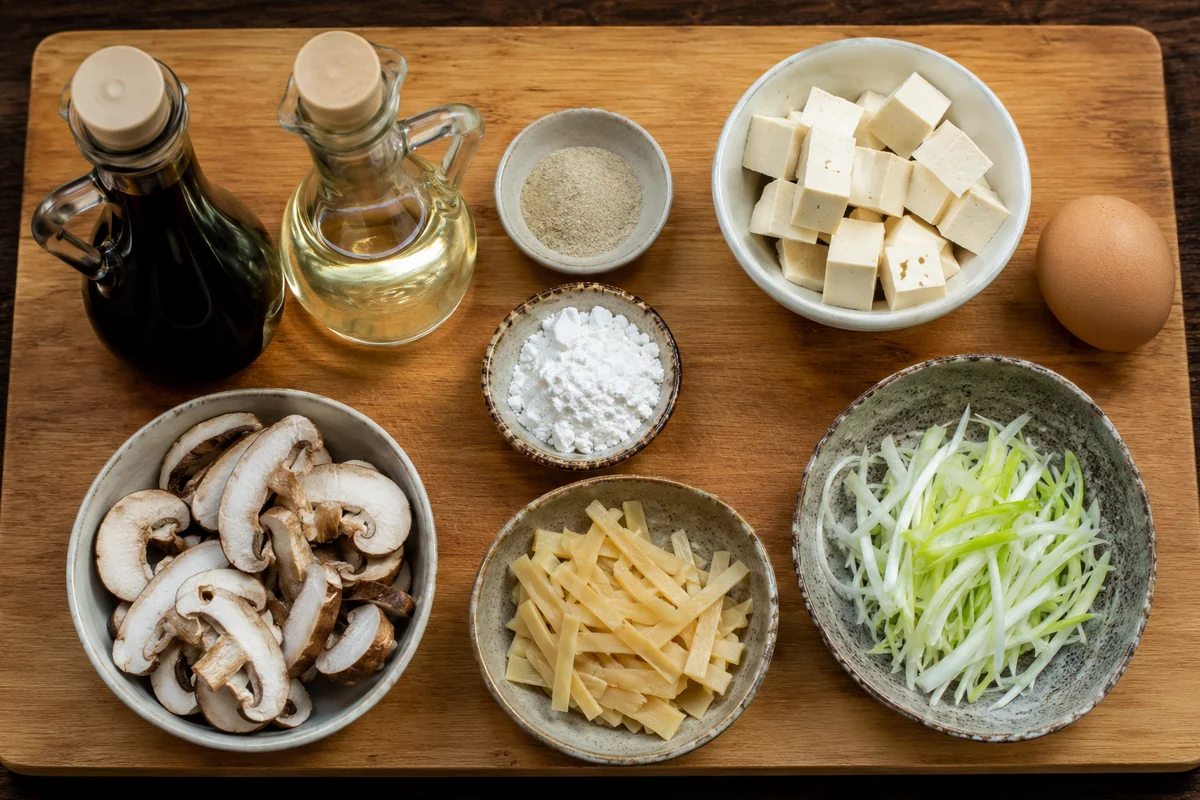
This is where you win, because at home every choice is yours. Start with a clean broth. Use a chicken or vegetable stock that you trust, ideally homemade or a labeled gluten free carton. If you want to build a deeply savory base from scratch, the same skills I use for a from scratch chicken pot apply here, and you can borrow the method from my guide on making chicken soup from scratch. A good base carries the whole soup.
For the seasonings, swap regular soy sauce for a wheat free tamari or a certified gluten free soy sauce. Use rice vinegar for the sour note, since rice vinegar is naturally gluten free, and check that no malt vinegar sneaks in, because malt comes from barley and carries gluten. Skip Shaoxing wine or replace it with a dry sherry that you have confirmed is gluten free, or simply leave it out. White pepper does the heavy lifting on the heat, and it is naturally gluten free.
Thicken with pure cornstarch slurried in cold water, whisked into the simmering soup at the end until it turns silky. Add silken or firm tofu in cubes, sliced shiitake or wood ear mushrooms, bamboo shoots, and finish with a slow stream of beaten egg drawn through the hot broth to make those classic ribbons. Taste and balance the sour against the heat. The body of the broth matters as much as the seasoning, which is the same lesson I keep coming back to in my notes on broth and noodle soups.
A few details make the home version sing. Wood ear mushrooms give that slippery, slightly crunchy texture you get at good restaurants, and they are worth seeking out at an Asian grocery. Slice the tofu and mushrooms thin so they cook fast and stay tender. Add the vinegar and white pepper late, off a full boil, because both lose their edge if you cook them hard for long. For the egg ribbons, turn off the heat, stir the soup into a slow swirl, then drizzle the beaten egg in a thin stream and let it set for a few seconds before stirring again. Rushing the egg gives you scrambled clumps instead of delicate threads.
Balance is everything in this soup. It should hit sour, salty, and peppery all at once, with no single note running away from the others. Start conservative with the vinegar and pepper, taste, then build up. I keep extra rice vinegar and white pepper next to the pot for the final adjustment, because the soup tells you what it needs once everything is in. If it tastes flat, it usually wants more salt from the tamari or a touch more vinegar to wake it up.
Reading Labels Without Getting Fooled
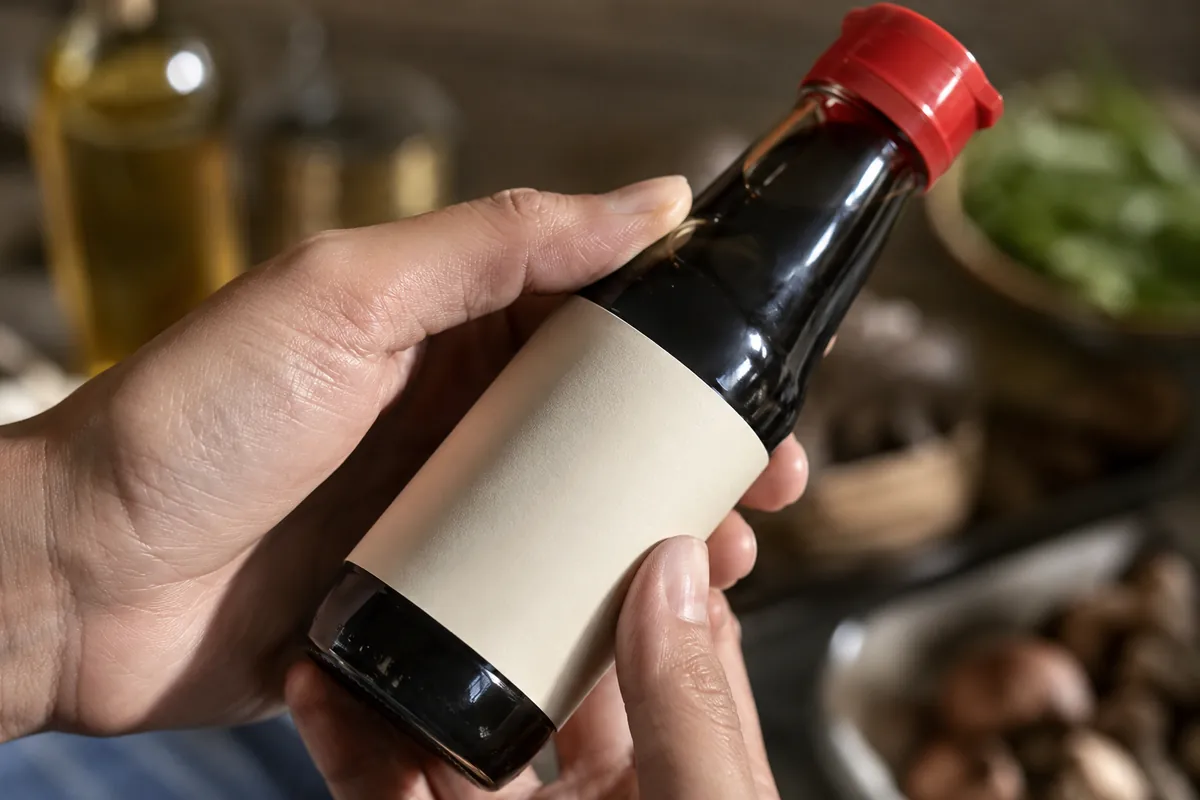
Label reading is the real skill, because the gluten hides in the small print. On soy sauce, look for “tamari” plus a gluten free claim, or a soy sauce that explicitly says certified gluten free. Plain “soy sauce” almost always means wheat is included. On broth and stock cartons, scan for wheat, barley, malt, and the vague terms “natural flavor” or “seasoning” that can mask wheat derivatives. When in doubt, choose a product carrying a gluten free label, which under FDA rules means it tested under 20 parts per million.
Watch the cooking wine and the finishing sauces especially. Oyster sauce, hoisin, and some chili pastes can contain wheat, so a recipe that calls for any of those needs a gluten free version or an omission. Malt vinegar is a common trap because vinegar sounds safe, but malt is barley. Rice vinegar and distilled white vinegar are your safe choices for the sour element. Black vinegar, a traditional choice in some hot and sour recipes, deserves a closer look because certain brands are made with wheat or barley, so read that label too rather than assuming a dark vinegar is automatically fine. If you cannot confirm a black vinegar is gluten free, rice vinegar with a small pinch of sugar gets you a similar mellow tang without the risk. If you want a broader sense of how naturally gluten free ingredients come together in full dishes, the recipes over at gluten free dinners are a useful reference for stocking a safe pantry. The same care extends to any sauce you finish the bowl with, since condiments are a sneaky gluten source, and browsing a guide to Asian sauces helps you spot which ones lean on wheat.
Common Mistakes That Add Gluten by Accident
The most common mistake is assuming soy sauce is fine because it is liquid and dark and tastes like umami. It is the single biggest source of hidden gluten in this soup. The second mistake is grabbing malt vinegar instead of rice vinegar because both say vinegar on the front. The third is using a bouillon cube or a seasoning packet that lists wheat or undisclosed natural flavor, which can undo an otherwise clean pot in one move.
Cross contamination at home is the quiet one. If you used the same cutting board for wheat noodles earlier and did not wash it, or you stirred with a spoon that sat in a wheat based sauce, traces carry over. Wash boards, knives, and pots between uses. Use a clean pot of water if you are blanching anything. These habits feel fussy until you have a reaction, and then they feel obvious. For a soup as forgiving and fast as this one, the cleanup discipline is the hardest part, and it is worth it.
One last mistake is trusting a generic restaurant menu note that says “gluten free options available” without confirming it applies to the soup specifically. Those notes often cover a few stir fries and not the soup base. Always ask about the exact dish. A polite, specific question protects you far better than a hopeful assumption.
If you are cooking for someone with celiac disease, keep a small dedicated set of gluten free pantry staples so you never have to second guess mid recipe. A bottle of certified gluten free tamari, a jar of rice vinegar, a box of pure cornstarch, and a trusted gluten free broth cover almost every version of this soup. Store them together and label them, so a busy weeknight does not turn into a scramble where you grab the wrong soy sauce by reflex. The habit removes the single most common point of failure, which is reaching for whatever bottle is closest.
Frequently Asked Questions
Is hot and sour soup gluten free at most Chinese restaurants?
Usually not. The standard version is typically made with wheat based soy sauce, and sometimes with a wheat thickener or cooking wine that contains gluten. Unless the restaurant specifically uses gluten free soy sauce or tamari and confirms a cornstarch thickener, assume the soup contains gluten. Ask about the soy sauce, the thickener, and cross contamination before ordering.
What makes hot and sour soup not gluten free?
The main culprit is soy sauce brewed with wheat. Other sources include wheat flour used as a thickener instead of cornstarch, Shaoxing cooking wine made with wheat, certain oyster or seasoning sauces, and imitation crab in seafood versions. The vegetables, tofu, eggs, and mushrooms are naturally gluten free, so the risk almost always comes from the seasonings.
Can I make hot and sour soup gluten free at home?
Yes, and it is straightforward. Use a gluten free broth, swap regular soy sauce for wheat free tamari or certified gluten free soy sauce, use rice vinegar for the sour note, thicken with pure cornstarch, and skip or replace any wheat based cooking wine. Keep your tools and surfaces clean to avoid cross contamination, and you get a soup that tastes just like the classic.
Is tamari always gluten free?
Not automatically. Tamari is traditionally made with little or no wheat, but some brands still include a small amount, so you must read the label. Look for a tamari that carries a gluten free claim, which under FDA rules means it tests below 20 parts per million of gluten. When the bottle confirms gluten free, it is a reliable swap for regular soy sauce.