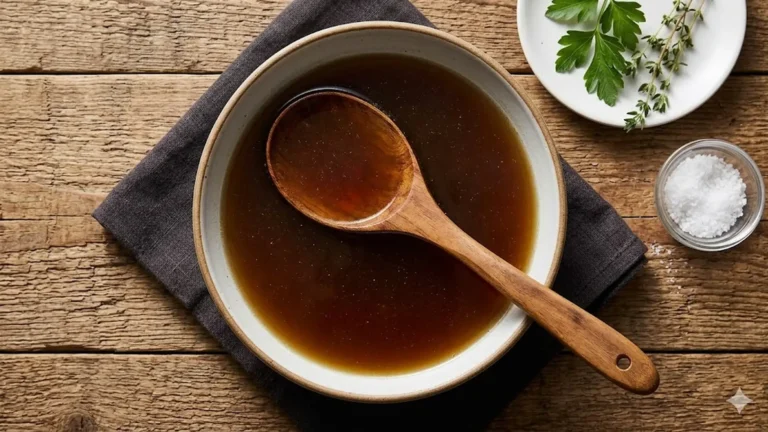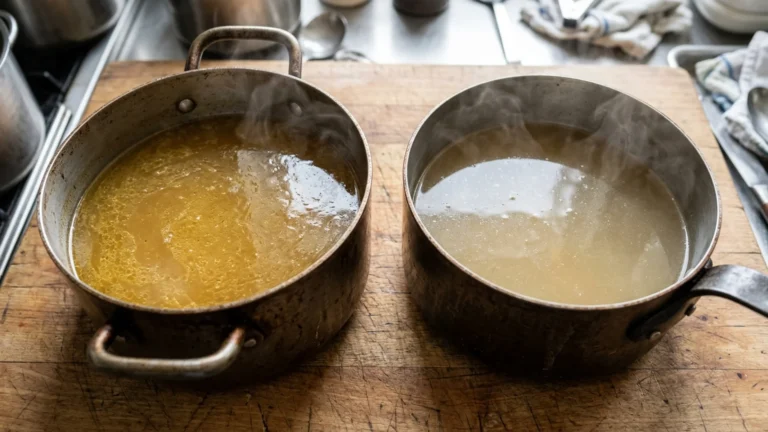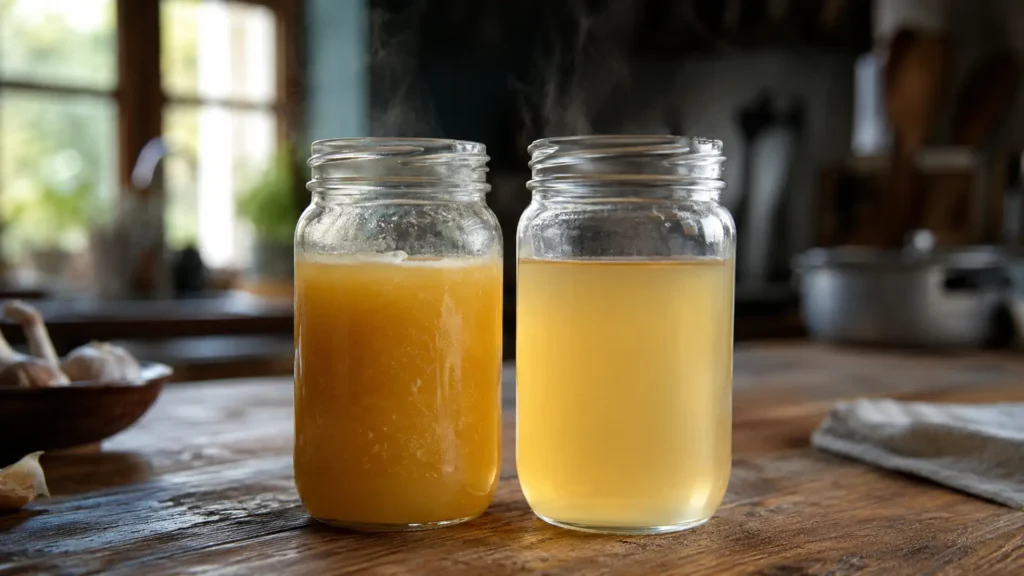
The chicken broth vs stock question comes up in my kitchen more than almost any other, usually from someone standing at the store holding two cartons that look identical. I am Elsie Bendrow, and I have made both from scratch more times than I can count, so let me settle this the way a cook settles it, not the way a label writer does. The short version is that stock is built on bones and broth is built on meat, and that one difference changes the body, the flavor, and how you should use each one. The long version is worth your time, because once you understand what is happening inside the pot, you will stop buying the wrong carton and start making better soup.
People treat the two words like synonyms, and honestly, the grocery aisle encourages that. You will see “chicken broth” and “chicken stock” sitting side by side, sometimes from the same brand, with nearly identical ingredient lists. That blurring is real, and I will not pretend the line is perfectly sharp in every commercial product. But in a real kitchen, working from scratch, the distinction is concrete and useful. Get it right and your sauces cling better, your braises taste rounder, and your soups stop tasting thin.
The Core Difference: Bones Versus Meat
Stock starts with bones. You roast or simmer chicken backs, wings, necks, and feet, and you cook them long enough to pull collagen out of the connective tissue and the bone ends. That collagen breaks down into gelatin, and gelatin is what gives a good stock its weight. When you chill real stock, it sets up like a soft jelly. You can scoop it with a spoon and it holds a shape for a second before it slumps. That wobble is the sign you did it right.
Broth starts with meat, often with some bone along for the ride, but the meat is the point. You simmer it for a shorter time, season it as you go, and you end up with something you could sip straight from a mug. Broth is lighter in body and more savory up front because the meat releases flavor faster than bone releases gelatin. It is usually salted. Stock, when I make it, gets no salt at all, because I want it neutral so I can control seasoning later in whatever dish it lands in.
Here is the part people miss. Cooking time is doing two separate jobs. A short simmer extracts surface flavor from meat. A long simmer dismantles connective tissue into gelatin. Broth wants the first job. Stock wants the second. That is why a four hour bone simmer and a ninety minute meat simmer are not the same recipe with a different timer. They are aiming at different targets.
| Feature | Chicken Stock | Chicken Broth |
|---|---|---|
| Main ingredient | Bones (backs, wings, necks, feet) | Meat, sometimes with bone |
| Simmer time | 3 to 6 hours | 1 to 2 hours |
| Body | Thick, gelatinous, sets when chilled | Lighter, stays liquid when chilled |
| Salt | Usually unsalted | Usually seasoned |
| Flavor | Deep, neutral background | Savory, ready to sip |
| Best for | Sauces, gravies, braises, risotto | Sipping, light soups, deglazing |
How Gelatin Changes Everything

If you remember one thing from this whole guide, remember gelatin. It is the quiet ingredient that makes restaurant food taste richer than home food, and most cooks never think about it. Gelatin gives liquid a coating quality. When you reduce a gelatin rich stock, it thickens on its own without flour or cornstarch, and it leaves a glossy film on the back of a spoon. That is why a pan sauce built on real stock tastes like it took effort even when it took ten minutes.
Broth has very little gelatin, so it stays thin no matter how long you reduce it. Reduce broth too far and it just gets salty and concentrated rather than silky. This is not a flaw. It is the reason broth is the right call when you want a clear, drinkable liquid. A clean chicken noodle soup wants broth, because you want to taste the meat and the seasoning, not feel a heavy mouth coating.
You can test gelatin content yourself without any equipment. Chill a cup of homemade stock overnight in the fridge. If it sets to a jiggle, you extracted real gelatin. If it stays liquid, either you used too few bones, simmered too short, or added too much water. I learned this the hard way years ago, watering down a batch until it was basically flavored water, and the chill test told me exactly what went wrong.
Wing tips and chicken feet are the secret to a stock that sets hard, and I wish more home cooks knew that. Feet are almost pure skin, cartilage, and bone, which means they are loaded with the connective tissue that becomes gelatin. A handful of feet thrown into an otherwise ordinary pot of backs and necks will take a thin, sad stock and turn it into one that quivers on the spoon the next morning. Ask the butcher counter for them. They are cheap, sometimes free, and they do more for body than any other single ingredient. If feet feel like a step too far, a pile of wings does most of the same work.
When to Reach for Each One
Reach for stock when the liquid will be reduced, when it carries other strong flavors, or when body matters. Risotto needs stock because the gelatin helps that creamy texture come together. Pan gravy needs stock because you are reducing it and you want it to thicken. Braised short ribs or a long pot of beans want stock because the dish cooks for a while and the stock becomes the backbone. Whenever I make my from scratch chicken soup, the bones do the heavy lifting, and you can see exactly how I handle that simmer in my full chicken soup walkthrough.
Reach for broth when the liquid stays as liquid and you want it to taste finished. A quick weeknight soup, a mug of something warm when you are under the weather, a fast deglaze for a simple chicken cutlet. Broth is also the friendlier choice if you are not going to add much else, because it already tastes seasoned. If you want a deeper look at how a brothy bowl behaves with noodles and aromatics, my notes on broth and noodle soups cover the territory. And once you have a rich stock on hand, it turns a plain protein into something special, the way a good stock based pan sauce lifts a plate of chicken pasta dishes well beyond a jar of sauce.
One practical rule I follow: if I am out of one and have the other, I adjust rather than panic. Using broth where a recipe calls for stock means I cut back on added salt and accept a slightly thinner result. Using stock where a recipe calls for broth means I add salt and maybe a splash more water to lighten it. They are close enough to swap with small corrections, which is why the aisle gets away with blurring them.
Reading the Carton at the Store
Commercial labels do not always follow the kitchen definition, so you have to read past the front of the box. Check the ingredient list and the nutrition panel. A product with real chicken flavor will list chicken or chicken stock high up, not just “chicken flavor” or “natural flavor.” Look at the sodium. Many store broths run 800 to 900 milligrams per cup, which is a lot if you plan to reduce the liquid. If you are watching salt, the USDA’s food data tools let you compare actual numbers across products, and I keep the USDA FoodData Central database bookmarked for exactly that.
Watch for the word “unsalted” or “no salt added” if you want control. Those versions behave more like real stock for cooking purposes, because you season the final dish yourself. Also notice whether the carton gels in the fridge. Pour a little into a cup and chill it. Some better store stocks actually set up, which tells you there is genuine gelatin in there and not just flavoring and water. Sodium adds up fast across a day, and the NIH explains how much most people should aim for in its overview of sodium in the diet, which is worth a glance before you reach for the saltiest carton.
| What you want | What to look for on the label |
|---|---|
| Body and richness | Chicken or bones listed first, gels when chilled |
| Salt control | “Unsalted” or “no salt added” |
| Clean flavor | Short ingredient list, recognizable items |
| Ready to sip | Seasoned broth, moderate sodium, listed herbs |
Bone Broth and Where It Fits
Bone broth has muddied the conversation in the last decade, and I get asked about it constantly. By the kitchen definition, bone broth is just a stock that has been simmered very long, often twelve to twenty four hours, to pull out as much gelatin and mineral content as possible. The marketing calls it broth, but it behaves like a heavy stock. It sets firm when chilled and it is meant for sipping, which is the broth use case, so the name is not entirely wrong either.
If you make bone broth, treat it like a concentrated stock in cooking. It is rich enough that you may want to dilute it for soups so the gelatin does not make your bowl feel like aspic. I roast the bones first for a deeper, browner flavor, then simmer low and slow with a splash of vinegar, which helps draw minerals out of the bone. The vinegar trick is small but real, and it costs nothing to do.
People ask whether bone broth is worth the long cook, and my honest answer is that it depends on what you want from it. If you are after the richest possible cooking base or a warm, savory drink, the extra hours pay off in body and depth. If you just need liquid for a weeknight soup, a regular four hour stock is plenty and frees up your afternoon. I keep both in my freezer. The long simmered bone broth goes into anything I want to feel luxurious, and the everyday stock handles the rest. Do not let the health claims around bone broth pressure you into thinking the marathon version is mandatory. It is a richer stock, not a different food group.
Common Mistakes That Ruin Both
The biggest mistake is a hard boil. A rolling boil emulsifies fat into the liquid and turns your stock cloudy and greasy. Keep it at a bare simmer, the kind where one lazy bubble breaks the surface every few seconds. Skim the gray foam off the top in the first half hour. That foam is coagulated protein and impurities, and skimming it is the difference between a clean stock and a murky one.
The second mistake is too much water. People drown the bones, and you get pale, weak liquid. Use just enough water to cover the bones by an inch. You can always add water later. You cannot easily take it out without hours of reducing. The third mistake is over salting early. If you salt stock at the start and then reduce it, you concentrate the salt and end up with something too aggressive to use. Salt at the end, in the final dish, where you can taste as you go.
There is also a temperature mistake on the cooling side that nobody warns you about. A big pot of hot stock left on the counter cools slowly through the danger zone where bacteria multiply, and you can sour a whole batch overnight without realizing it. Cool it fast. I pour stock into shallow containers or set the pot in a sink of ice water and stir, then refrigerate within an hour or two. Stock keeps about four to five days in the fridge and several months in the freezer. Freeze it flat in bags or in muffin tins for small portions you can drop straight into a pan.
One more: not enough aromatics, or the wrong ones. Onion, carrot, and celery are the classic base, but go easy on anything strong like garlic or peppercorns if you want a neutral stock. Save the bold seasoning for the broth or the finished dish. When I am building a flavored sipping broth, that is when I lean into more herbs and a heavier hand, which is also how I think about a clear, aromatic bowl like the one in my piece on what miso soup is and how its base liquid works.
Making a Simple Version of Each at Home
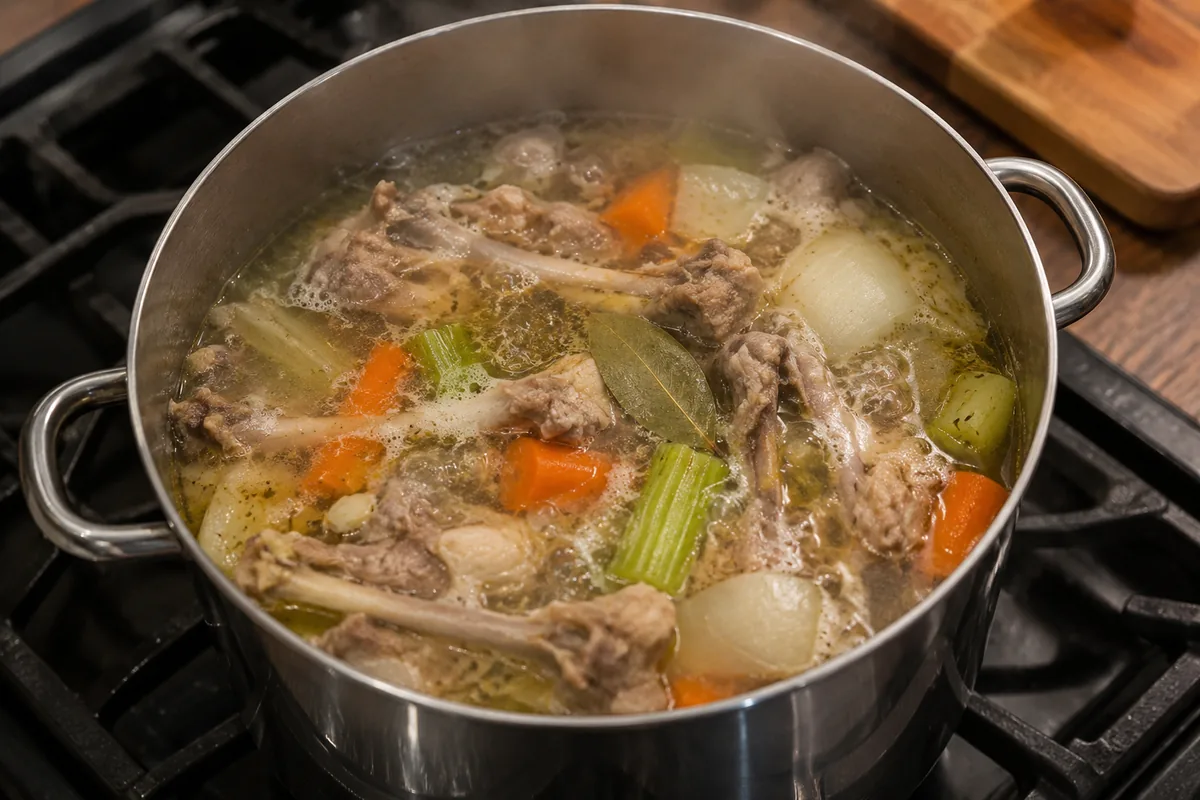
For stock, save bones in a freezer bag over a few weeks. Roasted chicken carcasses, raw wing tips, necks. When you have enough to fill a pot, cover with cold water by an inch, add an onion, a carrot, a celery rib, and a bay leaf. Bring it just to a simmer, skim the foam, then hold that bare simmer for four to six hours. Strain, cool, and chill. The next day, lift off the fat cap and check for that gel. Freeze in portions. The same patience pays off for a vegetable version, which I break down step by step in my guide on making vegetable stock at home.
For broth, start with bone in thighs or a whole cut up bird. Cover with water, add your aromatics and a real pinch of salt this time, and simmer ninety minutes to two hours. Pull the meat once it is tender, shred it for later, and return the bones for the last stretch if you want a bit more body. Strain, taste, and adjust the salt. This broth is ready to drink or to become a fast soup the same evening. If you ever run short and need a stand in for a recipe, my rundown of the best chicken broth substitute will keep dinner on track. A splash of well made stock can even rescue a flat Asian style sauce when it needs more depth without more salt.
Frequently Asked Questions
Can I use chicken broth and stock interchangeably?
Mostly yes, with small adjustments. If you swap broth for stock, cut back on added salt and expect a thinner, less rich result. If you swap stock for broth, add salt to taste and maybe a little water to lighten the body. For everyday soups the difference is minor. For sauces and risotto, stock gives a noticeably better texture because of its gelatin.
Why does my homemade stock not set like jelly?
You likely used too few bones, added too much water, or did not simmer long enough to extract gelatin. Use collagen rich parts like wings, necks, and feet, cover the bones by only about an inch, and hold a bare simmer for four to six hours. The chill test the next day will confirm whether you pulled enough gelatin out of the bones.
Is bone broth the same as stock?
Functionally they are very close. Bone broth is essentially a stock simmered much longer, often twelve hours or more, to maximize gelatin and minerals. It behaves like a concentrated stock in cooking and sets firm when chilled. The main difference is that bone broth is usually marketed for sipping, while plain stock is treated as a cooking base.
Should I salt my stock while it simmers?
For an all purpose stock, no. Leave it unsalted so you control seasoning in the final dish, especially if you plan to reduce it. Reducing a salted stock concentrates the salt and can make it too strong to use. For a broth you intend to sip right away, a moderate pinch of salt during the simmer is fine since you are not reducing it further.