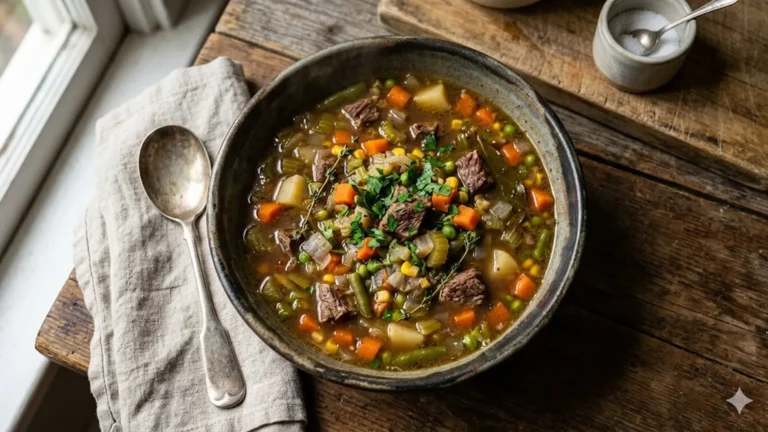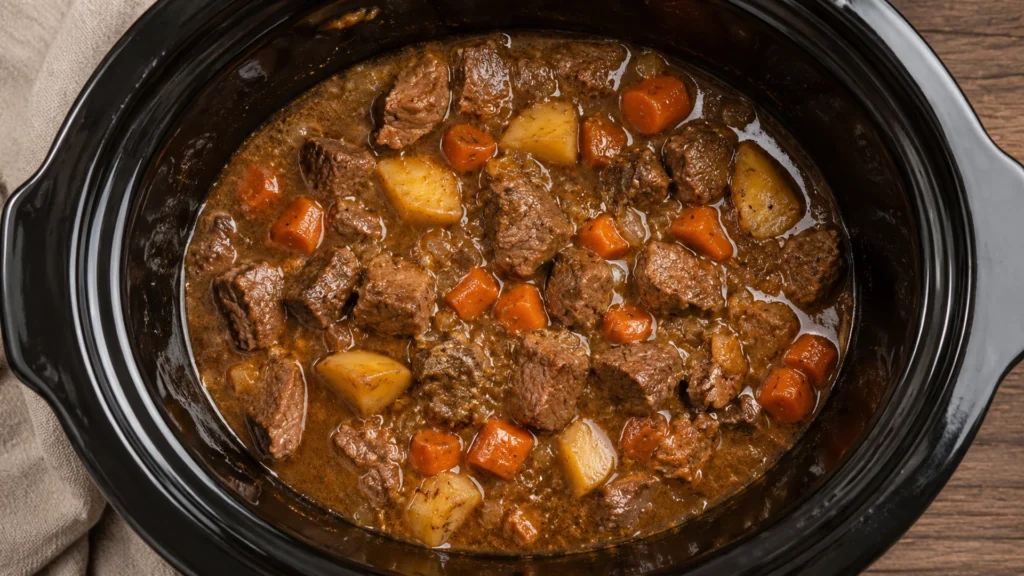
A great slow cooker beef stew comes down to three things most recipes rush past: the right cut of beef, a hard sear before it ever goes in the pot, and the patience to cook it low and slow until the meat surrenders. Do those, layer the vegetables so they cook evenly, and thicken the broth at the end, and you get the deep, glossy, fork-tender stew that the slow cooker was practically invented for. The machine does the hard part, but a few small moves at the start are the difference between a watery pot of gray cubes and a stew worth coming home to.
This guide covers the best cut to buy, why searing matters more than the convenience crowd admits, how to layer the pot, low versus high timing, three ways to thicken, and how to fix the usual problems. Everything here is about technique, so it works with whatever recipe or vegetables you like.
Start With the Right Cut: Beef Chuck
The single most important decision happens at the store. For stew, you want beef chuck, also sold as chuck roast or stewing beef. Chuck comes from the hard-working shoulder, so it is full of connective tissue and marbling, and that is exactly what you want for a long cook. Lean cuts like sirloin or round seem like the healthier, fancier choice, but they have little collagen and turn dry and stringy after hours in the pot. Chuck does the opposite: its collagen slowly melts into gelatin, basting the meat from the inside and leaving it spoon-tender.
Buy a whole chuck roast and cut it yourself into generous one-and-a-half to two-inch pieces. Pre-cut “stew meat” is convenient but often a mix of trimmings of different cuts that cook unevenly. Resist the urge to cut the cubes small; pieces that are too little fall apart and dry out before they can soak up flavor. Bigger is better here.
Always Sear the Beef First
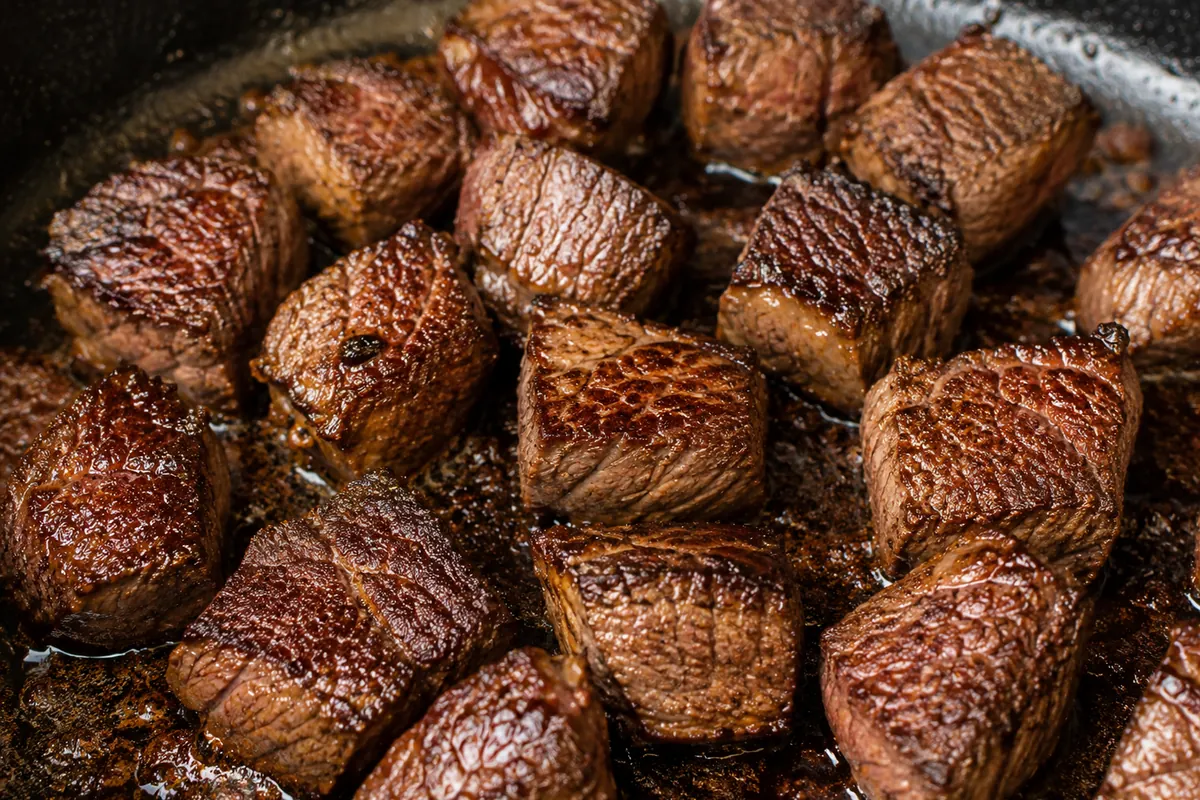
This is the step slow-cooker recipes love to skip for the sake of one less pan, and it is the one I will never give up. Searing the beef in a hot skillet before it goes in the crock builds a deep, browned crust through the Maillard reaction, and that crust is the foundation of the stew’s flavor. A slow cooker simmers; it never browns, so any savory depth has to be built before the lid goes on.
Pat the beef very dry, season it with salt, and sear it in batches in a little hot oil so the pieces brown rather than steam. Crowding the pan traps moisture and you get gray meat instead of a crust. Once the beef is browned, pour a splash of broth or wine into the hot skillet and scrape up all the browned bits stuck to the bottom, then tip that liquid into the slow cooker. Those scraped-up bits, called the fond, are pure concentrated flavor, and leaving them in the pan is leaving the best part behind. If you ever wonder whether searing is worth the extra few minutes, one side-by-side test will convince you for good.
Layer the Pot the Right Way
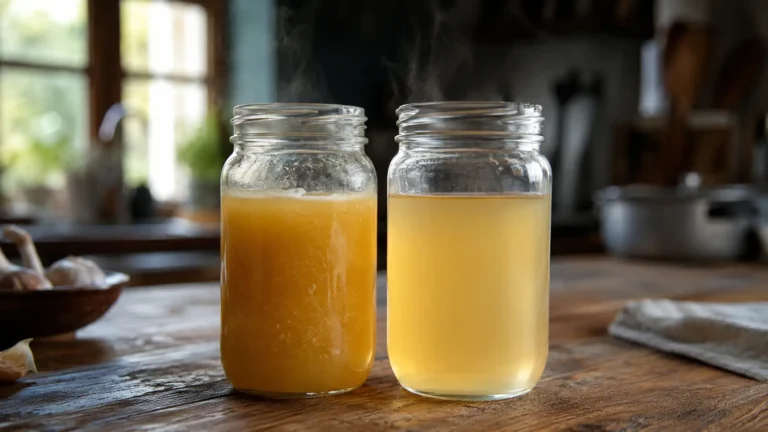
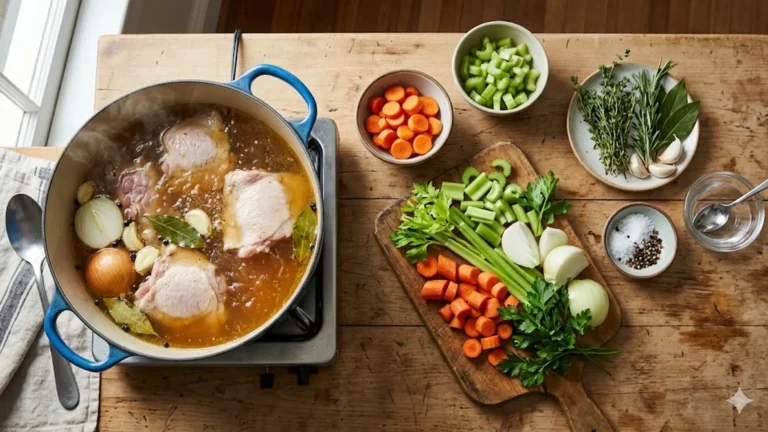
What goes where in the slow cooker matters, because the bottom cooks hottest and the heat rises slowly. Put the dense, slow-cooking vegetables like potatoes, carrots, and onions on the bottom and around the sides, closest to the heat, then nestle the seared beef on top. Pour in your liquid last. A rich homemade base makes a real difference here, and a batch of good homemade stock gives the stew a body that water and bouillon cannot match.
Then comes the hardest instruction of all: do not stir. Once everything is layered, put the lid on and leave it alone. Lifting the lid releases heat and adds fifteen to twenty minutes to the cook each time, and stirring breaks up the beef and vegetables before they are ready. The slow cooker is a set-it-and-forget-it tool, so let it work.
Low and Slow: Timing That Makes Meat Tender
Tenderness in beef stew is about time and temperature, not force. The collagen in chuck only breaks down into silky gelatin when it is held at a low, steady heat for hours, which is why a stew rushed on high can still come out chewy while the same stew on low turns meltingly soft. Whenever you have the time, choose low.
| Setting | Time | Result |
|---|---|---|
| Low | 7 to 8 hours | Best texture; meat fully tender, vegetables intact |
| High | 3 to 4 hours | Good in a pinch; meat slightly firmer |
Avoid the temptation to run it far longer than needed thinking more is better. Past a point, the vegetables collapse into mush and the meat dries out, so match the time to the setting rather than leaving it all day on high.
Three Ways to Thicken Beef Stew
Slow cookers do not reduce liquid the way an open pot does, so stew often needs help to go from soupy to luscious. All three of these methods work; pick by what you have on hand.
| Method | How |
|---|---|
| Flour-coat the beef | Toss the cubes in flour before searing; thickens as it cooks |
| Cornstarch slurry | Stir 3 Tbsp cornstarch into 1/4 cup cold water, add in the last 30 minutes |
| Mash some potatoes | Mash a few cooked potatoes and stir back in; natural and gluten-free |
For a gluten-free stew, the cornstarch slurry and the mashed-potato trick both keep it safe, which makes beef stew an easy fit in a rotation of gluten-free dinners. Whichever you choose, add it near the end and give the stew fifteen to thirty minutes uncovered on high to set.
Troubleshooting Slow Cooker Beef Stew
- Meat came out tough or chewy. Usually the wrong cut or not enough time. Use chuck, not a lean cut, and give it the full low cook so the collagen can break down. Tough meat almost always needs more time, not less.
- Stew is watery. Slow cookers do not evaporate liquid. Thicken with a cornstarch slurry or mashed potato, and use less added liquid next time since the meat and vegetables release their own.
- Vegetables turned to mush. They cooked too long or were cut too small. Use big chunks and do not run the cooker hours past done.
- Flavor is flat. You skipped the sear or under-seasoned. Brown the beef, deglaze the pan, use a real stock, and season with salt at the end to taste.
Building Flavor and Finishing the Stew
A handful of small additions take a good stew to a great one. A spoon of tomato paste browned with the aromatics adds savory depth and color. A splash of red wine in the deglaze brings acidity and complexity. A bay leaf and a sprig of thyme infuse the broth as it cooks, and a teaspoon of Worcestershire or soy sauce deepens the meaty, savory backbone without tasting of either. Quick-cooking add-ins like frozen peas go in only for the last fifteen minutes so they stay bright. Finish with a scatter of fresh parsley and a final taste for salt.
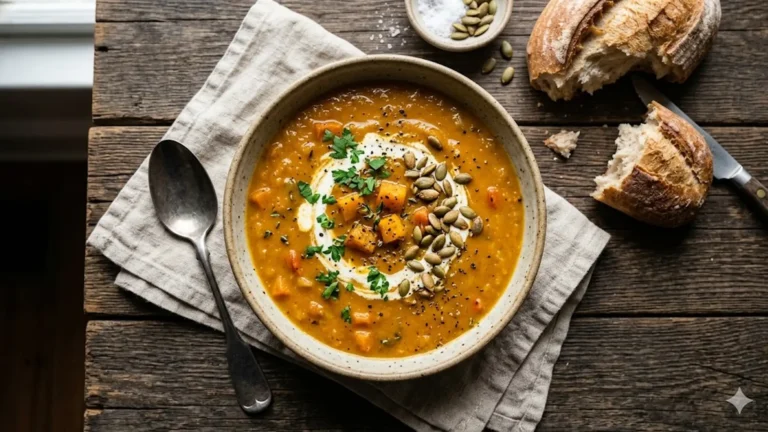
If you love this style of cozy, long-simmered cooking, it is worth keeping a few related builds in rotation, like a hearty beef and barley soup or a meatless but equally comforting sweet potato stew. For deeper dives into the science of braising tough cuts, the test kitchens at America’s Test Kitchen and Cook’s Illustrated are worth the time.
Best Vegetables and When to Add Them
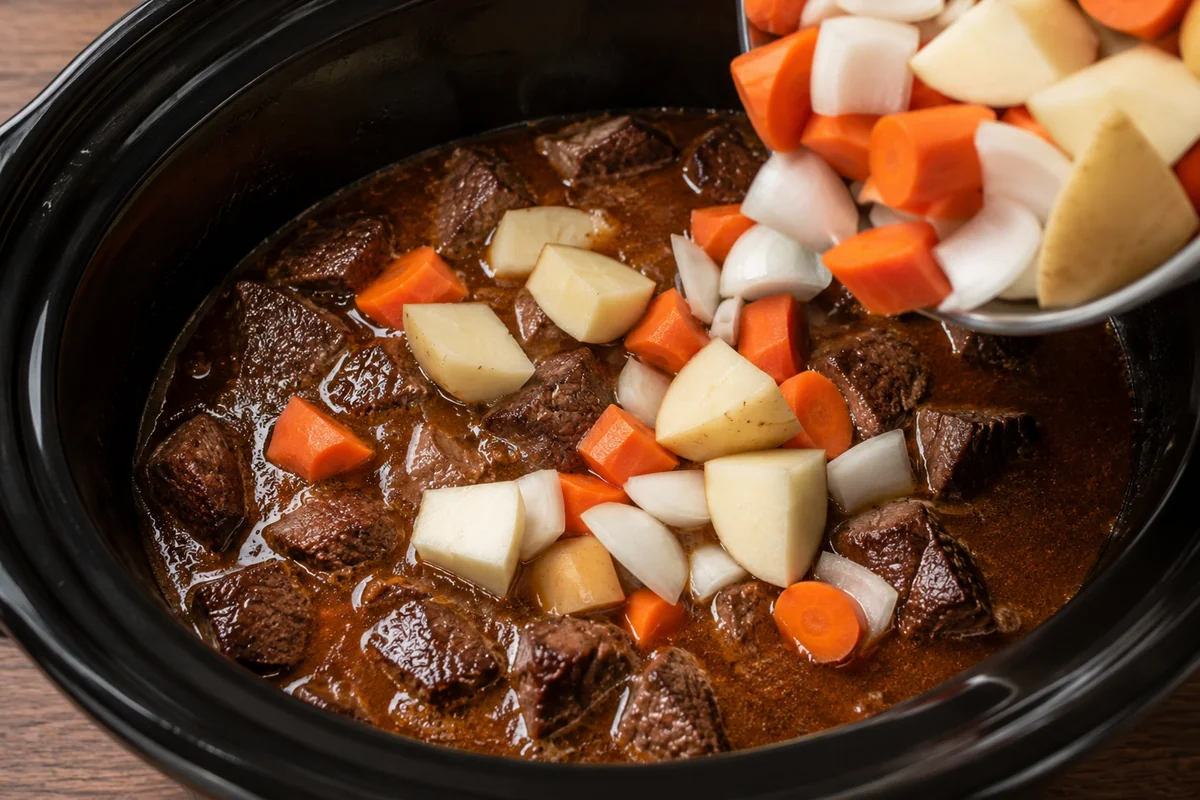
The classic trio for beef stew is potatoes, carrots, and onions, and there is good reason they have stuck around: all three are sturdy enough to hold up over a long cook without dissolving. Waxy or all-purpose potatoes like Yukon Gold hold their shape better than starchy russets, which tend to fall apart, though a few russet pieces breaking down can actually help thicken the broth. Cut everything into big, even chunks so the pieces cook at the same rate and survive the hours in the pot.
Beyond the basics, mushrooms add a deep, savory note, celery rounds out the aromatic base, and parsnips or turnips bring an earthy sweetness. The key is timing by sturdiness. Dense root vegetables go in at the start, on the bottom near the heat. Delicate, quick-cooking add-ins like peas, fresh herbs, or baby spinach belong in only for the last fifteen minutes, stirred in at the end so they keep their color and bite instead of turning to drab mush. Frozen vegetables in particular need almost no time, so treat them as a finishing touch rather than a starting ingredient.
Can You Put Raw Beef Straight in the Slow Cooker?
Yes, it is perfectly safe to put raw beef directly into a slow cooker. The appliance heats food to a temperature that cooks the meat thoroughly over its long run time, so from a food-safety standpoint there is no need to pre-cook it. Plenty of dump-and-go recipes do exactly this, and they work.
But safe and best are not the same thing. Raw beef dropped straight into the crock will be cooked and tender, yet it misses the browned crust that gives stew its deep, roasted flavor, and the broth tastes noticeably flatter as a result. So the honest answer is that you can skip the sear when you are short on time, and the stew will still be good, but if you have ten extra minutes, browning the beef first is the highest-impact thing you can do for the final flavor. Think of searing as optional for safety and close to essential for taste.
Slow Cooker, Stovetop, or Dutch Oven?
The slow cooker is not the only way to make a great stew, and it helps to know what each method is best at. The slow cooker wins on convenience and forgiveness: you can build it in the morning and come home to dinner, and the gentle, even heat makes it almost impossible to scorch. Its weakness is that it does not reduce or brown, so you do the flavor-building up front and the thickening at the end.
A Dutch oven on the stovetop or in a low oven gives the most control and the deepest flavor, because you sear, simmer, and reduce all in one pot, concentrating the broth as it cooks. It needs more attention and a couple of hours of being home. A pressure cooker is the speed option, delivering tender chuck in under an hour by forcing the collagen to break down fast, though the flavor is a touch less developed than a long braise. None of them is wrong; the slow cooker simply trades a little depth for a lot of convenience, which is exactly the trade most weeknights call for.
What to Serve With Beef Stew
Beef stew is a meal on its own, but the right side turns it into a feast, and the job of that side is almost always the same: something to soak up the rich, savory broth. Crusty bread is the classic, perfect for mopping the bowl clean, and a warm, soft dinner roll does the same job. Buttery mashed potatoes underneath the stew make it even heartier, and a bed of egg noodles, rice, or polenta stretches it to feed a crowd. If you want to lighten the plate, a simple green salad with a sharp vinaigrette cuts the richness, and quick-pickled vegetables or a spoon of horseradish on the side wake everything up. Keep the sides simple, since the stew is the star, and choose at least one thing built to catch every last drop of that broth.
Make-Ahead and Storage
Beef stew is one of those dishes that tastes even better the next day, once the flavors have had a night to settle and deepen. It keeps in the fridge for three to four days in an airtight container and freezes well for up to three months. If you plan to freeze it, slightly undercook the potatoes, since they can turn grainy after thawing, or leave them out and add fresh ones when you reheat. Warm leftovers gently on the stove or in the slow cooker, adding a splash of stock if it has thickened too much in the fridge. A double batch is barely more work than a single, so it is worth cooking once and banking a few dinners.
Frequently Asked Questions
What is the best cut of beef for slow cooker stew?
Beef chuck, also called chuck roast or stewing beef, is the best choice. Its connective tissue and marbling break down over a long, low cook into gelatin, leaving the meat fork-tender. Lean cuts like sirloin or round dry out and turn stringy, so avoid them for stew.
Do I have to sear the beef before slow cooking?
You do not have to, but searing dramatically improves the flavor. Browning the beef builds a savory crust through the Maillard reaction that a slow cooker cannot create on its own. Sear in batches, then deglaze the pan and add those browned bits to the pot for the deepest flavor.
Should I cook beef stew on low or high?
Low is better. Cook on low for 7 to 8 hours so the collagen in the beef has time to melt into gelatin and the meat turns tender. High for 3 to 4 hours works in a pinch but gives slightly firmer meat and a less developed flavor.
How do I thicken slow cooker beef stew?
Three reliable methods: toss the beef in flour before searing, stir in a cornstarch slurry in the last thirty minutes, or mash a few of the cooked potatoes and stir them back in. The cornstarch and mashed-potato options keep the stew gluten-free.
Why is my slow cooker beef stew watery?
Slow cookers trap moisture and do not evaporate liquid like an open pot, and the meat and vegetables add their own. Use less added liquid, then thicken at the end with a cornstarch slurry or mashed potato and let it set uncovered on high for a bit.
Can you overcook beef stew in a slow cooker?
Yes. Past the point of doneness, the vegetables break down into mush and even fatty chuck can dry out. Match the cook time to the setting rather than leaving it running all day, and check it around the lower end of the time range.
Bottom Line
A standout slow cooker beef stew is built on a few non-negotiables: choose well-marbled chuck and cut it into big pieces, sear it hard and deglaze the pan before anything goes in the crock, layer the dense vegetables on the bottom, and cook it low and slow until the collagen turns to silk. Thicken at the end, season to taste, and resist the urge to lift the lid. Do that and the machine handles the rest, turning an inexpensive cut and a few humble vegetables into the kind of deep, tender, comforting bowl that makes the whole house smell like dinner.