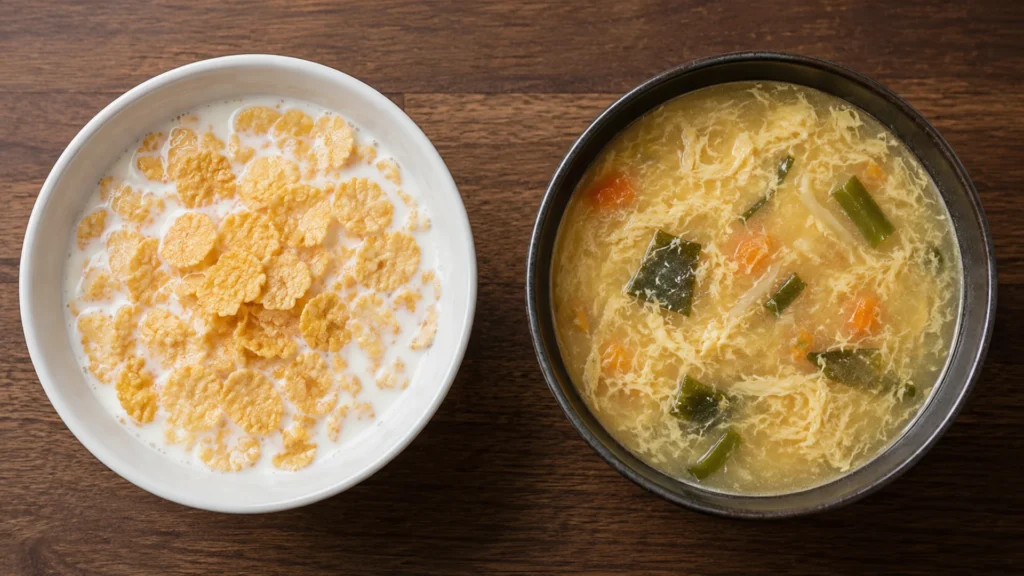
Is cereal a soup? The honest answer is that it depends entirely on which definition you trust, and that is exactly why the argument never dies. By the strict dictionary definition, cereal is not a soup, because soup is built on a savory stock or broth and cereal is not. By pure structure, though, a bowl of cornflakes in milk looks an awful lot like a cold soup: a liquid base with solid pieces floating in it, eaten from a bowl with a spoon. Both sides have a real point, which is why your friend who insists cereal is soup is not as wrong as you want them to be.
As someone who thinks about soup for a living, I find this debate genuinely useful, because picking it apart forces you to define what a soup actually is. So let’s do that properly: the definition, the best arguments on each side, the internet frameworks people use to settle it, and a verdict you can defend at the dinner table.
The Short Answer
If you want a single ruling: cereal is not a soup in any culinary or dictionary sense, but it is soup-shaped. It shares soup’s basic form, a liquid with solids suspended in it, while failing soup’s defining tests of being savory and stock-based. So the people saying “no” have the definitions on their side, and the people saying “yes” have the visual structure on theirs. The debate persists because the two camps are quietly arguing about different things, one about ingredients and the other about form.
What Actually Makes a Soup a Soup?
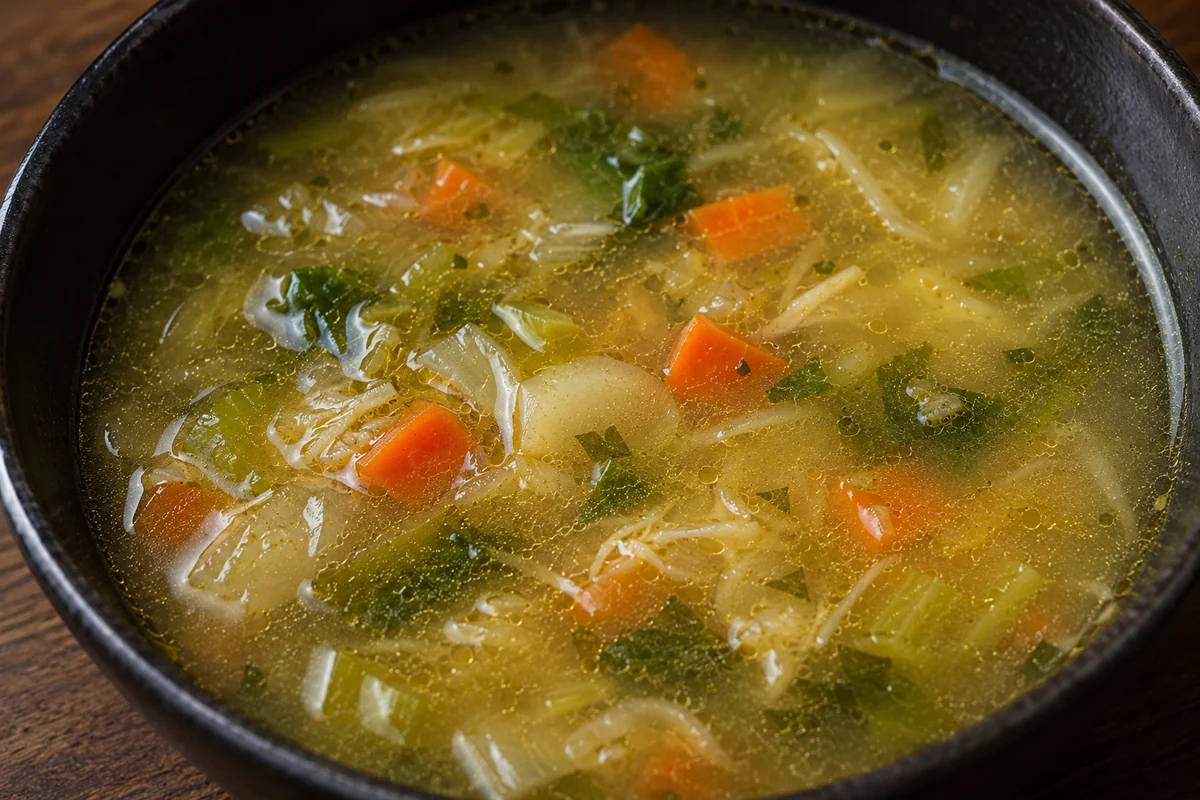
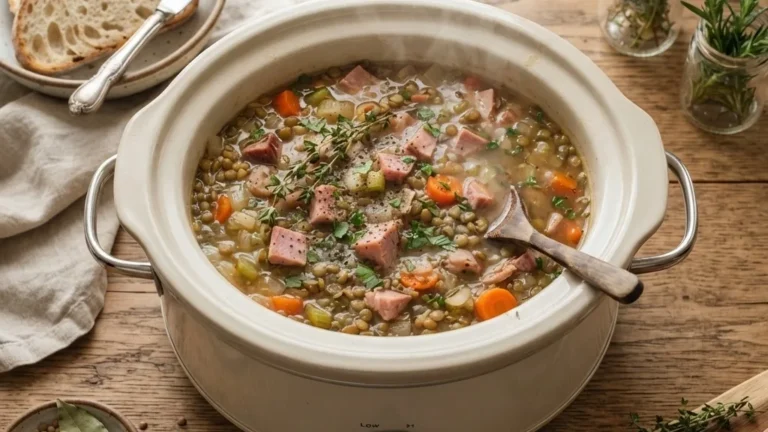
To judge cereal fairly, you need a yardstick. Most dictionaries and food references define soup as a liquid food made by simmering or cooking ingredients, typically meat, fish, or vegetables, in stock or water. The reference works at Britannica and Dictionary.com both frame soup around a savory liquid base and ingredients that are cooked together into the dish. Three features show up again and again in those definitions:
- A liquid base, usually stock, broth, or water that has taken on flavor.
- Solid ingredients suspended in that liquid, like vegetables, meat, grains, or noodles.
- Cooking together, so the liquid and solids exchange flavor and become one cohesive dish.
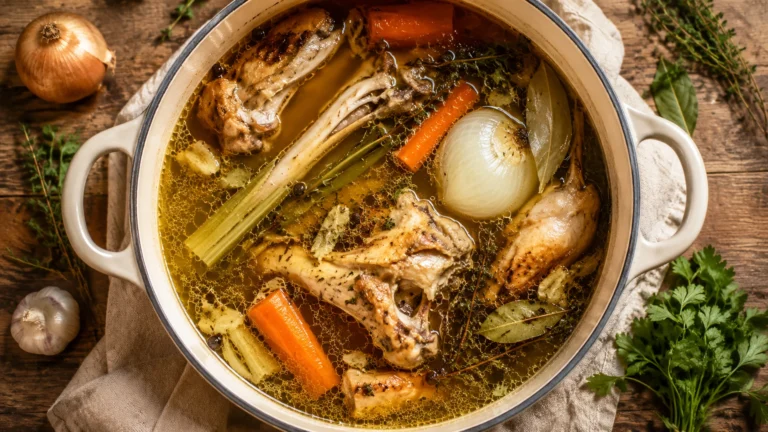
That last point is the quiet heavyweight. A real soup is the product of its ingredients cooking into the liquid, which is why a good broth tastes of everything that simmered in it. It is also why understanding a proper base, like a long-simmered homemade chicken stock, tells you more about what soup is than any single ingredient does.
The Case That Cereal IS a Soup
The pro-soup camp starts with structure, and it is a strong opening. Put a bowl of cornflakes and milk next to a bowl of chicken and rice soup and the parallels are obvious: a liquid base, solid pieces floating in it, served in a bowl, eaten with a spoon. By that visual logic, cereal is a soup the way a square is a rectangle.
The camp also dismantles two common objections. First, temperature: people say cereal cannot be soup because it is cold, but plenty of soups are served chilled, from gazpacho to vichyssoise to chilled fruit soups. Cold does not disqualify a dish from being soup. Second, the milk: critics say milk is not a soup base, but cream-based soups like potato soup, clam chowder, and broccoli cheddar are all built on dairy. If milk can be the base of a chowder, the argument goes, why not of cereal? It is a tidy case, and it is the reason the question is not as silly as it first sounds.
The Case That Cereal Is NOT a Soup
The opposing camp leans on the definitions, and this is where cereal runs into trouble. Several differences separate it from soup in any traditional sense.
| Test | Soup | Cereal |
|---|---|---|
| Base | Savory stock, broth, or flavored liquid | Plain milk, added at serving |
| Flavor profile | Usually savory | Usually sweet |
| Cooked together? | Yes, ingredients simmer into the liquid | No, assembled raw at the table |
| Meal | Lunch or dinner | Breakfast |
The strongest point is that cereal is never cooked into its milk. Soup becomes a single, blended thing through cooking; cereal is just dry pieces sitting in cold liquid that they slowly turn soggy in. There is no exchange of flavor, no simmering, no melding. Add the facts that soup is defined as savory and stock-based while cereal is sweet and milk-based, and that culture firmly files cereal under breakfast rather than the lunch-and-dinner world of soup, and the dictionary verdict is clear: cereal is not soup.
The Cube Rule and Other Internet Frameworks
No food taxonomy debate is complete without the internet’s homemade classification systems, and they are more fun than they have any right to be. The most famous is the “cube rule,” which classifies foods by where the starch sits, a framework that cheerfully declares a hot dog a taco and sushi a sandwich. By such structural logic, cereal-in-milk lands squarely in soup territory, since it is starch suspended in liquid. Other frameworks sort foods by preparation or cultural role, which pushes cereal back out of the soup category because it is assembled cold and eaten at breakfast. The lesson of these systems is that any definition you pick will produce a few absurd results somewhere, which is half the reason the cereal question is so sticky. There is no taxonomy that satisfies everyone.
So What Is the Verdict?
Here is where I will plant a flag. By definition, cereal is not a soup: it lacks a savory stock base and, crucially, it is never cooked into its liquid, which is the act that actually makes a soup a soup. By structure, cereal is undeniably soup-adjacent, a liquid with solids in a bowl, and that resemblance is real enough to keep the joke alive forever. So the satisfying answer is both honest and a little annoying: cereal is shaped like a soup but is not one, the same way a tomato is botanically a fruit that no one puts in a fruit salad. As the food writers at Food Republic and The Takeout both conclude after weighing it all, there is no single right answer, only a better-defended one.
Where the Cereal Debate Came From
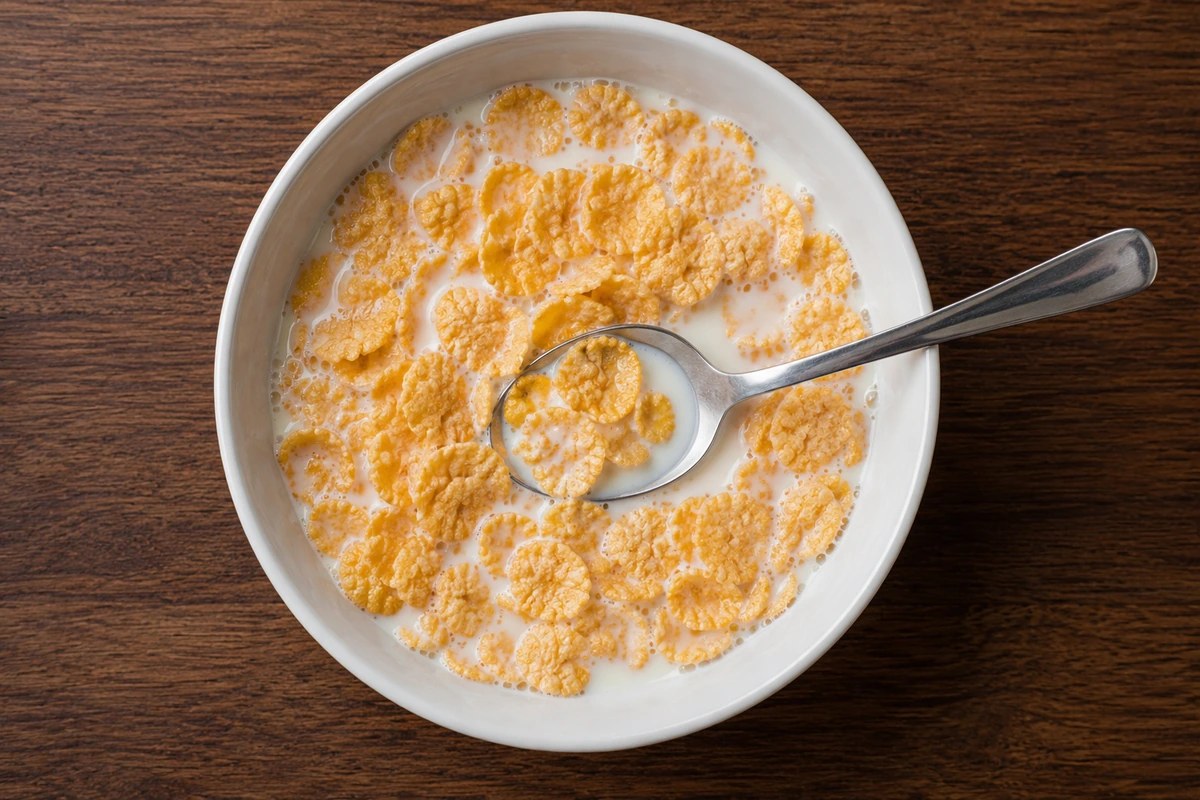
The cereal-as-soup question is not ancient kitchen philosophy; it is a creature of the internet. It bubbles up every year or two as a viral poll, a dorm-room argument, or a comment thread that spirals into hundreds of replies, and it spreads precisely because it is the perfect low-stakes disagreement. Everyone has eaten cereal, everyone has eaten soup, and almost everyone has a gut reaction that feels obviously correct until someone pokes at it. It belongs to the same family of arguments as whether a hot dog is a sandwich, where the fun is not in being right but in discovering that your confident definition falls apart at the edges. Food taxonomy turns out to be far blurrier than our tidy mental categories suggest, and the cereal question is the friendliest possible way to learn that.
Other Foods Caught in the Same Net
Cereal is not the only dish that lives on the fuzzy border of the soup category. Once you start applying definitions, a surprising number of foods get interesting, and thinking them through sharpens your sense of what soup actually is.
- Chili. The eternal question of whether chili is a soup or a stew. It is a savory mix of solids in a liquid, cooked together, which clears the soup bar easily; most people call it a stew because it is thick and chunky, but it is firmly in the soup family.
- Ramen. Unambiguously a soup. A savory broth, simmered with aromatics, with noodles and toppings added; it is one of the most refined soups on earth.
- Congee and porridge. Rice simmered in a large amount of liquid until it breaks down. Savory congee reads as a soup; sweet breakfast porridge sits closer to cereal’s side of the line.
- Gazpacho. A cold blend of raw vegetables. It is a soup by tradition and definition despite never being heated, which is the precedent the pro-cereal camp loves to cite.
What separates the clear soups on this list from cereal is the same thing every time: they are savory and their ingredients are cooked, blended, or steeped into the liquid until the dish becomes one unified thing. Cereal is the outlier because it skips that step entirely.
Is Oatmeal a Soup, Then?
If cereal sparks the debate, oatmeal is the fascinating follow-up, because it actually has a better claim. Oatmeal is grains cooked in liquid until they soften and the whole thing thickens into a cohesive bowl, which is much closer to the simmering-together that defines soup than cold cereal ever gets. Yet almost no one calls oatmeal a soup either, and the reasons are instructive: it is sweet rather than savory, it is eaten at breakfast, and its texture is a thick porridge rather than a brothy liquid. Oatmeal shows that even passing the cooking test is not enough on its own. A dish also has to land in soup’s savory, meal-time, brothy territory before our instincts will file it there, which is why a savory bowl of congee feels like soup and a sweet bowl of oatmeal does not.
Why This Silly Debate Is Actually Useful
It is easy to dismiss the cereal question as a way to waste a lunch break, but it does something worthwhile: it makes you articulate what a soup really is. And the answer that keeps surfacing is that soup is defined less by its bowl-and-spoon form than by its method, the simmering together of ingredients in a flavorful liquid until they become one thing. That is the difference between assembling and cooking, and it is the whole craft of soup in a sentence.
Once you see soup that way, you start to appreciate what separates a great bowl from a sad one. It is the depth a real base brings, like the silky body of a stock-built broth, and the way a long, gentle simmer melds humble ingredients into something far greater than their parts. A creamy bowl such as lemon chicken soup or a rich beef stroganoff soup is unmistakably soup precisely because everything in it was cooked together into one harmonious dish, which is exactly what a bowl of cereal never does. Cereal, meanwhile, keeps its rightful place at breakfast, where it belongs.
Does the Label Even Matter?
In any practical sense, no, and that is worth saying out loud. Nobody is going to cook, store, or enjoy their cereal differently based on the ruling, and the food police are not coming to reclassify your breakfast. The value of the debate is not the verdict but the thinking it forces, the same way arguing about whether a hot dog is a sandwich quietly teaches you how loose and culturally loaded our food words really are. Categories are tools we invent for convenience, not laws of nature, and they fray at the edges precisely because real food is more varied than our handful of labels.
Where the distinction does start to matter is in the kitchen. The moment you decide that what makes a soup a soup is the cooking-together of ingredients in a savory liquid, you have learned something that changes how you cook. You stop thinking of soup as “stuff in a bowl with liquid” and start thinking of it as a method, a slow coaxing of flavor from humble parts into a single, satisfying whole. That mental shift is the difference between a thin, watery bowl and one with real depth. So let the cereal argument run as long as it likes at the breakfast table; the useful part is what it teaches you to do at the stove. A definition you can defend is a small thing, but a technique you understand will feed you for years, and the cereal question is a surprisingly good doorway to the second.
Frequently Asked Questions
Is cereal technically a soup?
By the dictionary definition, no. Soup is a savory dish built on stock or broth with ingredients cooked together, while cereal is sweet, milk-based, and assembled cold without cooking. Cereal shares soup’s basic structure of solids in a liquid, but it fails the key tests of being savory and being cooked into its base.
If cold soups exist, why isn’t cereal a soup?
Cold soups like gazpacho and vichyssoise still start as savory ingredients cooked or blended into a cohesive dish, then chilled. Cereal is never cooked into its milk; it is dry pieces sitting in cold liquid. Temperature is not the disqualifier, but the lack of cooking and a savory base is.
Is cereal a soup or a salad?
Neither, strictly speaking. Some internet frameworks jokingly classify it as a soup because it is solids in a liquid, but it fits no traditional definition of soup or salad. It is its own thing: breakfast cereal in milk, a category that predates the debate.
What is the actual definition of soup?
Most references define soup as a liquid food made by cooking or simmering ingredients such as meat, fish, or vegetables in stock or water, usually savory, with the solids and liquid melding into one dish. The cooking-together step is what most clearly separates soup from a cold assembly like cereal.
Why do people argue that cereal is a soup?
Because structurally it looks like one: solid pieces suspended in a liquid, served in a bowl and eaten with a spoon. Supporters point out that cold soups exist and that cream and milk are legitimate soup bases, which makes the comparison harder to dismiss than it first appears.
Is milk a valid soup base?
Milk and cream are valid bases for certain soups, like chowders and bisques, but in those dishes the dairy is cooked with savory ingredients into a unified soup. Plain cold milk poured over cereal at the table is not cooked or seasoned, so it does not function as a soup base in the culinary sense.
Bottom Line
Is cereal a soup? No, not by any real culinary or dictionary standard, because soup is savory, built on a flavorful liquid, and cooked into one cohesive dish, while cereal is sweet, milk-based, and simply assembled cold. But it is close enough in shape to keep the argument alive forever, and that is fine. The real prize in the debate is what it reveals: a soup is defined by the simmering of ingredients into a flavorful whole, not by the bowl it comes in. Understand that, and you understand soup, which matters a great deal more than where cereal lands. So enjoy the argument for what it is, a harmless bit of fun, and then go put the lesson to work on a pot of something genuinely worth simmering.