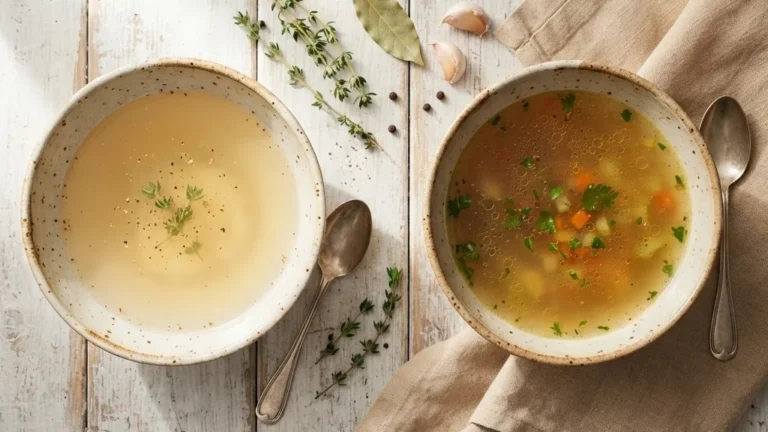
If you want to know how to thicken soup without ending up with a pot of gluey paste or a floury aftertaste, the trick is matching the method to the soup. A starch slurry of cornstarch and cold water is the fastest fix and works in almost anything. Blending part of the pot is the cleanest, since it adds body using ingredients already there. A roux or a knob of butter-and-flour paste gives the richest, most velvety result. And for a creamy soup, a splash of cream and a few minutes of simmering does the job on its own. Pick the right one and a thin, watery soup becomes the silky, spoon-coating bowl you were after.
This guide runs through every reliable method, the exact ratios, which soup each one suits, how to avoid lumps and curdling, and the gluten-free options. None of it is difficult; it is mostly about knowing which lever to pull.
The Quick Answer: Match the Method to the Soup
Before the details, here is the cheat sheet. Brothy soup that you want to stay clear: use a starch slurry. Chunky soup with potatoes, beans, or vegetables: blend some of it. Rich, classic soup like chowder or a creamy bisque: use a roux or cream. In a hurry with no starch on hand: simmer it down to reduce. Each works, but using the wrong one, like trying to blend a clear consomme or dumping flour into a delicate broth, is how soups go wrong.
| Method | Best for | Gluten-free? |
|---|---|---|
| Starch slurry | Brothy soups, quick fixes, stir-fry-style | Yes (cornstarch, arrowroot, tapioca) |
| Blend / puree | Vegetable, bean, potato, lentil soups | Yes |
| Roux | Chowders, gumbo, classic cream soups | No (use GF flour to adapt) |
| Beurre manie | Last-minute thickening of any savory soup | No |
| Cream / dairy | Tomato, bisque, creamy vegetable soups | Yes |
| Reduce (simmer down) | Any soup, when you have time | Yes |
Method 1: The Starch Slurry
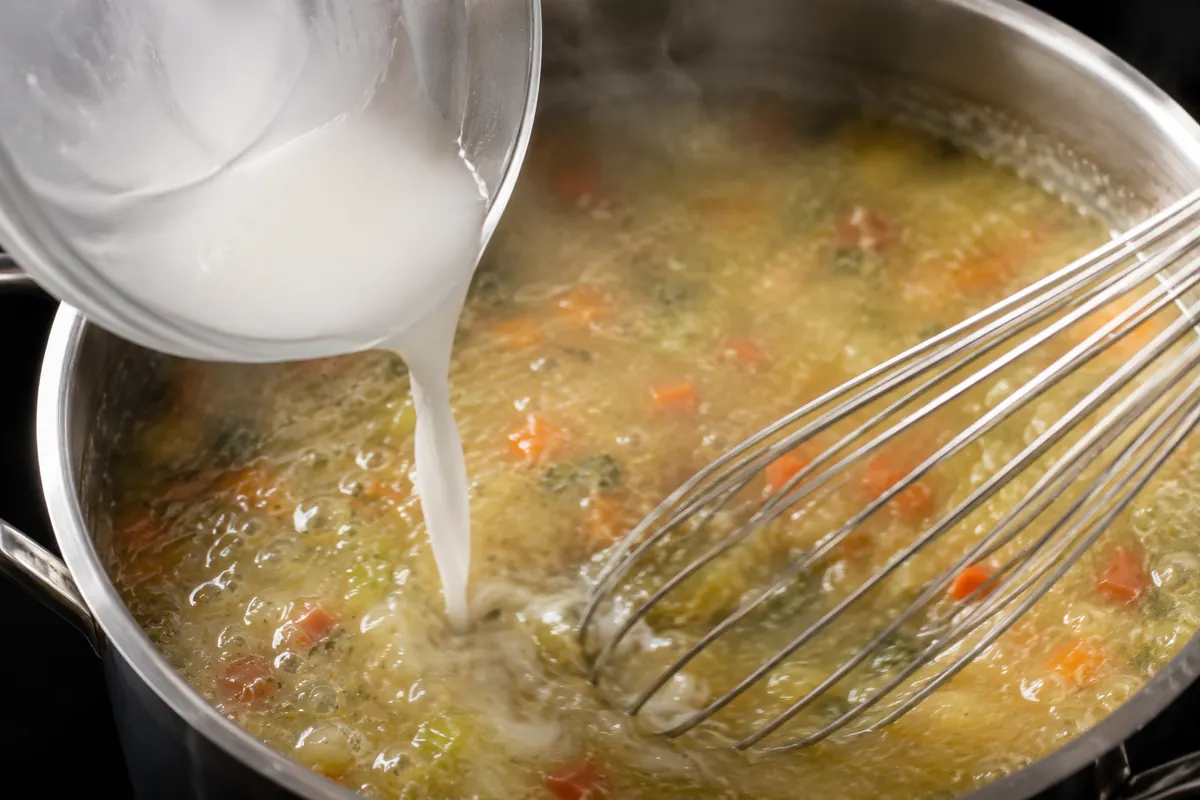
This is the fastest and most reliable method, and the one to reach for first. Whisk together two parts cold water with one part starch, such as cornstarch, arrowroot, tapioca, or potato starch, until smooth. Then drizzle the slurry into the simmering soup a little at a time while whisking, bring it to a gentle boil, and cook for about five minutes so the starch loses its raw taste and reaches full thickening power. The soup will thicken further as it cools, so stop just shy of the consistency you want.
Two rules keep it lump-free. First, always mix the starch into cold liquid before it touches the hot soup; sprinkling dry starch straight into the pot guarantees lumps. Second, add it gradually and judge as you go, since it is easy to add more but impossible to take it back out. Cornstarch gives a glossy finish, while arrowroot and tapioca are good gluten-free options that stay clear, which makes the slurry the natural choice for the thickening step in a slow cooker beef stew where you want the broth glossy and the meat untouched.
Method 2: Blend or Puree Part of the Soup
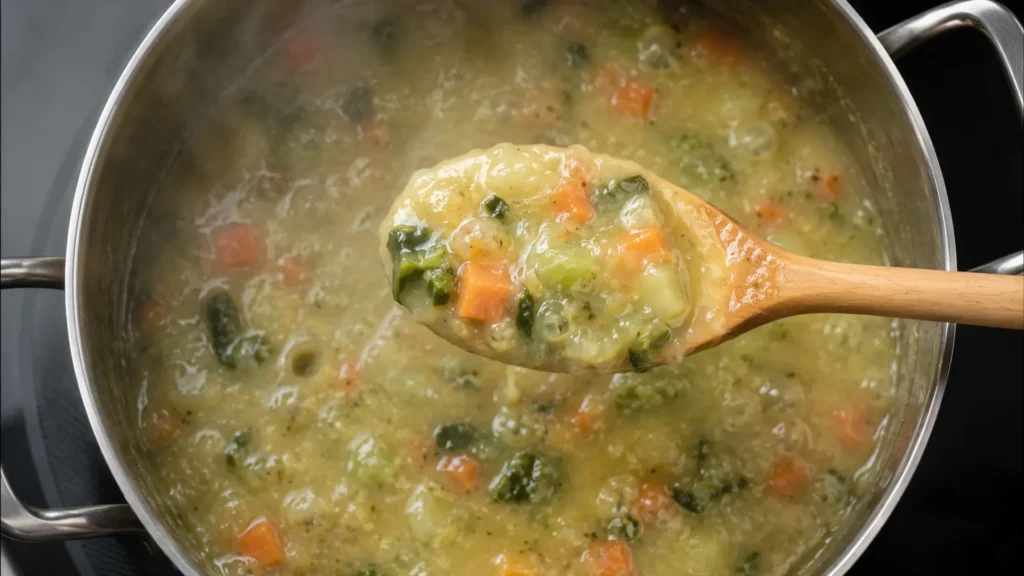
For any soup with starchy or soft ingredients, this is my favorite method because it adds body using what is already in the pot, with no extra ingredient and no dilution of flavor. Scoop out a cup or two of the soup, blend it smooth in a blender or with an immersion blender right in the pot, and stir it back in. Soups built on potatoes, beans, lentils, winter squash, or plenty of vegetables thicken beautifully this way, which is exactly why a hearty bowl like a sweet potato and black bean stew can be made luxuriously thick without a drop of cream.
Blend more for a thicker, smoother soup and less to keep some texture. If you do not have a blender, simply mash some of the potatoes or beans against the side of the pot with a fork or potato masher; it is the same idea with less cleanup. This method is naturally gluten-free and dairy-free, and it tends to make a soup taste more of itself rather than less.
Method 3: Roux
A roux is the classic, restaurant-grade way to thicken, and it is what gives chowders and cream soups their signature velvety body. It is equal parts by weight of flour and fat, usually butter, cooked together into a paste before liquid is added. Melt the butter, whisk in the flour, and cook for a minute or two for a pale roux or longer for a deeper, nuttier brown roux like the kind that anchors a gumbo. Then whisk in your warm stock gradually so it stays smooth. You can build the roux at the start of the soup or make it separately and whisk it in.
The one caution is to cook the flour long enough to lose its raw, pasty taste, which usually means letting the soup simmer for several minutes after the roux goes in. A roux is not gluten-free as written, but a measure-for-measure gluten-free flour blend works in its place. For the finer points of cooking a roux to different shades, the test kitchen at America’s Test Kitchen is a reliable reference.
Method 4: Beurre Manie, the Last-Minute Fix
Beurre manie is a roux’s quicker cousin and a brilliant rescue when a finished soup turns out too thin. Knead together equal parts soft butter and flour into a smooth paste with your fingers, then whisk small pieces into the simmering soup. Bring it to a boil and cook for a few minutes until the flour taste cooks out and the soup thickens. Because the butter coats the flour, it disperses without lumping, which makes it the most forgiving flour-based method. Keep a little in the fridge and you can thicken almost any savory soup at the last second.
Method 5: Cream and Dairy
For soups that are meant to be rich, a splash of heavy cream both thickens and smooths, especially after a few minutes of simmering to reduce slightly. Cream cheese, mascarpone, or a spoon of plain yogurt also add body. The key is to avoid curdling: temper dairy by stirring a little hot soup into it first, add it toward the end over gentle heat rather than a hard boil, and be especially careful with acidic, tomato-based soups, which can split dairy that is added carelessly. For a dairy-free version, full-fat coconut milk or a cashew cream thickens just as well and keeps the soup vegan. Food publications like Bon Appetit have plenty of creamy soups that lean on these techniques if you want to see them in action.
Method 6: Reduce It Down
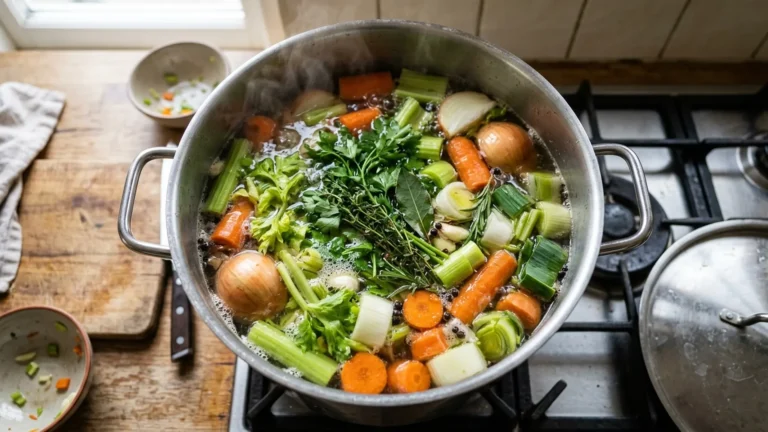
The simplest method of all needs no ingredients, only time. Let the soup simmer uncovered and the water evaporates, concentrating both the body and the flavor. This works in any soup and is often the best choice when you do not want to change the character of the bowl at all. The trade-off is that it is slow and it concentrates the salt, so reduce first and adjust the seasoning afterward. It is also why a soup built on a rich, gelatin-heavy stock often needs no thickener at all, since reducing it brings the natural body forward.
Natural Thickeners You Already Have
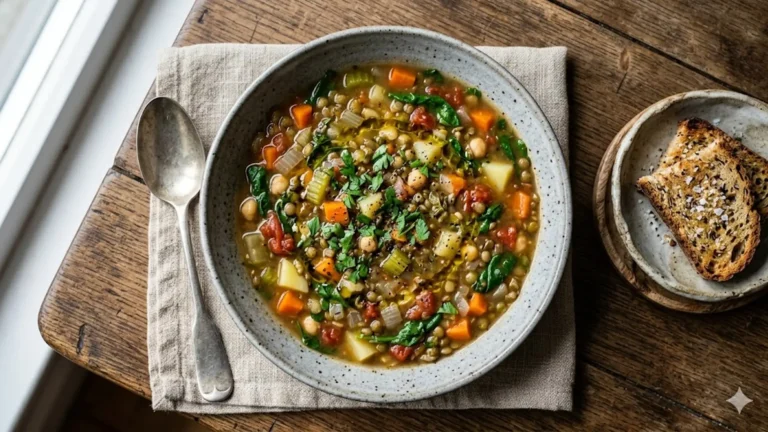
Beyond the main methods, plenty of pantry staples add body. A handful of rice, a chopped potato, or a few tablespoons of red lentils simmered into the soup will break down and thicken it while adding substance. Stale bread, the secret behind many rustic Italian and Spanish soups, dissolves into a silky thickness. Even a spoonful of instant mashed potato flakes will quietly thicken a pot in a pinch. These add-ins are mostly gluten-free, with the obvious exception of bread, and they double as a way to stretch a soup to feed more people.
How to Fix a Soup That Is Too Thick
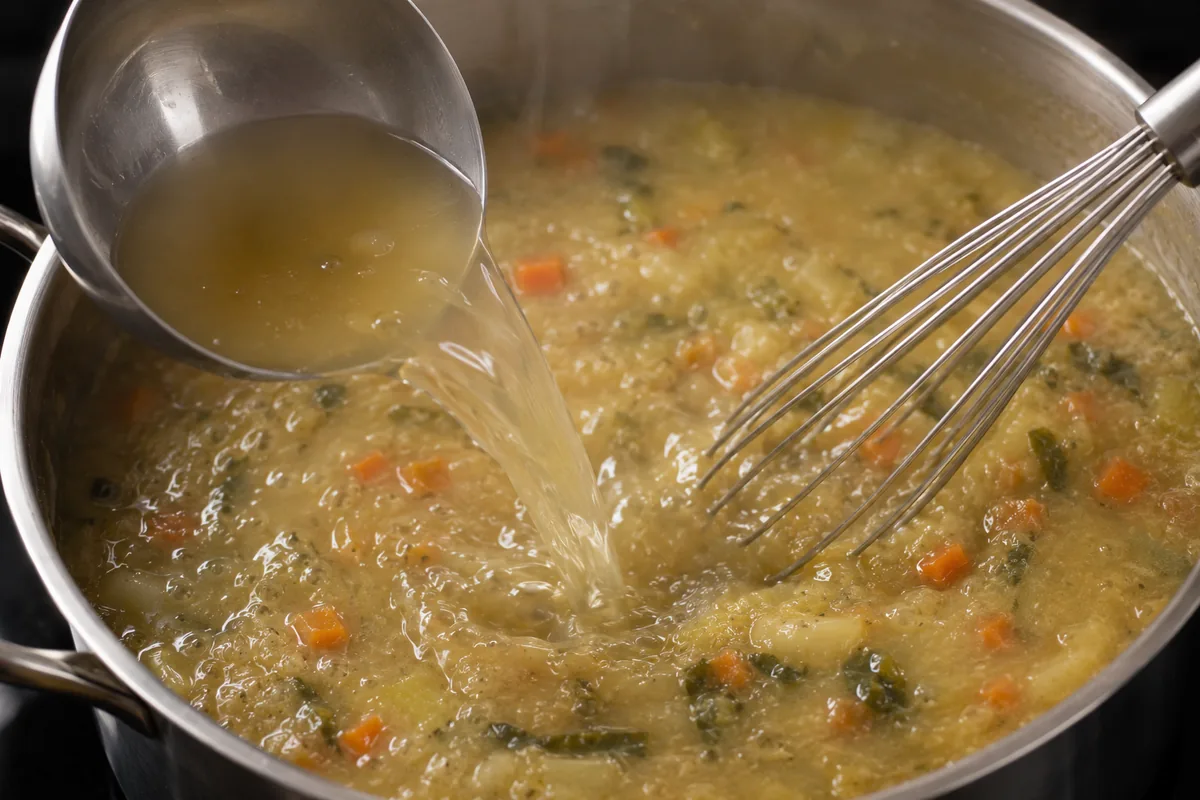
Thickening is easy to overshoot, so it is worth knowing the reverse. If a soup turns out gluey or stodgy, simply whisk in more warm liquid, ideally the same stock or broth the soup is based on so you do not dilute the flavor, until it loosens to the consistency you want. Add it gradually and re-check the seasoning afterward, since thinning also dilutes the salt. Starch-thickened soups in particular keep firming up as they sit and after refrigeration, so expect leftovers to need a splash of stock or water when you reheat them.
Common Soup-Thickening Mistakes
Most thickening failures come down to a handful of avoidable errors. Steer around these and your soup comes out right the first time.
- Adding dry starch or flour to hot soup. This is the number one cause of lumps. Always make a cold-water slurry first, or coat the flour in fat as a roux or beurre manie before it meets the hot liquid.
- Not cooking the starch out. Both cornstarch and flour need a few minutes at a simmer to reach full thickening power and to lose their raw, chalky taste. Pulling the pot too soon leaves a thin, pasty-tasting soup.
- Over-thickening. Thickeners keep working as the soup sits, so a pot that looks perfect on the stove can turn stodgy by the time it is served. Stop just short and let it settle.
- Boiling dairy hard. A rolling boil curdles cream and yogurt, especially in acidic soups. Add dairy late and keep the heat gentle.
- Thickening to mask a thin flavor. Body and flavor are not the same thing. If a soup tastes weak, it usually needs salt, acid, or a better base, not more starch.
How to Thicken Specific Soups
The best method shifts a little depending on what is in the bowl, so here is how I approach the most common ones.
Tomato soup
Tomato soup thickens best by blending, since the tomatoes themselves provide body once pureed smooth. A splash of cream both thickens and tames the acidity, but add it gently off a hard boil so it does not split.
Potato or vegetable soup
These are made for the blend-or-mash method. Puree a portion and stir it back in for a velvety texture with no added ingredient. A diced potato simmered in almost any soup will quietly thicken it as it breaks down.
Chicken noodle and brothy soups
Keep these clear and light with a small cornstarch or arrowroot slurry rather than a roux, which would cloud the broth. Often a brothy soup does not need thickening at all if it is built on a rich, gelatin-heavy stock, which sets up with natural body on its own.
Chili and bean soups
Mash some of the beans against the side of the pot, or blend a ladleful and return it. A spoon of cornmeal or masa simmered in also thickens chili while adding a subtle, traditional corn flavor.
How Thick Should Soup Be?
There is no single right answer, only what suits the bowl. A consomme or a clear noodle soup should stay thin and brothy, where the pleasure is in the clean, savory liquid. A chowder or bisque wants enough body to coat the back of a spoon, while a hearty stew should be thick enough to mound slightly rather than pool. A good test is to drag a spoon through the soup: a brothy soup closes back over the trail instantly, while a properly thickened cream soup holds the line for a moment before settling. Aim for the texture that fits the dish you are making rather than thickening for its own sake, and remember you can always loosen an over-thick pot with a little stock. A rich base like a homemade chicken stock gives you a head start, since it carries body of its own before you thicken anything at all, and it slots neatly into a rotation of allergy-friendly gluten-free dinners.
Thickeners and the Freezer
If you batch-cook and freeze soup, the thickener you choose matters. Cornstarch and flour-based soups can turn spongy or weep a little water after freezing and thawing, because the starch structure breaks down in the cold. Pureed soups and those thickened with cream hold up much better. The simplest workaround is to freeze the soup slightly thin and unthickened, then thicken it fresh when you reheat, which takes only a couple of minutes with a slurry. However you store it, expect any starch-thickened soup to firm up in the fridge, so keep a little stock or water on hand to loosen it back to the right consistency when you warm it through.
Frequently Asked Questions
What is the easiest way to thicken soup?
A cornstarch slurry is the quickest and most reliable. Whisk one part cornstarch into two parts cold water, drizzle it into the simmering soup while stirring, then boil for about five minutes. It works in almost any soup and is naturally gluten-free.
How do I thicken soup without flour or cornstarch?
Blend or mash part of the soup, especially if it contains potatoes, beans, lentils, or vegetables, and stir it back in for instant body. You can also add cream or coconut milk, stir in starchy ingredients like rice or potato, or simply simmer the soup uncovered to reduce and concentrate it.
How can I thicken soup that is gluten-free?
Use a slurry made with cornstarch, arrowroot, tapioca, or potato starch, blend part of the soup, add cream or coconut milk, or stir in rice, potato, or pureed beans. All of these thicken effectively without any wheat flour. A measure-for-measure gluten-free flour blend can also stand in for a roux.
Why is my soup lumpy after I tried to thicken it?
Lumps come from adding dry starch or flour straight into hot soup. Always mix starch into cold water first to make a smooth slurry, or coat flour in fat as in a roux or beurre manie, then whisk it in gradually. Straining or a quick blend can rescue a lumpy pot.
Will soup thicken as it cools?
Yes, especially soups thickened with starch, which continue to set as they cool and after refrigeration. Stop thickening just before the consistency looks right, and expect to loosen leftovers with a splash of stock or water when you reheat them.
How do I keep cream from curdling when thickening soup?
Temper the dairy by stirring a little hot soup into it before adding it back, keep the heat gentle rather than a hard boil, and add it near the end of cooking. Be extra careful with acidic, tomato-based soups, or use full-fat coconut milk, which resists curdling.
Bottom Line
Learning how to thicken soup is really about choosing the right tool for the bowl in front of you. Reach for a cold-water starch slurry when you want a fast, clear fix, blend part of the pot when the ingredients can carry the body themselves, build a roux or stir in cream when the soup is meant to be rich, and simply reduce it when you have the time and want to change nothing else. Add any thickener gradually, cook out the raw starch, and keep a little extra stock on hand to loosen things if you overshoot. Master those few moves and no thin, watery soup ever has to leave your kitchen again.