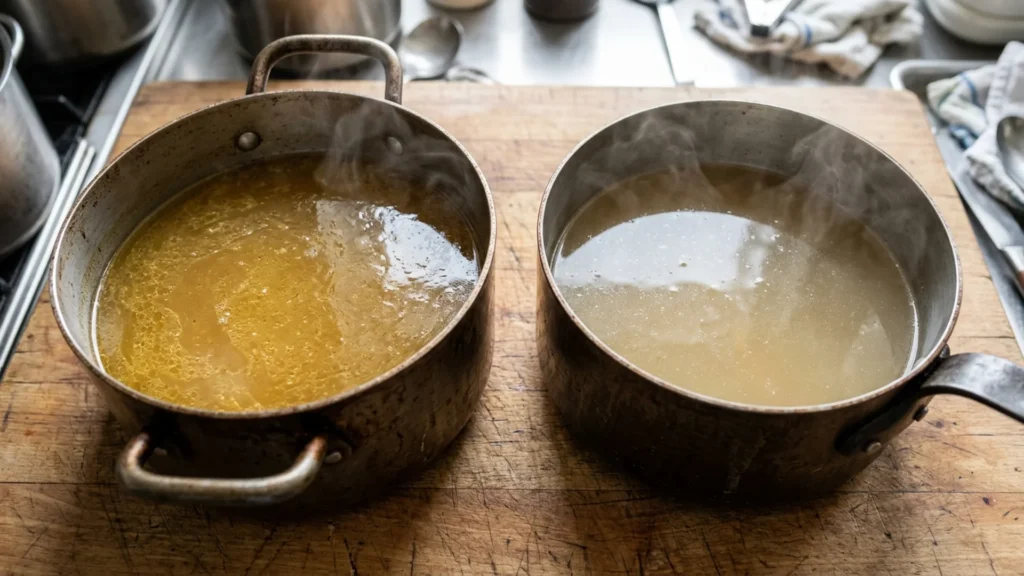
Chicken stock vs broth comes down to one thing above all: stock is made mostly from bones, and broth is made mostly from meat. That single difference drives everything else. Because stock simmers bones for hours, it pulls out collagen that turns into gelatin, giving stock a richer body that often sets to a soft jiggle in the fridge. Broth, made by simmering meat for a shorter time, stays thinner and lighter but carries a cleaner, more direct chicken flavor and is usually seasoned with salt so you can sip it on its own. Neither is better; they are built for different jobs. Stock is an unseasoned, gelatin-rich building block for sauces and deep soups, while broth is a ready-to-eat, savory liquid for sipping and for lighter soups. Knowing which one a recipe wants, and how to swap one for the other, is the difference between a soup with real body and one that tastes flat.
This guide lays out exactly what separates the two, the gelatin that gives stock its body, how seasoning differs, where bone broth fits in, how to substitute one for the other, and how to decode the confusing labels at the store.
The Core Difference: Bones vs Meat
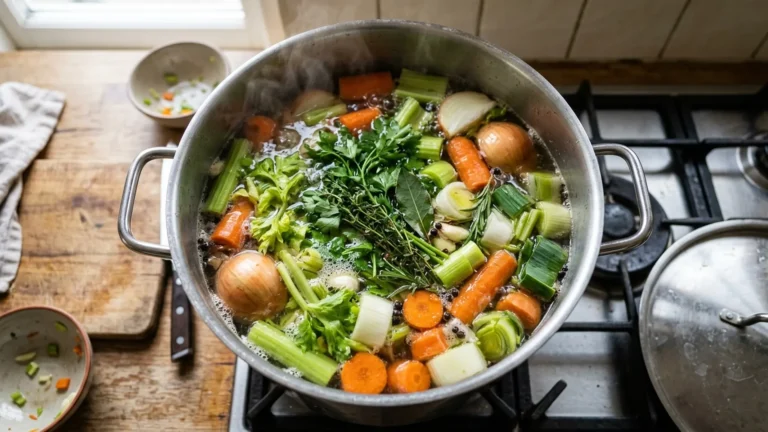
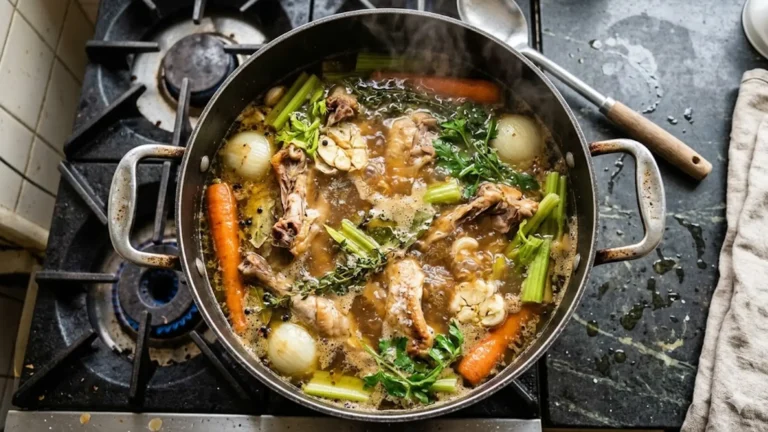
Strip away the marketing and the distinction is simple. Stock is made primarily from bones, often roasted, along with aromatic vegetables like onion, carrot, and celery, simmered long and slow in water. The goal is to extract everything the bones have to give, especially the connective tissue and cartilage that break down into gelatin. Stock is traditionally left unsalted so it can serve as a neutral base you season later to fit whatever you are making.
Broth is made primarily from meat, sometimes with a few bones still attached, simmered for a shorter time. Because it leans on meat rather than bones, broth comes out thinner and lighter in body but with a fresh, savory, distinctly chicken-forward taste. Broth is usually seasoned with salt and sometimes herbs, which is why a cup of warm broth is pleasant to drink straight while a cup of plain stock tastes underwhelming on its own. In short: bones make stock and give it body, meat makes broth and gives it ready-to-eat flavor.
| Feature | Chicken Stock | Chicken Broth |
|---|---|---|
| Main ingredient | Bones | Meat |
| Body | Thick, gelatinous | Thin, light |
| Seasoning | Usually unsalted | Usually salted |
| Simmer time | 4 to 6 hours or more | 1 to 2 hours |
| Best for | Sauces, gravies, rich soups | Sipping, light soups |
Gelatin: The Body You Can Feel

The clearest way to tell stock from broth is to chill it. A good homemade stock sets up in the fridge into a soft, wobbly gel, while broth stays liquid. That gel is gelatin, and it comes from the collagen in the bones and connective tissue breaking down over a long simmer. It is not a defect or a sign something went wrong; it is the mark of a stock that did its job. When you reheat that gel it melts right back into liquid, and the dissolved gelatin gives soups and sauces a silky, full mouthfeel and helps sauces cling instead of running thin.
This is why stock is the better choice when you want body. A pan sauce built on gelatin-rich stock reduces into something glossy that coats the back of a spoon, where the same sauce made with broth stays watery. The longer simmer and the higher ratio of bones are what create that gelatin, so if you make your own, roasting the bones first and including collagen-heavy parts like wings, backs, and feet gives you the most body. A from-scratch base is genuinely worth the time, and learning how to make chicken stock at home gives you a richness no carton can match.
Seasoning and Salt: Why It Matters
Stock is usually made without salt on purpose, and that is a feature, not an oversight. Because stock is a building block meant to be reduced and seasoned later, leaving it unsalted keeps you in control. If you salt a stock and then reduce it by half to concentrate it for a sauce, the salt concentrates too and the result can turn out far too salty. Starting unsalted means you season at the end, to taste, after the liquid has reduced to where you want it.
Broth is the opposite. It is seasoned with salt and often a few herbs because it is meant to be eaten more or less as is, whether sipped from a mug or used as the immediate base of a light soup. This is also the single biggest thing to watch with store-bought versions, since canned and boxed broths can carry a lot of sodium. If a recipe calls for stock and you only have broth, you generally need to cut back on the salt you add elsewhere to keep the dish from going over.
Where Does Bone Broth Fit In?
Bone broth muddies the naming, but it is easy to place once you know the rule. Despite the word broth in its name, bone broth is made like a stock, from bones simmered for a very long time, often well beyond what a regular stock gets. The extra-long simmer extracts even more collagen, so bone broth tends to be the most gelatinous and full-bodied of the three. It is then usually seasoned and sold to be sipped on its own, which is the broth-like part of its identity.
So the honest summary is that bone broth is a long-cooked, seasoned stock marketed as a sip-able broth. For cooking purposes, treat it like a rich, salted stock. It brings excellent body to soups and sauces, but because it is seasoned, you should account for its salt the way you would with broth. If you are choosing among the three for a deeply savory soup base, bone broth and a good homemade stock both deliver more body than a standard broth.
When to Use Stock vs Broth in Soup
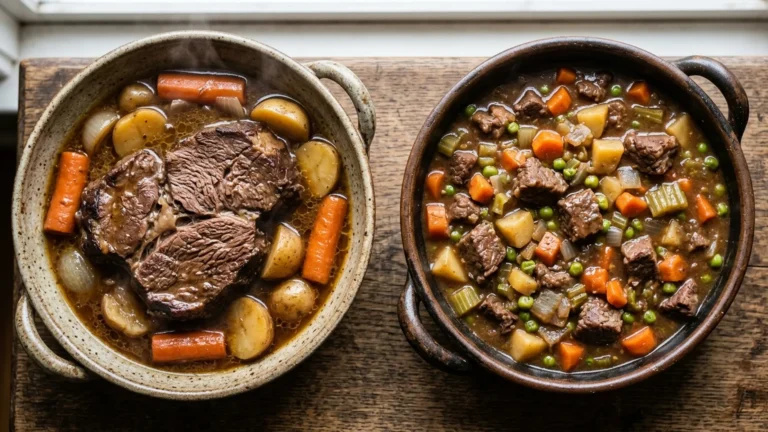
For most soups the choice is about how much the liquid needs to carry the dish. When the broth itself is the star, as in a simple chicken soup where you taste the liquid in every spoonful, a well-seasoned broth shines because it is built to be flavorful on its own. When the soup is loaded with other ingredients and you want a rich, substantial backbone, stock is the better pick because its gelatin gives the whole pot more body and a silkier feel.
In practice, many of the best soups use stock as the base and then get seasoned to taste, which gives you both the body of stock and the salt level of broth, dialed in by hand. A hearty, vegetable-and-bean soup like a slow cooker minestrone benefits from the body of stock, while a clean, comforting bowl of chicken soup can go either way depending on whether you want richness or a lighter, brighter liquid. The good news is that for soup, the two are close enough that either works in a pinch, as long as you adjust the salt.
Can You Substitute One for the Other?
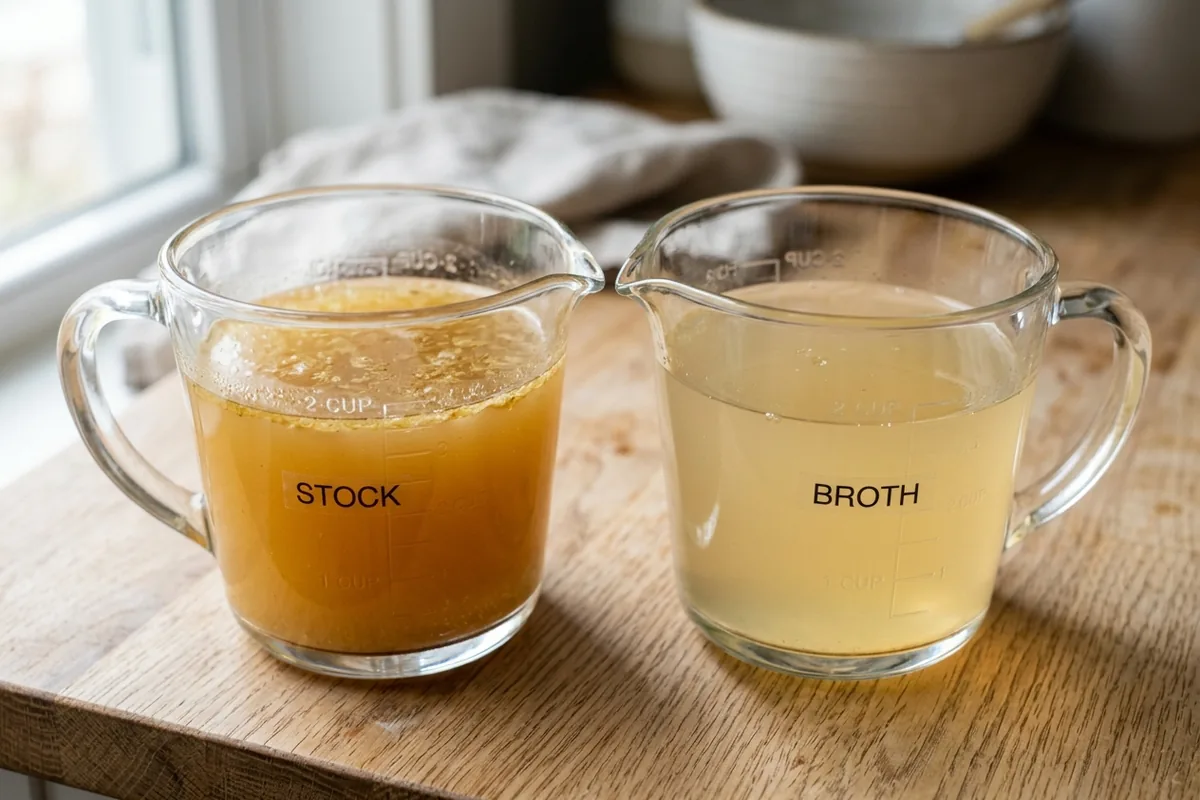
Yes, stock and broth can stand in for each other in nearly any recipe, as long as you make two small adjustments. First, mind the salt. If you swap salted broth into a recipe written for unsalted stock, hold back on added salt and taste before adding more. If you swap unsalted stock into a recipe written for broth, you will likely need to add salt to bring the flavor up to where the recipe expected it.
Second, mind the body. Stock has more, so substituting broth for stock in a sauce or gravy may leave it thinner than intended, and you can make up the difference with a touch more reduction or a small slurry. Going the other way, stock used where broth was called for simply gives you a richer result, which is rarely a problem. For everyday soups and braises the swap is essentially seamless. For a refined pan sauce that depends on gelatin to thicken, stock is worth seeking out. The test kitchens at America’s Test Kitchen and the editors at Bon Appetit both have good deep dives on getting the most body out of a homemade batch.
Decoding Store-Bought Labels
The labels at the store blur the line, so a few rules help you choose well. The words stock and broth are not tightly regulated, so manufacturers use them loosely, and the only reliable move is to read the nutrition panel and the ingredient list. Check the sodium first, since that varies wildly between brands and between the regular and low-sodium versions of the same product. For cooking, a low-sodium or unsalted option gives you the most control, letting you season to taste rather than fighting a salt level someone else chose.
Next, look for body. A product that lists gelatin, or that you know sets up in the fridge, behaves more like a true stock. Many boxed broths are quite thin, which is fine for sipping or for a light soup but underwhelming for a sauce. If you want the best of both worlds without making your own, a good bone broth or a stock labeled low-sodium is usually the most versatile thing on the shelf. And whenever you have the time, a homemade batch built from a leftover roast chicken carcass beats almost anything boxed, which is why a pot of homemade chicken noodle soup built on real stock tastes so much deeper than the canned kind.
Making Each at Home
The difference between stock and broth shows up clearly the moment you make them yourself, because the method follows straight from the ingredients. For stock, you start with bones, and the best ones are collagen-heavy parts like wings, backs, necks, and feet, ideally roasted first for deeper color and flavor. Cover them with cold water along with a rough-cut onion, carrot, and celery, bring it to a bare simmer, and let it go gently for four to six hours or longer. Keep the heat low so the liquid trembles rather than boils, since a hard boil pulls fat and impurities into the liquid and clouds it. Skim the foam that rises, strain out the solids at the end, and leave it unsalted so you can season later.
For broth, you start with meat, often a whole chicken or bone-in pieces with plenty of meat still attached. Simmer it for a shorter stretch, roughly one to two hours, just long enough to cook the meat and pull its flavor into the water. Season the broth with salt and maybe a few herbs, then pull out the chicken, which you can shred and use in the soup or save for another meal. The shorter cook keeps the flavor fresh and chicken-forward, which is exactly what you want in a broth meant to be tasted directly. One practical bonus: making broth gives you cooked meat and a pile of spent bones, and those bones can go straight into a pot of water to start a stock, so a single chicken yields both.
Common Mistakes With Stock and Broth
- Boiling instead of simmering. A hard boil emulsifies fat into the liquid and turns it cloudy and greasy. Hold a bare, lazy simmer for a clear, clean result.
- Salting stock early. Stock gets reduced and seasoned later, so salting at the start risks an over-salted final dish. Leave it unsalted and season to taste at the end.
- Expecting body from broth. Broth has little gelatin, so it will not thicken a sauce the way stock does. Reach for stock when you want a glossy, clinging sauce.
- Ignoring store-bought sodium. Boxed broths vary hugely in salt. Read the panel and favor low-sodium so you stay in control of seasoning.
- Tossing the bones. The spent carcass from a roast or from making broth is the perfect start for a rich stock. Save it instead of throwing it out.
Both keep well once made, so it pays to batch them. Cooled stock and broth hold in the fridge for about four to five days, and both freeze beautifully for several months. Freeze in measured amounts, a cup or two per container, or in an ice cube tray for small splashes, so you can pull exactly what a recipe needs without thawing the whole batch.
Frequently Asked Questions
What is the difference between chicken stock and chicken broth?
Stock is made mostly from bones simmered long enough to extract collagen, giving it a thick, gelatinous body, and it is usually left unsalted. Broth is made mostly from meat, simmered for a shorter time, so it is thinner and lighter but seasoned with salt and ready to sip or use right away.
Can I use chicken broth instead of stock?
Yes, in most recipes. Just hold back on added salt since broth is already seasoned, and expect a slightly thinner result because broth has less gelatin than stock. For sauces or gravies that rely on body, you may need a little extra reduction or a small slurry to make up the difference.
Why does my homemade stock turn to jelly in the fridge?
That gel is gelatin, drawn out of the bones and connective tissue during a long simmer, and it is a sign of a good, body-rich stock. It melts right back to liquid when you reheat it and gives soups and sauces a silky, full texture. Broth stays liquid because it has far less gelatin.
Is bone broth the same as stock?
Essentially, yes. Bone broth is made like a stock, from bones simmered for an even longer time, so it is very gelatinous and full-bodied. The main difference is that bone broth is usually seasoned and sold to be sipped, so for cooking, treat it like a rich, salted stock and account for its sodium.
Which is better for chicken noodle soup, stock or broth?
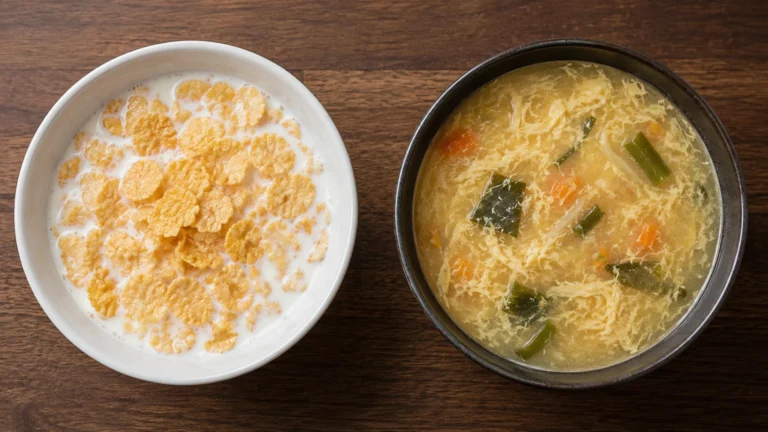
Either works, and it depends on the result you want. A seasoned broth gives a lighter, brighter liquid you can taste clearly, while stock gives the soup more body and a silkier feel. Many cooks use stock as the base and then season to taste, getting the body of stock with the salt level of broth.
Is stock or broth healthier?
They are nutritionally similar, but stock and bone broth carry more protein from collagen and gelatin, while broth is often higher in sodium. For controlling salt, an unsalted stock or a low-sodium product is the better choice, since you season it to taste rather than starting from a high baseline.
Bottom Line
Chicken stock and broth start from the same bird but end up doing different jobs. Stock is bones, time, and gelatin, an unsalted base with real body that you season as you go and reach for when you want richness in a sauce or a hearty soup. Broth is meat, a shorter simmer, and salt, a lighter, ready-to-eat liquid for sipping and for soups where the broth itself is the star. Bone broth is just a long-cooked, seasoned stock. Keep the salt and the body in mind and you can swap one for the other freely, but when you want a soup with a silky, full backbone, stock is the one to make from scratch.