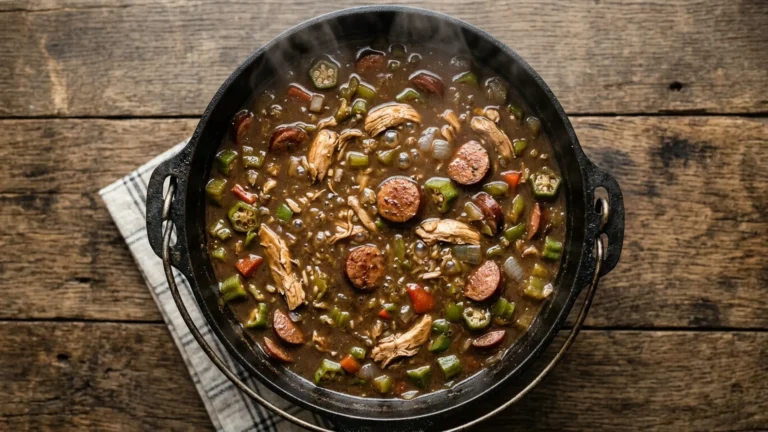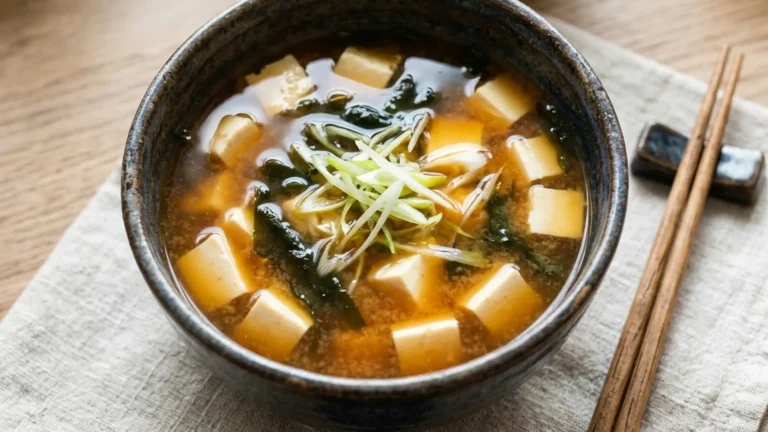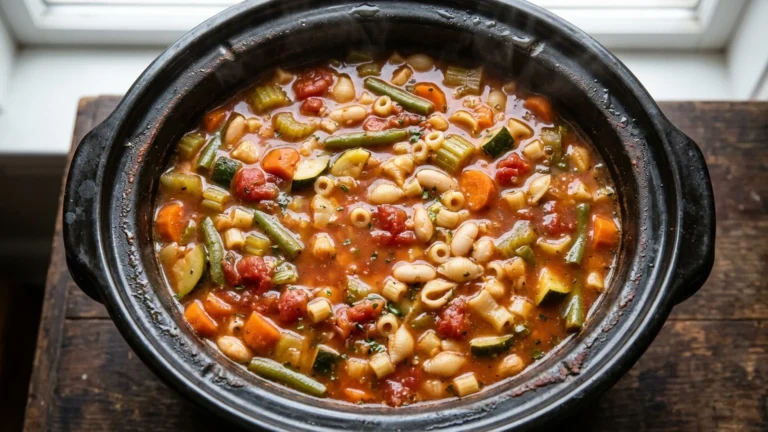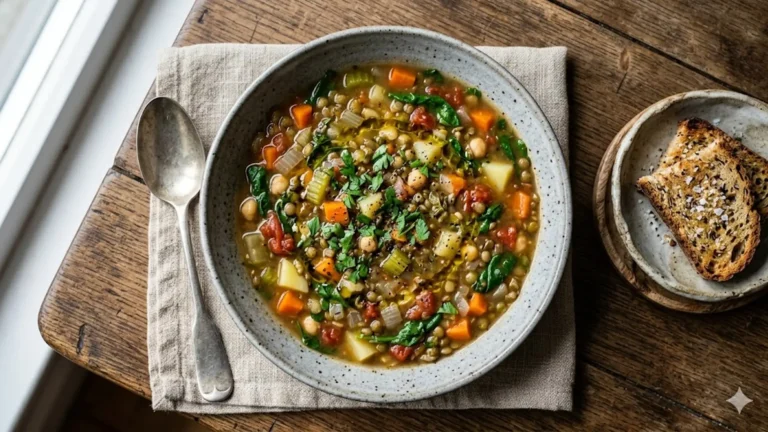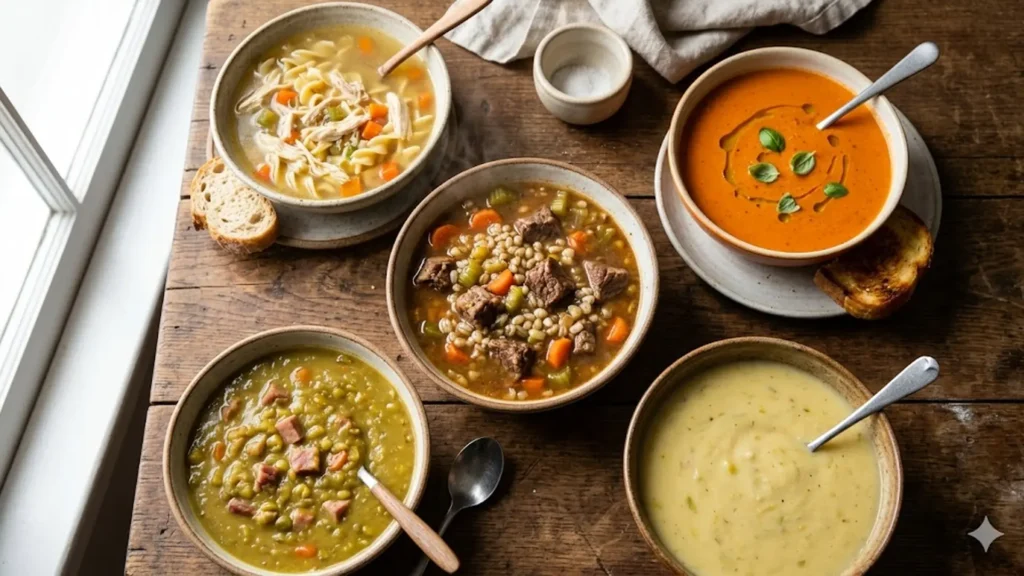
The best soups for winter are the heavy, sticks-to-your-ribs bowls that you want when it is dark by 5 p.m. and the wind is rattling the windows. I am talking about deep beef stew, a thick pot of chili, French onion under a cap of melted cheese, loaded potato soup, and big-batch bean and lentil pots that get better on day two. These are not the light, brothy soups of early autumn. Winter cooking is about heft, browned meat, long low simmers, and bowls that double as the whole meal. This guide walks through the cold-weather soups I make on repeat from December through February, why each one suits deep winter, the single technique that makes each great, and exactly how to store and reheat them so a Sunday afternoon of cooking feeds you all week.
I run a soup-and-stew kitchen, so I have opinions about which bowls earn a spot when the temperature drops. Below I group them by mood, because what you cook on a frozen Tuesday night is different from what you build on a slow Saturday. Every entry uses US measurements and plain technique you can repeat without a fancy setup.
What Makes a Soup a Winter Soup
A fall soup leans on squash, apples, and the last good tomatoes. A winter soup leans on protein, starch, and time. The difference is heft. When it is genuinely cold outside, your body wants calories and warmth, so the best winter soups carry more body: browned beef, beans, potatoes, cream, melted cheese, or noodles. They tend to be one-pot meals rather than a starter course.
Three things separate a great winter bowl from a watery one. First, browning. Searing meat or caramelizing onions before any liquid goes in builds the deep savory base that thin broth cannot fake. Second, a long, gentle simmer. Collagen in tough cuts needs roughly 2 to 3 hours at a bare bubble to melt into silk, and that is what gives a stew its cling. Third, body. Beans, potatoes, a roux, a Parmesan rind, or a handful of pasta all thicken the pot so a spoon stands up a little. Get those three right and almost any soup turns into cold-weather comfort.
Winter is also holiday season, which means you are often feeding a crowd or stretching a leftover ham or turkey. Many of the bowls below are built to scale and freeze, so a big pot on Sunday covers lunches, a busy weeknight, and a backup dinner without you cooking again.
Quick Weeknight Winter Soups (30 to 45 Minutes)
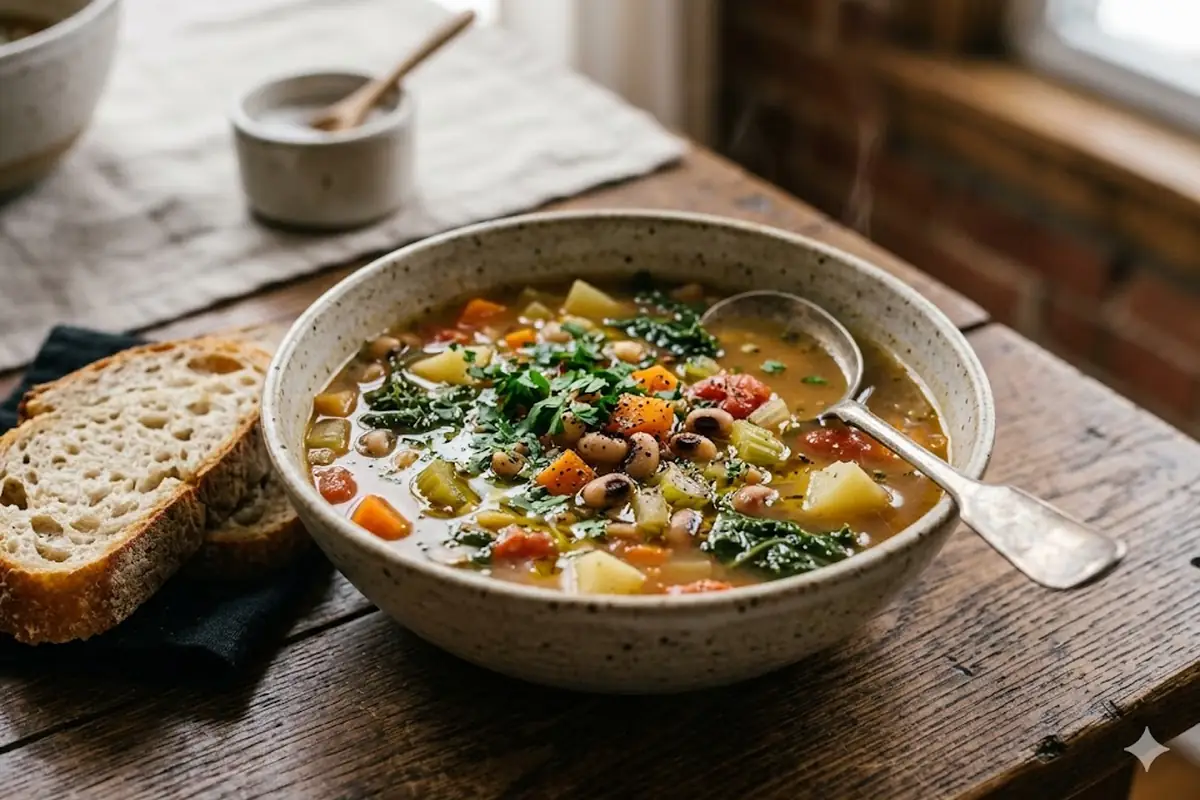
On a cold weeknight you want maximum warmth for minimum effort. These bowls come together in well under an hour, mostly because they skip the long braise and lean on pantry staples for body.
White Chicken Chili
This is my go-to when I want something hot on the table in 40 minutes. Saute onion and a little jalapeno, add cumin and oregano, then dump in shredded rotisserie chicken, two cans of white beans, and a quart of broth. The trick that makes it great is mashing about a third of the beans against the side of the pot. That single move thickens the whole thing into something creamy without any flour or heavy cream. A splash of half-and-half at the end rounds it off. It suits deep winter because it is filling and warming without sitting like a brick, and it reheats beautifully.
Loaded Potato Soup
Potato soup is pure cold-weather comfort, and the loaded version with bacon, cheddar, and scallions feels like a baked potato you can drink. Cook diced russets in broth until soft, then mash some of them right in the pot for body instead of pouring in a pint of cream. Render the bacon first and use that fat to cook your onions so the smoky flavor runs all the way through. It is rich, cheap, and ready in about 35 minutes. For a closely related creamy bowl that uses the same mash-for-body trick, my homemade tomato soup walks through the technique in detail.
Taco Soup and Tortilla Soup
Both of these are weeknight heroes because the spice does the heavy lifting in a short cook time. Brown a pound of ground beef or turkey, add taco seasoning, canned tomatoes, beans, and corn, and simmer 20 minutes. Tortilla soup goes the chicken-and-chili route with a brighter, smokier broth from chipotle in adobo. The crushed tortilla chips or strips on top are not optional in my kitchen; they add the crunch that keeps a fast soup from feeling thin. These two are the easiest entry point for anyone who thinks soup has to be an all-day project.
Weekend Project Soups Worth the Slow Simmer
When you have a Saturday afternoon, this is where winter cooking pays off. These bowls need time, but the active work is small. You brown, you build, and then you mostly wait while the kitchen fills with steam.
Beef Stew
If I could only make one soup all winter, it would be beef stew. The whole thing rests on two steps people rush. Pat the beef chuck dry and sear it hard in batches so each piece gets a real brown crust, then deglaze the pot with broth or a splash of red wine to scrape up every bit of that fond. After that it is a low simmer for 2 to 3 hours until the meat pulls apart with a spoon. Add potatoes and carrots in the last 45 minutes so they hold their shape. The result is a bowl with real cling and depth that no shortcut delivers. My full slow cooker beef stew walks through the hands-off version if you would rather let the crockpot do the waiting.
French Onion Soup
French onion is the most patient soup on this list and the most rewarding. The entire flavor comes from caramelizing a big pile of sliced onions, which takes a real 45 minutes of slow cooking, stirring often, until they collapse into a deep brown jam. Rushing this step on high heat is the number one mistake; you get burnt edges and raw centers instead of even sweetness. Deglaze with a little dry sherry or wine, add good beef broth, then top each bowl with toasted bread and Gruyere and run it under the broiler until bubbling. It is a restaurant bowl you can absolutely make at home, and it feels right for a cold holiday-season night.
Chicken and Dumplings
This is winter comfort at its most old-fashioned. Build a rich chicken soup with browned aromatics and a little flour for body, then drop spoonfuls of biscuit dough right onto the simmering surface and cover the pot so the dumplings steam. The key is not lifting the lid for the first 15 minutes, because the trapped steam is what makes the dumplings light instead of gummy. It is heavy, filling, and exactly the kind of bowl you want after shoveling a driveway.
Chili
A long-simmered chili is a weekend reward. Brown the beef or pork hard, bloom your chili powder and cumin in the fat for 30 seconds to wake up the spices, then let the pot go low and slow for at least 90 minutes so the flavors marry and the sauce thickens. Beans are your friend here for body and stretch. Chili might be the best big-batch winter food there is because it freezes perfectly and tastes even better reheated. If you want a hands-off route, building a pot of chili in the slow cooker frees up your whole afternoon.
Big-Batch and Freezer-Friendly Winter Soups
Some of the best winter cooking is about cooking once and eating four times. These bowls are cheap, scale easily to a double batch, and hold up in the freezer for weeks, which makes them ideal for the busy stretch around the holidays.
Split Pea and Lentil Soups
Dried legumes are winter gold. Split pea soup built around a smoked ham hock or leftover holiday ham bone simmers down into something thick and smoky over about 90 minutes, no cream required, because the peas break down and thicken themselves. Lentil soup is even faster since lentils need no soaking; brown carrots, onion, and celery, add red or green lentils with broth and tomatoes, and you have a hearty pot in under an hour. Both are protein-rich, dirt cheap, and freeze without losing texture. I almost always make a double batch.
Bean Soups and Minestrone
A pot of white bean soup with kale and a Parmesan rind tossed in for savory depth is one of the most satisfying cheap meals of the season. The rind is the secret; it melts slowly and adds a background richness you cannot get any other way. Minestrone is the vegetable-and-bean workhorse, loaded with whatever you have and finished with a handful of small pasta. Add the pasta near the end or cook it separately, because pasta left in the pot overnight turns to mush. These bowls stretch a few dollars of pantry beans into dinner for a crowd.
Chowders
Clam chowder and corn chowder belong to deep winter because they are thick, creamy, and rich enough to be a full meal. The body comes from a roux: cook flour into the rendered bacon fat or butter before adding the liquid, then build with broth and a little cream. Add potatoes for heft and finish with the clams or corn only at the end so they stay tender. Chowder does not freeze as cleanly as bean soups because cream can separate, so I keep chowder as a make-and-eat-this-week bowl rather than a freezer staple.
Ramen and Pho for Cold-Weather Warmth
When you want soup that actually warms you from the inside out, a steaming bowl of noodles in deeply seasoned broth is hard to beat. These are the spicy, aromatic, slurpable bowls that feel like a reset on a brutal cold night.
A weeknight ramen can be built fast: a good broth bumped up with miso, soy, ginger, and garlic, then loaded with noodles, a jammy soft-boiled egg, and whatever protein and greens you have. Pho is the long-game version, where you simmer beef bones with charred onion, ginger, and warming spices like star anise and cinnamon for hours until the broth is clear and fragrant. The charring step on the onion and ginger is what gives pho its signature depth, so do not skip it. Both deliver a kind of warmth that thicker stews do not, because the hot, savory broth and the steam hit you immediately. For the science of why a long-simmered, well-seasoned broth tastes so much rounder than a quick one, the cooking guides at America’s Test Kitchen are worth a read.
A Quick Reference: Winter Soups at a Glance
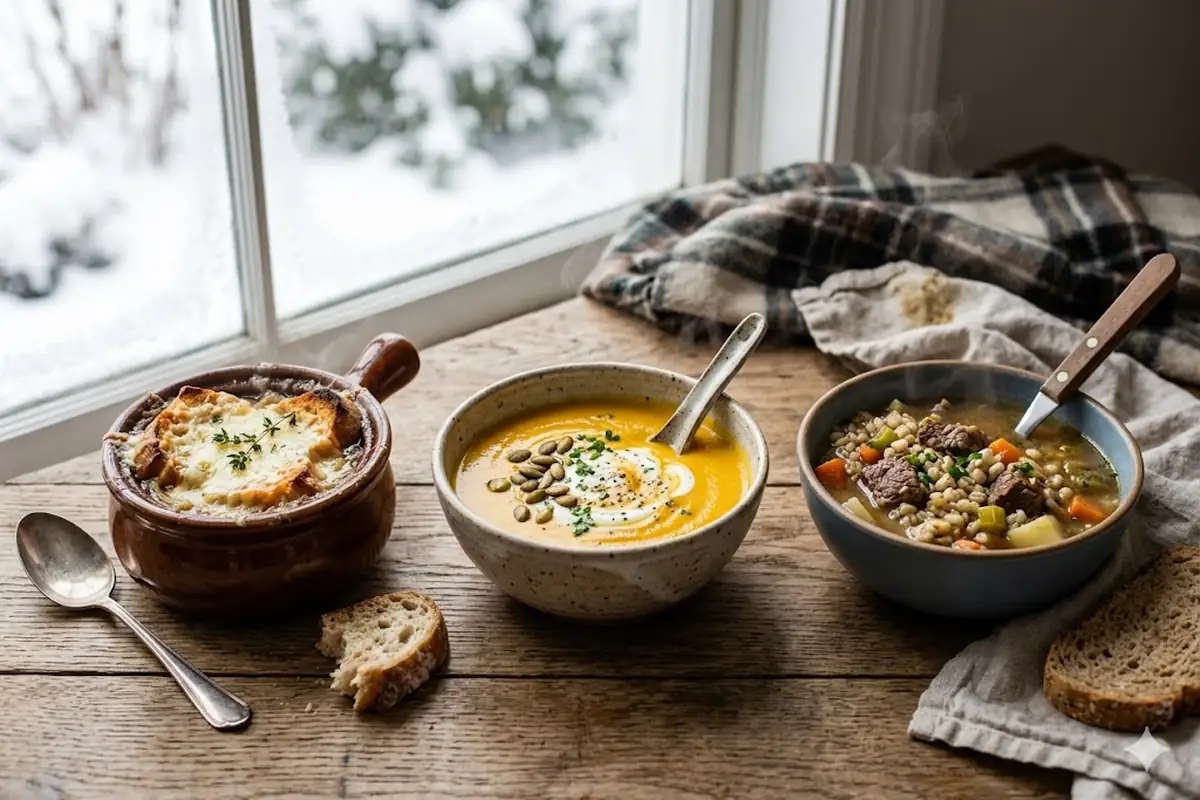
Here is the short version, sorted by how each bowl earns its place in cold weather and whether it holds up for making ahead. I use this table myself when I am deciding what to cook on a Sunday.
| Soup | Why it suits winter | Make-ahead? |
|---|---|---|
| Beef stew | Browned meat and a 2 to 3 hour braise give deep, clingy body | Yes, freezes well up to 3 months |
| Chili | Heavy, spicy, and filling; better on day two | Yes, ideal freezer bowl |
| French onion | Caramelized onions and melted Gruyere feel like a holiday treat | Broth yes; assemble and broil fresh |
| Loaded potato | Creamy and rich without being fussy; ready in 35 minutes | Best within 3 days; cream can split frozen |
| White chicken chili | Warm and filling fast, thickened by mashed beans | Yes, freezes 2 to 3 months |
| Split pea / lentil | Thick, smoky, protein-rich, very cheap | Yes, excellent frozen |
| Clam / corn chowder | Thick, creamy, rich enough to be the whole meal | Eat this week; cream separates frozen |
| Ramen / pho | Hot savory broth warms you instantly | Freeze broth only; add noodles fresh |
| Minestrone / bean | Stretches pantry beans into a crowd-sized pot | Yes; keep pasta separate |
Techniques That Turn Any Winter Soup Into a Great One
Most thin, sad soups fail for the same few reasons. If you fix these, almost any pot improves.
Brown before you simmer. Whether it is beef chuck, ground meat, or a pile of onions, getting real color in the pot first builds the savory base that water and broth cannot supply on their own. Always pat meat dry and work in batches so the pan stays hot enough to sear instead of steam.
Build body on purpose. A bowl that tastes watery almost always needs one of four fixes: mash some of the starch (beans or potatoes) into the broth, stir in a quick roux of flour and fat, drop in a Parmesan rind, or simmer long enough to reduce. Pick one and the texture changes completely.
Season in layers and finish bright. Salt early so it works into the ingredients, then taste at the end and adjust. A small hit of acid at the finish, a squeeze of lemon or a splash of vinegar, wakes up a heavy winter bowl that tastes flat. For more on balancing rich, salty, and acidic notes, the editors at The Kitchn cover the basics well.
Mind the simmer, not the boil. A hard boil toughens meat and clouds broth. You want a lazy bubble breaking the surface every second or two. Low and slow is the whole game with tough cuts and dried legumes.
How to Store, Freeze, and Reheat Winter Soups
The reason I cook big pots in winter is that good soup is meal prep that does not feel like meal prep. Cool soup quickly by transferring it to shallow containers rather than leaving a hot pot on the counter, then refrigerate within about 2 hours. Most soups keep 3 to 4 days in the fridge.
For freezing, leave the pasta, rice, and dairy out when you can. Brothy and bean-based soups freeze for up to 3 months and reheat like they were made fresh. Cream-based bowls like chowder and anything thickened with a lot of dairy tend to separate when frozen, so eat those within the week. Freeze in portion-sized containers with about an inch of headspace so the soup has room to expand. Reheat gently on the stove over medium-low, adding a splash of broth or water to loosen a pot that thickened in the fridge. When you add fresh noodles or rice at reheating instead of freezing them in the soup, every bowl tastes brand new.
Frequently Asked Questions
What is the most filling soup for winter?
Beef stew and chili top the list because they combine browned meat, starch, and a long simmer that builds real body. Loaded potato soup and split pea with ham are close behind. Any bowl that pairs protein with a thickening starch like beans or potatoes will keep you full far longer than a thin broth.
How do I make a watery soup thicker?
You have four easy options. Mash some of the beans or potatoes already in the pot against the side and stir them back in. Stir in a quick roux of equal parts flour and butter cooked for a minute. Drop in a Parmesan rind and simmer. Or just let the pot reduce uncovered for 15 to 20 minutes. Mashing the starch is the fastest and adds no extra ingredients.
Which winter soups freeze the best?
Brothy and bean-based soups freeze the best: chili, lentil, split pea, minestrone, and most vegetable soups hold their texture for up to 3 months. Avoid freezing soups loaded with cream or with cooked pasta and rice already in them, since dairy can separate and starches turn mushy. Freeze the broth base and add those parts fresh when you reheat.
How long should I simmer a winter stew?
Plan on 2 to 3 hours at a gentle simmer for a beef stew or any soup built on a tough cut like chuck. That low, slow heat is what melts the collagen and gives the bowl its silky cling. Bean and lentil soups need less, usually 45 to 90 minutes. Quick weeknight soups with pre-cooked or ground meat are done in 20 to 40 minutes.
Can I make these soups in a slow cooker?
Yes, and many of them are built for it. Beef stew, chili, split pea, and bean soups all thrive on the low-and-slow heat of a crockpot, usually 6 to 8 hours on low. The one thing worth doing first is browning the meat and aromatics in a skillet, because the slow cooker cannot sear. That extra 10 minutes is the difference between a flat pot and a deep one.
What goes with a bowl of winter soup?
Crusty bread for dunking is the classic and best answer, especially with anything brothy or bean-based. Cornbread suits chili and bean soups. A grilled cheese turns tomato or potato soup into a full meal. For chowders and creamy soups, oyster crackers or saltines add the crunch that keeps a rich bowl interesting.
Bottom Line
The best soups for winter are the heavy, comforting bowls that turn a cold night into something you look forward to: beef stew with real cling, a thick pot of chili, French onion under bubbling cheese, creamy chowders, and big-batch bean and lentil soups that feed you all week. Cook by mood, brown before you simmer, build body on purpose, and lean on the freezer-friendly bowls when the holiday rush hits. Get a Sunday pot going, fill some containers, and you will eat warm and well straight through the coldest months. Pick one bowl from this list, make it this weekend, and let your kitchen do the warming.