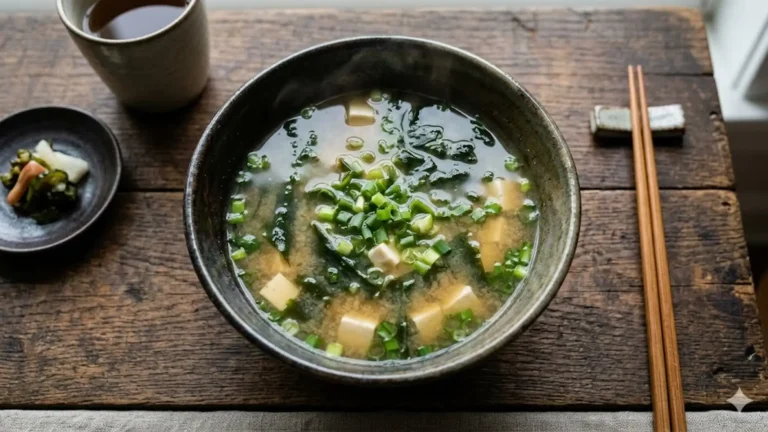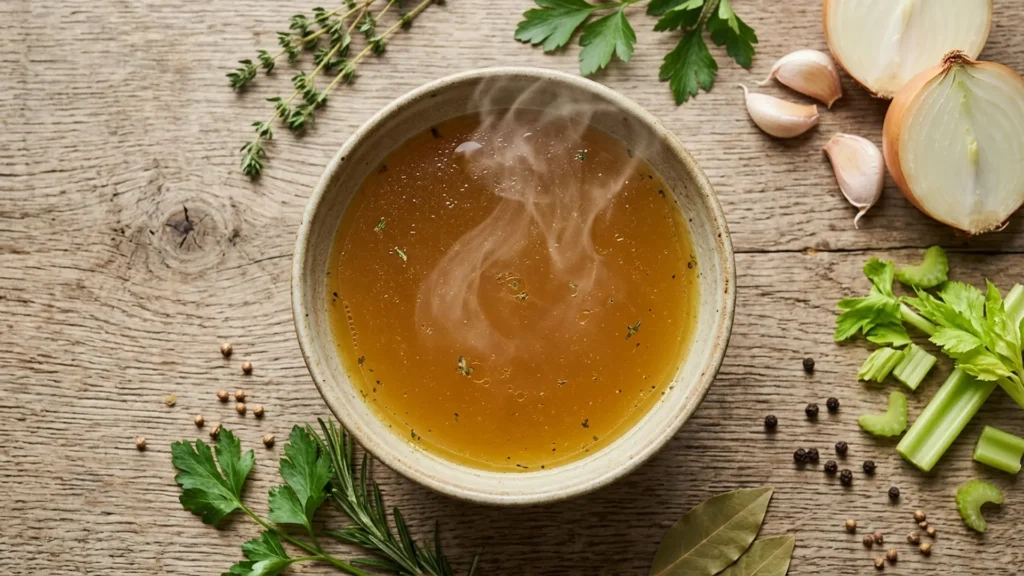
The fastest chicken broth substitute is one cup of hot water mixed with one chicken bouillon cube or one teaspoon of bouillon granules, used at a straight 1:1 ratio in place of the broth your recipe calls for. That swap works in almost any pot of soup, stew, rice, or pan sauce, and most cooks already have a jar of bouillon or a tub of paste in the pantry. If you do not have bouillon, plain water with a little salted butter and seasoning will carry you through, and there are richer options like chicken stock, bone broth, vegetable broth, and a quick simmer of leftover skin and bones that I will walk through below. I have run out of broth more times than I can count on a cold afternoon, so this is the guide I wish I had taped inside my cabinet door.
I am Elsie, and I keep a stockpot going most weeks of the year. Soups and stews live or die on their liquid, so a good chicken broth substitute is not a corner you cut, it is a swap you make on purpose. Below I sort every option by how it tastes, how much sodium it brings, and where it shines, so you can grab the right one for the pot in front of you instead of guessing.
How to Pick the Right Chicken Broth Substitute
Before you reach for anything, ask one question: is the broth the star of this dish or just the background liquid? That single answer decides how picky you need to be.
When broth is the star, like in a clear chicken noodle soup or a simple rice pilaf where the liquid is most of what you taste, you want a substitute with real savory depth. Chicken stock, a quality bouillon paste, or a quick homemade broth from skin and bones will all read as close to the real thing. When broth is the background liquid, like in a thick bean stew or a tomato-heavy chili where a dozen other ingredients are doing the talking, you have a lot more freedom. Plain water with seasoning, vegetable broth, or even beef broth will disappear into the mix and nobody will notice.
The second thing to weigh is sodium. Broth from a carton is often already salty, but bouillon cubes, paste, and soy-based swaps can be much saltier still. My rule is simple: when I use a salty substitute, I hold back on the salt I add later and taste at the end. You can always stir in more salt, but you cannot pull it out of the pot. If you are watching sodium for health reasons, reach for a reduced-sodium product or dilute a salty one with extra water, then season to taste right before serving.
The third factor is color and body. Beef broth and bone broth run darker and richer than chicken broth, which is fine in a hearty stew but can look muddy in a pale soup. Cream-based swaps like coconut milk add body and a different flavor entirely. Keep the finished look of your dish in mind, not just the taste.
The Best Chicken Broth Substitutes at a Glance

Here is the quick-reference table I keep in my head. Every ratio below assumes you are replacing one cup of chicken broth. Scale up or down evenly: if a recipe calls for four cups of broth, use four cups of your substitute mixed at the same strength.
| Substitute | Ratio (per 1 cup broth) | Best for | Notes |
|---|---|---|---|
| Chicken stock | 1 cup, 1:1 | Almost any soup, stew, or sauce | Closest match; richer body, often a touch less salt than broth. |
| Bouillon cube | 1 cube + 1 cup hot water | Quick everyday cooking | Salty; hold back added salt and taste at the end. |
| Bouillon granules | 1 tsp + 1 cup hot water | Fractional amounts, precise measuring | Same as cubes but easier to portion small amounts. |
| Better-than-bouillon paste | 1 tsp paste + 1 cup hot water | Deep, meaty flavor on demand | Strong and salty; about 16 cents per cup. Start light. |
| Vegetable broth | 1 cup, 1:1 | Vegetarian dishes, light soups | Milder and sweeter; mushroom versions add umami. |
| Beef broth | 1 cup, 1:1 | Hearty stews, chili, gravies | Darker and bolder; can overpower delicate soups. |
| Water + butter + seasoning | 1 cup water + 1 tbsp butter + salt and herbs | Emergency, background liquid | No depth on its own; butter and herbs do the lifting. |
| White wine + water | 1/4 cup wine + 3/4 cup water | Deglazing, pan sauces, French-style soups | Adds acidity and brightness; simmer to cook off the raw edge. |
| Dashi | Start with 1/2 cup, taste, then add | Asian-style soups, noodle broths | Strong and savory with a sea note; build up slowly. |
| Miso + water | 1 tsp white miso + 1 cup hot water | Quick umami, vegetarian broth | Stir in off the heat; do not boil hard once added. |
| Quick skin and bone broth | Simmer scraps in water 20 to 30 min | When you have leftover chicken | Tastes homemade; strain before using. |
Chicken Stock, Bouillon, and Bone Broth: The Closest Matches
If you want a swap nobody will catch, start with these three. They are all chicken-based or built to taste that way, so they slide into a recipe with no adjustment beyond a salt check.
Chicken Stock
Stock is the closest thing to broth there is, because it basically is broth made from bones instead of meat. It simmers longer, picks up more gelatin from the bones, and ends up with a fuller body and often a little less salt. Use it at a clean 1:1 ratio and move on with your day. If you have ever wondered where the line falls between the two, I broke down the differences in my piece on stock vs broth, but for substituting purposes they are interchangeable. Stock is my first pick every time I have it on hand.
Bouillon Cubes, Granules, and Paste
Bouillon is dehydrated, pressed broth, and it is the workhorse of the substitute world. One cube or one teaspoon of granules dissolved in one cup of hot water gives you a cup of usable broth. Better-than-bouillon paste does the same job with one teaspoon per cup and tends to taste meatier and deeper, which is why it lives in my fridge year-round. The catch with all three is sodium. They are built to be salty so they read as flavorful, so I always cut back on the salt I would otherwise add and taste the pot before serving. At roughly 16 cents per cup, paste is also one of the cheapest ways to keep good broth flavor on standby.
Bone Broth
Bone broth is simmered for a day or more, so it is richer, more gelatinous, and more strongly flavored than regular broth. Use it 1:1, but if you find it too intense for a light soup, cut it with an equal part water to soften the punch. It shines in stews and braises where you want that sticky, lip-coating body. If you would rather make your own from scratch, my full walkthrough on homemade chicken broth covers the timing and the bones to save.
Vegetarian and Vegan Chicken Broth Substitutes
Plenty of cooks need a meat-free swap, whether for diet, religion, or just because the freezer is out of chicken. The good news is that umami does not have to come from animals, and several plant-based options hold their own in a soup pot.
Vegetable broth is the obvious starting point. Use it 1:1 in place of chicken broth and expect a milder, slightly sweeter result. For more savory depth, reach for a mushroom-based vegetable broth, since dried and fresh mushrooms are loaded with the same glutamates that make chicken broth taste rich. Miso paste is my secret weapon here: stir one teaspoon of white or yellow miso into one cup of hot water for an instant umami broth. Add it off the heat or at a low simmer, because a hard boil dulls its flavor and its benefits. For a thicker, body-rich swap, blend half a cup of canned white beans with one cup of water; the starch adds the kind of cling that makes a soup feel like it has been cooking all afternoon.
Soy sauce and water is another fast vegetarian fix. Stir two teaspoons of soy sauce into one cup of water for a salty, savory liquid, but treat it as a flavor booster rather than a full broth, since it is very high in sodium. A spoonful of nutritional yeast or a splash of mushroom soy sauce can round out any of these plant-based bases. None of them taste exactly like chicken, but in a vegetable soup or a grain bowl they deliver the savory backbone you are after.
Emergency Fixes When You Have No Broth at All
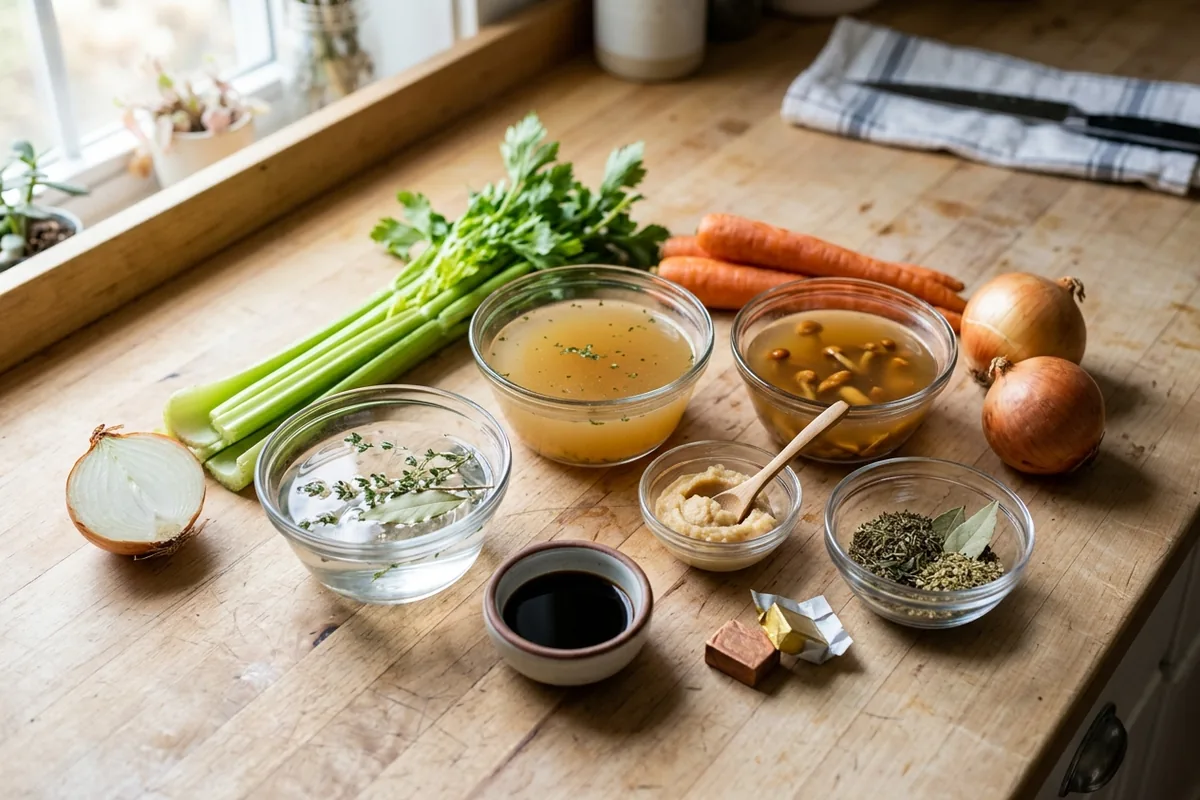
Some nights the pantry is bare and dinner is already on the stove. These are the swaps that have saved my own dinners, and they all start with plain water.
The simplest upgrade is water plus salted butter plus seasoning. Use one cup of water, one tablespoon of salted butter, and a pinch of salt along with whatever dried herbs and aromatics you have, such as garlic powder, onion powder, a bay leaf, thyme, or a few peppercorns. The butter adds richness, the seasonings add savor, and together they fake a good amount of what broth brings. This works best when broth is the background liquid, not the headline.
White wine and water is the move when you want brightness, especially for deglazing a pan or building a French-style soup. Use one quarter cup of dry white wine with three quarters cup of water and let it simmer a few minutes to cook off the raw alcohol edge. The acidity wakes up the whole pot. For an Asian-leaning soup, a small amount of dashi adds an instant savory base, but it is strong, so start with half a cup, taste, and build from there.
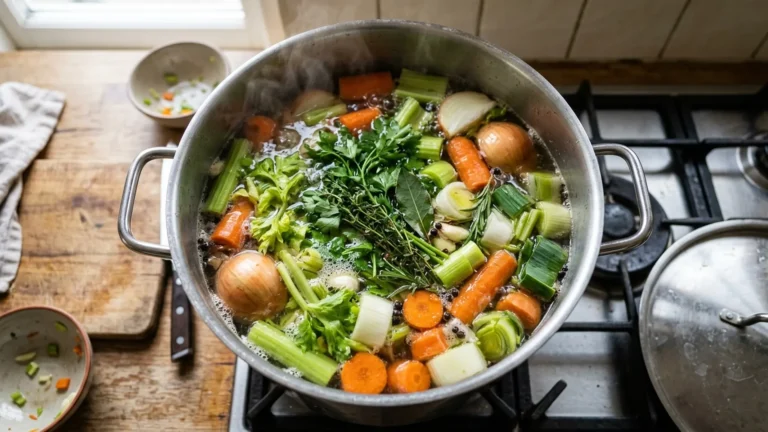
My favorite emergency move, if you happen to have a rotisserie carcass or leftover skin and bones, is a quick stovetop broth. Toss the bones, skin, an onion half, a carrot, a celery rib, and a bay leaf into a pot, cover with water, and simmer 20 to 30 minutes. Strain it, and you have real, fresh-tasting broth in less time than it takes to watch an episode of anything. It will not be as deep as a long simmer, but it beats every shortcut on flavor. If you want to do it properly with stock bones, my guide on making chicken stock covers the full method.
How Much Substitute to Use and How to Season
The math is easy: match the volume your recipe calls for. One cup of broth becomes one cup of substitute, four cups becomes four cups, and so on. The only thing that changes is how you season, and that depends entirely on the salt your swap brings.
If your substitute is salty, like bouillon, paste, or soy-based liquid, add it first and then taste before you reach for the salt shaker at all. Many a soup has been wrecked by a cook who salted on autopilot after already using a salty broth swap. If your substitute is bland, like plain water or unsalted homemade broth, you will need to build the seasoning yourself with salt, herbs, a splash of acid, and aromatics. A teaspoon of salt per quart of liquid is a reasonable starting point, but always taste your way there rather than dumping it in.
One more habit worth keeping: season in layers and at the end. Add a little salt early to help vegetables release flavor, then adjust again right before serving once the liquid has reduced and concentrated. This matters most with substitutes, because their salt levels vary so much. America’s Test Kitchen has written at length about how reducing a liquid intensifies its salt, which is exactly why tasting at the finish line saves so many pots. You can read more of their broth and seasoning testing over at America’s Test Kitchen, and The Kitchn keeps a handy roundup of pantry swaps at The Kitchn.
Matching the Substitute to the Dish
Not every swap fits every pot. Here is how I steer the choice based on what I am cooking, because the right substitute for a clear soup is the wrong one for a chili.
For clear, light soups like chicken noodle or a simple rice soup, stick to chicken stock, good bouillon, or quick homemade broth. The liquid is most of the flavor, so it needs to taste like chicken. For hearty stews, chili, and bean dishes, you have room to play: beef broth, vegetable broth, bone broth, or even water with seasoning will all work because the other ingredients carry the load. For pan sauces and gravies, white wine and water or a concentrated paste give you the savory depth and the body you need to coat a spoon. For Asian-style and noodle soups, dashi or miso in water lean right into the flavor profile and often taste better than chicken broth would anyway.
The one pairing I avoid is a bold, dark substitute in a pale, delicate soup. Beef broth in a light chicken-and-rice soup will turn it gray and heavy. When in doubt, pick the milder option and build flavor up with seasoning rather than starting with something that fights the dish.
Frequently Asked Questions
What is the best 1:1 chicken broth substitute?
Chicken stock is the best straight 1:1 swap because it is almost the same thing, just made from bones, so it brings the same savory chicken flavor with a slightly fuller body. If you do not have stock, a bouillon cube or a teaspoon of granules dissolved in one cup of hot water is the next best 1:1 option, and it is far cheaper to keep on hand.
Can I just use water instead of chicken broth?
Yes, you can use water at a 1:1 ratio, but you will lose the savory depth broth provides. Boost it with one tablespoon of salted butter per cup plus salt, garlic powder, onion powder, and dried herbs. Water works fine when broth is the background liquid, but in a soup where the broth is the main flavor, plain water will taste thin and flat without help.
How do I substitute bouillon for chicken broth?
Use one bouillon cube or one teaspoon of bouillon granules per one cup of hot water, then use that mixture exactly like broth at a 1:1 ratio. Bouillon is salty, so cut back on any salt the recipe lists and taste before adding more. For four cups of broth, dissolve four cubes or four teaspoons of granules in four cups of hot water.
Is vegetable broth a good substitute for chicken broth?
Vegetable broth is a solid substitute, especially for vegetarian cooking, used at a 1:1 ratio. It tastes milder and a little sweeter than chicken broth, so the dish will read lighter. A mushroom-based vegetable broth adds extra umami and comes closest to the savory depth of chicken broth, making it the best plant-based choice for richer soups.
Can I substitute beef broth for chicken broth?
Yes, beef broth works at a 1:1 ratio, but it is darker and bolder, so it changes the dish. It is great in hearty stews, chili, and gravies where you want a deep, meaty flavor, but it can overpower a delicate soup and tint it gray. For a light or pale soup, choose a milder substitute like chicken stock or vegetable broth instead.
How do I make a quick chicken broth substitute from leftovers?
If you have a rotisserie carcass or leftover skin and bones, simmer them in water with an onion half, a carrot, a celery rib, and a bay leaf for 20 to 30 minutes, then strain. You get a fresh, homemade-tasting broth far better than any pantry shortcut. It will not be as deep as a long-simmered batch, but it is the best emergency option when you have the scraps on hand.
Bottom Line
A missing carton of chicken broth is never a reason to abandon dinner. Reach for chicken stock or bouillon when you want the closest match, vegetable broth or miso when you need it meat-free, and water with butter and seasoning when the cupboard is nearly bare. Match the volume your recipe calls for at a 1:1 ratio, lean on a salty swap means cutting your added salt, and taste the pot before it hits the table. Keep this table handy and you will never stall over an empty broth carton again. The pot keeps simmering, and so do you.