How to freeze soup well comes down to three moves: cool it fast, portion it into airtight containers with room to expand, and leave out the ingredients that turn to mush. Chill the soup quickly in an ice bath, ladle it into freezer-safe containers or bags with headspace for expansion, label and date them, then freeze flat. Done right, most soups keep their flavor and texture for up to 3 months.
I freeze soup almost every week, because a stocked freezer is the difference between a real dinner and takeout on a bad night. But I learned the hard way that not every soup survives the freezer, and a few small habits separate a thawed bowl that tastes fresh from one that tastes like sad, separated leftovers. Let me walk you through which soups to freeze, how to package them so nothing cracks or goes grainy, and the one quality trick almost every guide skips.
Which soups freeze well, and which do not
Before you freeze anything, know what you are working with. Some soups come back from the freezer perfect, some need a small workaround, and a few just should not go in at all. Here is the decision tree I use.
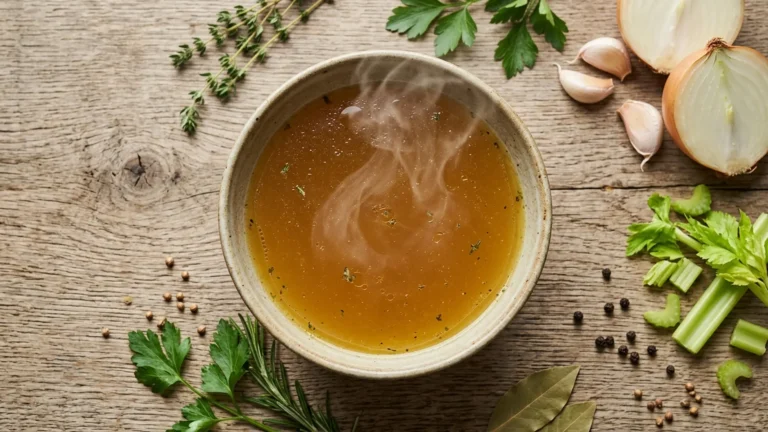
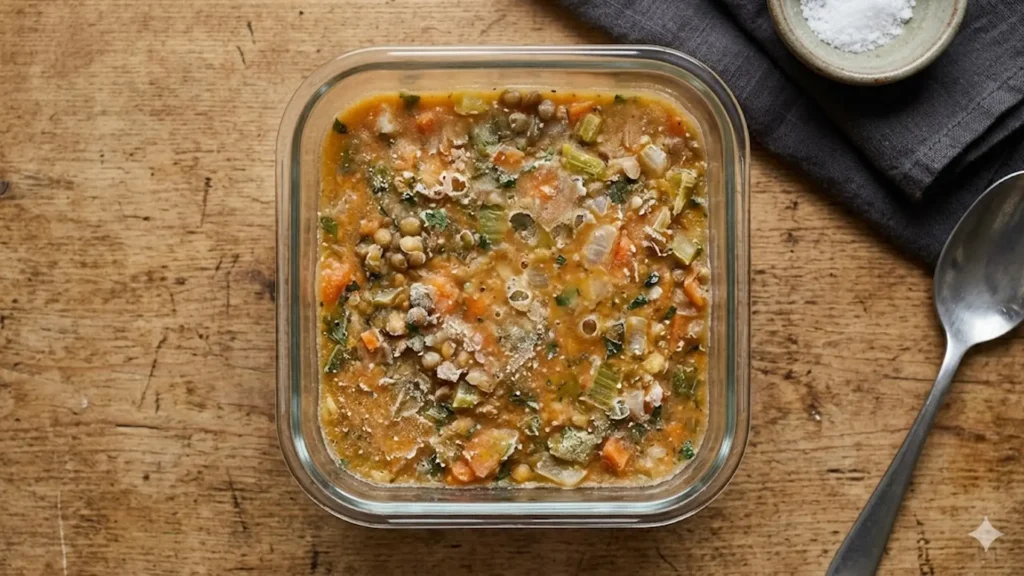
- Green light, freeze freely: broth-based soups, bean and lentil soups, vegetable soups, pureed soups, and tomato soup. These are sturdy and thaw beautifully. Most broth-forward bowls are made for this.
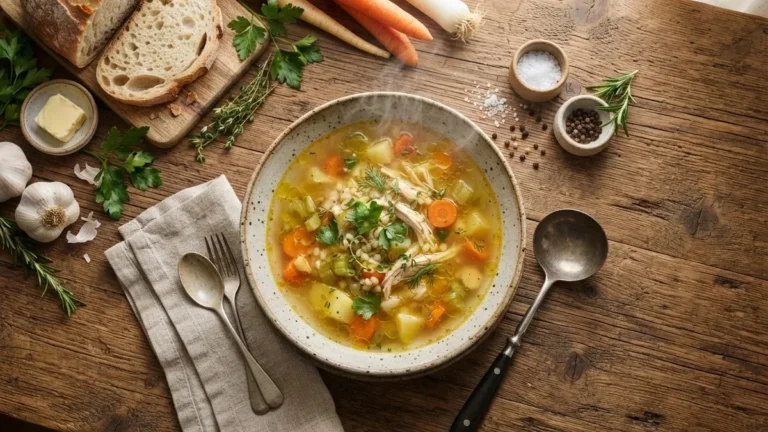
- Yellow light, freeze the base only: soups with pasta, rice, potatoes, or dairy. Freeze the broth and other ingredients, then add the starch or cream fresh when you reheat. More on why below.
- Red light, do not freeze: heavy cream bisques and most seafood soups. The cream breaks and the seafood turns rubbery and strange. These are best eaten fresh, or saved for the day you plan to serve them.
When you are not sure which category a soup falls into, ask yourself one question: what is the most fragile thing in the pot? If it is broth and beans, freeze away. If it is cream or delicate seafood, think twice or freeze only the sturdy parts. That single question sorts almost any soup in seconds.
The why matters here. Starches like pasta, rice, and potato keep absorbing liquid right up until they freeze, so by the time you thaw them they have gone bloated and mushy. Potatoes in particular turn grainy and watery. Dairy separates and curdles because freezing breaks the emulsion that keeps fat and water blended. Knowing this, you can plan around it instead of being disappointed later.
The trick almost nobody mentions: under-season
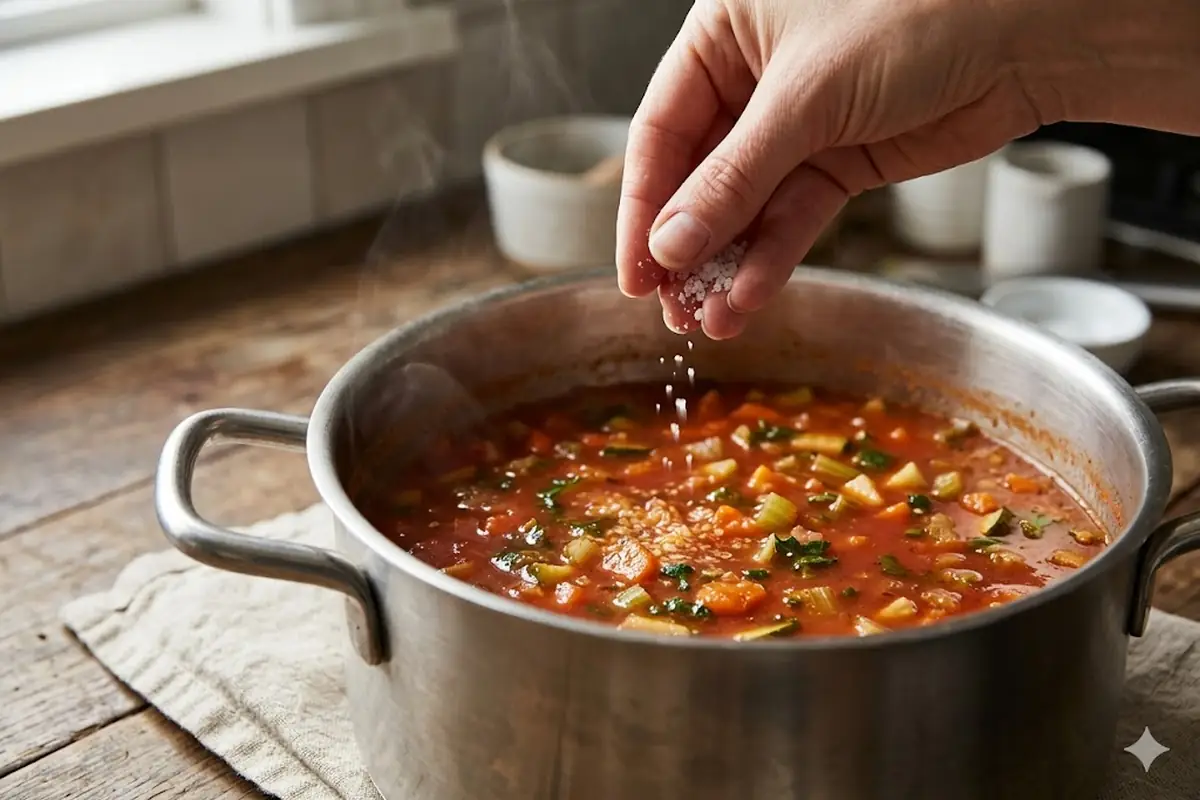
This is the quality move the recipe blogs leave out. Freezing changes how seasonings taste. Garlic, pepper, and many herbs intensify in the freezer and can come back harsh or bitter. Meanwhile salt, onion, and warm spices like paprika and curry tend to fade or shift. So a soup that tasted perfectly balanced the day you made it can come out of the freezer either too sharp or weirdly flat.
The fix is simple. Season your soup a touch lighter than usual if you know it is headed for the freezer, then taste and adjust when you reheat it. A fresh hit of salt, a crack of pepper, or a handful of fresh herbs at reheat wakes the whole bowl back up. I keep this in mind especially with garlicky or peppery soups, since those are the ones most likely to turn aggressive after a month in the cold. The same goes for acid. A squeeze of lemon or a splash of vinegar added at reheat, never before freezing, brightens a soup that has gone a little flat in storage and makes it taste freshly cooked.
Cool it down fast and safely
Never put a hot pot of soup straight into the freezer. A big warm mass cools slowly, which both raises the temperature of everything around it and lets bacteria grow in that warm middle. You want to get the soup out of the danger zone, below 40 degrees F, within about two hours.
The fastest method is an ice bath. Set your pot in a sink or large pan filled with ice water and stir the soup so the heat escapes quickly. For an even faster chill, ladle the soup into shallow containers, since a thin layer cools far quicker than a deep pot. Quick cooling also makes for better texture, because slow freezing forms big ice crystals that rupture the soup and leave it watery, while fast chilling keeps those crystals small. Speed protects both safety and quality at once.
Containers, headspace, and the expansion rule
Liquid expands as it freezes, so every container needs room or it will crack, pop its lid, or split a bag. The amount of headspace depends on how liquid the soup is. For a mostly solid, chunky soup, leave about half an inch at the top. For a mostly liquid, brothy soup, leave a full inch and a half. That extra room is not optional, especially with glass jars, which crack without it.
For containers, you have good options. Rigid freezer-safe plastic containers in 16, 32, and 64-ounce sizes stack neatly. Wide-mouth canning jars work too, just respect the headspace. My favorite trick is freezer bags. Ladle the soup in, press out the air, seal, and lay the bag flat on a sheet pan to freeze. Once solid, the flat bricks stack vertically like files and take up almost no room. Silicone portion trays in one-cup and two-cup sizes are great for single servings you can pop out as needed, then transfer the frozen pucks into one big bag so they do not tie up the tray. This gives you grab-and-go portions for a quick lunch without thawing a whole container.
Always label every container with the soup name and the date. Frozen soup all looks the same under frost, and you will not remember. The principles for keeping a bowl tasting fresh carry over from how you cook it in the first place, which I get into in my guide on how to make soup stock, since a well-built base freezes and revives far better than a thin one.
The freeze the base, finish later method
This is how I handle the yellow-light soups. Say you love a chicken and rice soup or a creamy potato chowder but want to freeze a batch. Make the soup without the rice, potato, or cream. Freeze just that base, the broth, vegetables, and protein, which all freeze cleanly. Then on the night you thaw it, cook fresh rice or potato to stir in, or whisk in the cream as it reheats.
You get the convenience of a freezer meal with the texture of something just made. It takes ten extra minutes at reheat and saves the soup from going gluey or grainy. The same logic applies to a noodle soup. Freeze the brothy base and boil fresh noodles to add at the bowl. For anyone cooking around dietary needs, this method also makes it easy to keep a batch flexible, which pairs well with the swaps in my notes on gluten free soup.
Freezing soup in mason jars without cracking them
Glass jars are reusable and let you see what is inside, but they crack in the freezer if you rush. The cause is almost always too little headspace or too sudden a temperature change. To freeze soup in jars safely, use straight-sided or wide-mouth jars rather than ones that curve in at the shoulder, since the shoulder traps expanding ice and snaps the glass.
Cool the soup fully in the fridge first, then fill the jar leaving that full inch and a half of headspace for liquid soups. Leave the lid off or loosely on until the soup is frozen solid, then tighten it. This lets the soup expand upward freely before you seal it. I also let jarred soup thaw in the fridge rather than going from freezer to hot water, because the shock of fast temperature change is another way glass cracks. Treat the jar gently and it will serve you for years.
Thawing and reheating without ruining it
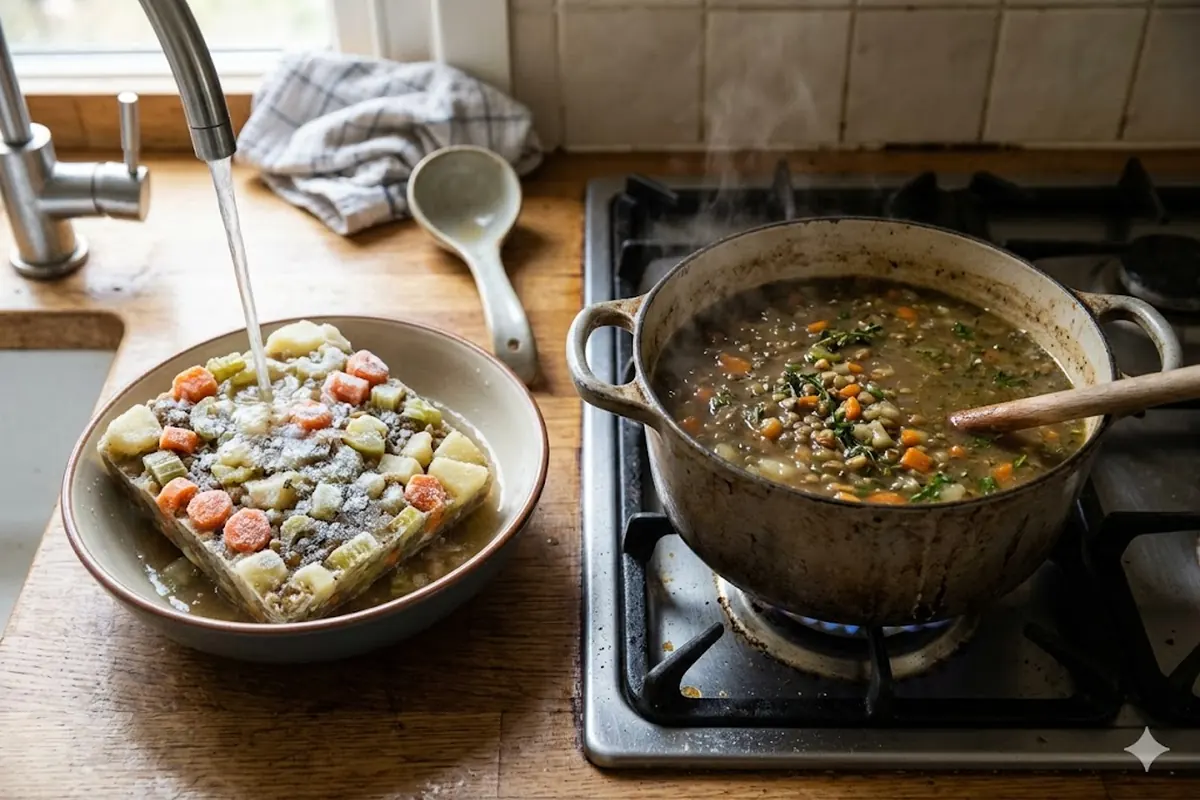
The best way to thaw frozen soup is overnight in the refrigerator, which keeps it food-safe and lets it come back gently. If you forgot, you can reheat from frozen straight on the stove over low to medium heat, stirring often as it loosens, or thaw a bag under cool running water for a faster start.
When you reheat, bring the soup all the way up to a rolling boil, or at least 165 degrees F throughout, for food safety. On the stove, medium heat with frequent stirring is ideal. In the microwave, use about 50 percent power and heat in intervals, stirring between, so you do not get a scalding edge and a frozen center. If the soup is a cream-based one you froze anyway, reheat it gently over low heat or a double boiler and stir constantly to coax the texture back together. And this is your moment to taste and re-season, since the freezer will have dulled or sharpened things.
The chowder I ruined, and what it taught me
I once made a big, gorgeous potato corn chowder, cream and all, and froze half of it whole because I was proud of it and wanted it again. A few weeks later I thawed it expecting a treat. What I got was a broken, grainy mess. The cream had separated into curdled flecks and the potatoes had gone watery and mealy. No amount of stirring brought it back. I ate it, but it was a shadow of the original.
That batch is exactly why I now freeze the base and finish later for anything with dairy or potato. The next time I made that chowder, I froze just the broth, corn, and aromatics, then added fresh diced potato and a splash of cream at reheat. It tasted like I had made it that afternoon. One ruined pot rewired my whole approach to freezing, and it is the reason this article leans so hard on that one method. America’s Test Kitchen has a useful deep dive on freezer storage if you want the science spelled out, and Bon Appetit keeps a solid library of make-ahead strategies worth a look.
Make a freezer soup stash worth having
Once you have the method down, it pays to cook with the freezer in mind. When I make a pot of chili or a hearty bean soup, I double the batch on purpose and freeze half in single portions. Future me is always grateful. A freezer stocked with labeled, portioned soup turns a rough evening into a five-minute dinner, and it cuts food waste because nothing languishes in the fridge. I keep a running inventory on a sticky note on the freezer door, listing what is in there and the date, so I actually use what I store instead of letting it drift to the back and get buried. It takes thirty seconds to update and saves a surprising amount of food.
Round out the stash with sturdy, freezer-friendly favorites and you will always have options. If you want to add a quick carbohydrate side to those thawed bowls, a tray of chicken pasta from Pastapeak cooks up fast and rounds the meal into something satisfying.
Common mistakes that wreck frozen soup
A few errors come up again and again, and each one is easy to avoid. The first is freezing soup in one giant container. A single half-gallon block takes forever to freeze and just as long to thaw, and you are forced to defrost the whole thing even when you want one bowl. Portion it into single or family servings instead, so you only thaw what you need.
The second is forgetting to press the air out of freezer bags. Air trapped against the soup causes freezer burn, those dry, off-tasting patches that ruin texture. Lay the bag flat and push the air out before you seal it, or use a straw to draw out the last bit before zipping it closed. The third is overfilling, which leads to the cracked containers and burst bags we already covered. And the fourth is skipping the label, which turns your freezer into a mystery box of identical frosty bricks. None of these mistakes are hard to dodge once you know to watch for them, and avoiding them is the difference between a freezer you actually use and one full of forgotten science experiments.
Frequently asked questions
How long can you freeze soup?
Most soups keep their best flavor and texture for up to 3 months in the freezer, and they stay safe to eat longer if held at a steady freezer temperature. For top quality, aim to use frozen soup within 4 to 6 months. Always label each container with the date so you can track it.
Can you freeze creamy or dairy-based soups?
It is not ideal, because dairy separates and curdles when frozen and thawed, leaving a grainy texture. The better approach is to freeze the soup base without the cream, then whisk in fresh dairy as you reheat. If you must freeze a cream soup, reheat it gently over low heat and stir constantly to bring it back together.
Why does my frozen soup get watery or mushy?
Usually because of starchy ingredients like pasta, rice, and potatoes, which keep absorbing liquid until they freeze and turn bloated and grainy on thawing. Slow freezing also forms large ice crystals that rupture the soup and release water. Freeze the base without the starch, cool it fast, and add fresh starch at reheat.
How much headspace should I leave when freezing soup?
Leave about half an inch for a chunky, mostly solid soup and a full inch and a half for a brothy, mostly liquid one. Liquid expands as it freezes, so this room prevents cracked containers and burst bags. Glass jars especially need the extra space to avoid shattering.
Should I cool soup before freezing it?
Yes, always. Putting a hot pot in the freezer cools slowly, which is a food-safety risk and forms large ice crystals that hurt texture. Chill the soup quickly in an ice bath or in shallow containers to get it below 40 degrees F within two hours, then freeze. Fast cooling protects both safety and quality.
What is the best way to reheat frozen soup?
Thaw it overnight in the fridge, then reheat on the stove over medium heat, stirring often, until it reaches a rolling boil or at least 165 degrees F. You can also reheat from frozen over low heat or microwave at 50 percent power in intervals, stirring between. Taste and re-season at the end, since freezing shifts flavors.
Which soups freeze the best?
Broth-based, bean and lentil, vegetable, pureed, and tomato soups freeze the best because they have no fragile dairy or starch to break down. Hearty stews and chilis also freeze wonderfully. Save cream bisques and seafood soups to eat fresh, since those do not survive the freezer well.