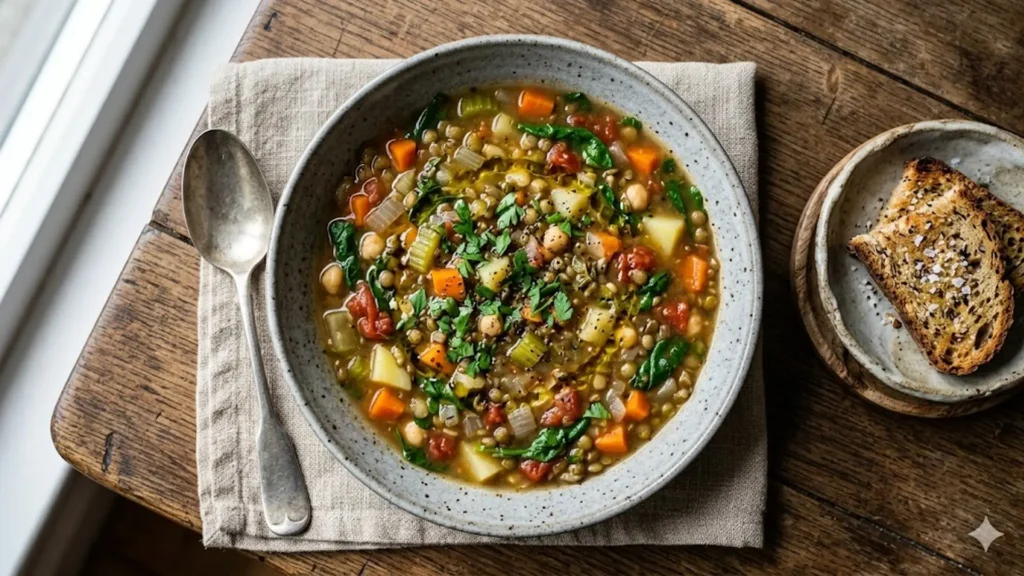
Gluten free soup ought to be the simplest thing on the stove. A pot of broth and vegetables is gluten free by nature, after all. And yet this is one of the sneakiest places for wheat to hide, because the danger almost never sits in the ingredients you would expect. It hides in a box of broth thickened with flour, a bouillon cube spiked with hydrolyzed wheat protein, the splash of soy sauce in a quick Asian bowl, the roux under a chowder. I cook a lot of soup, and the question people bring me is rarely how to make a gluten free bowl taste good. It is how to make it actually safe for someone with celiac disease, while still tasting like the soup they remember.
This guide covers all of it: every place gluten hides, how to read a broth label like a detective, the thickening methods that work without wheat and which ones suit which soups, the noodle and grain options that hold up, cross-contamination in a shared kitchen, and how to store and reheat without turning gluten free pasta to mush. I am Elsie, and I am going to be specific, because vague advice is what gets people sick.
Why Soup Is a Surprisingly Common Source of Hidden Gluten
A homemade pot of soup built from whole ingredients is almost always gluten free by default. The problem is that very few people build soup entirely from scratch. Most lean on at least one shortcut product, and shortcut products are exactly where wheat hides. Canned and boxed soups frequently use wheat flour or modified food starch as a thickener. Bouillon cubes and powdered broth bases often contain hydrolyzed wheat protein for savory depth. Even a humble can of cream of mushroom soup, the backbone of a thousand casseroles, is traditionally thickened with wheat flour. The dish looks harmless, but the convenience products carry the risk.
For someone with a mild sensitivity, a trace might cause discomfort. For someone with celiac disease, even cross-contamination at the level of crumbs can trigger an autoimmune response. That is why gluten free soup is not just about leaving out obvious wheat. It is about auditing every single component that goes into the pot.
The Broth Problem: Read Every Label
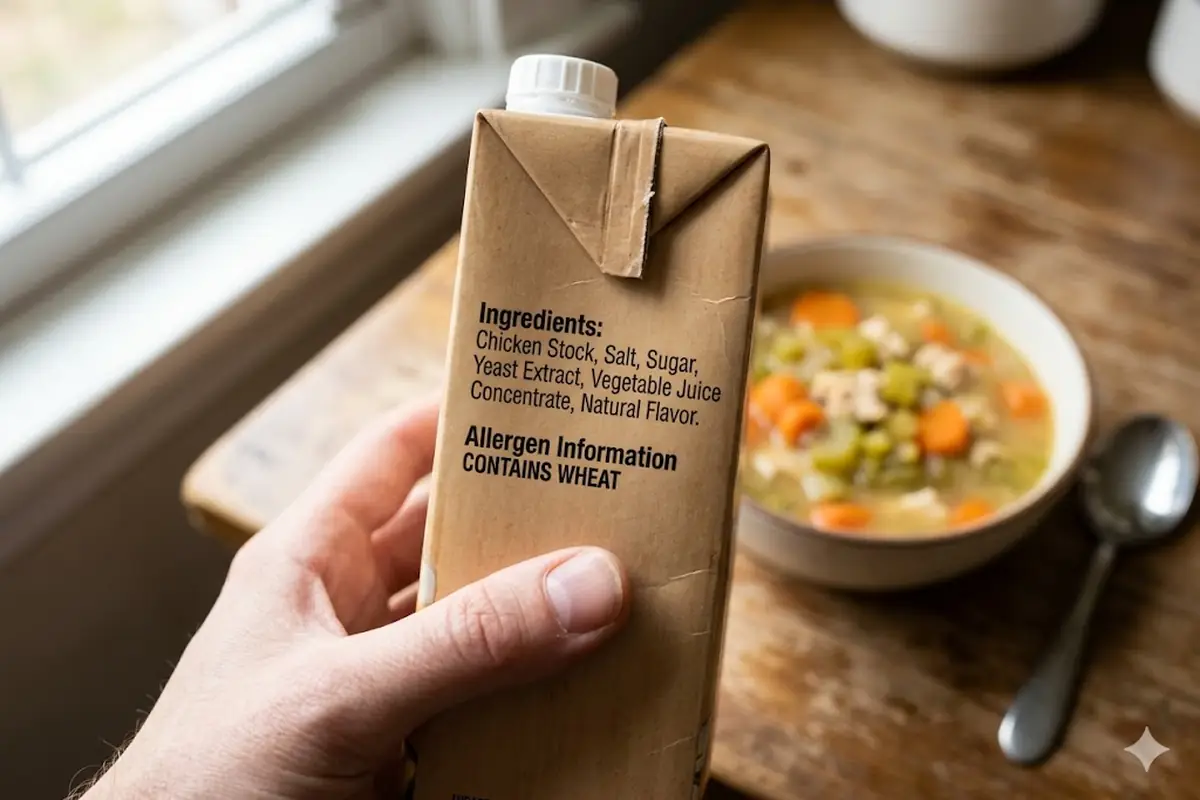
Broth is where most people get caught. It is easy to assume that chicken broth is just chicken and water, but many commercial broths, stocks, bone broths, bouillon cubes, and powdered bases are not gluten free. They use wheat-derived flavor enhancers or are produced on shared lines. The single most important habit for gluten free soup is to read the broth label every time, because brands reformulate and a product that was safe last year may not be safe now. Look for a certified gluten free seal, not just the absence of the word wheat, since cross-contamination during manufacturing will not show up in the ingredient list.
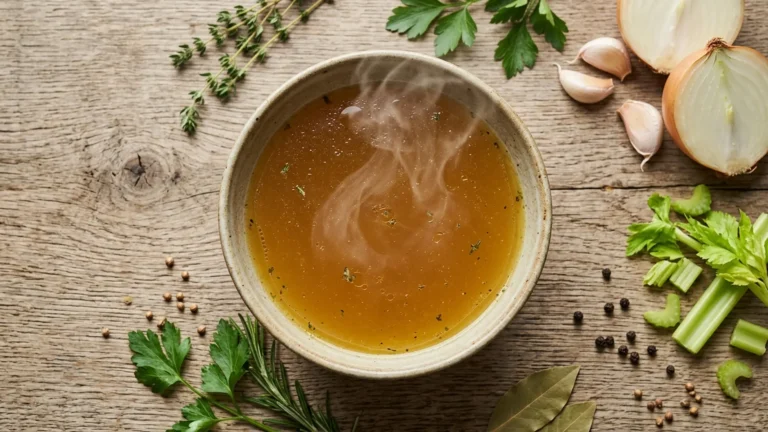
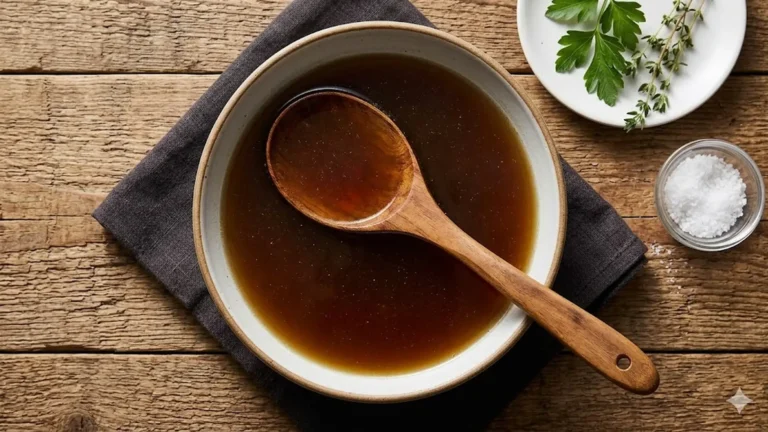
The most reliable fix is to make your own stock from bones, vegetables, and water, which is gluten free by definition and tastes far better than anything from a box. A homemade stock is the foundation of every great soup, and the same gelatin-rich body that makes a good broth satisfying is worth understanding. My honest look at whether beef broth is good for you walks through why a real bone broth has body and nutrition that powdered bases cannot fake. If you do buy broth, organizations like America’s Test Kitchen regularly test and rate which commercial broths actually deliver, which helps you pick a brand worth trusting.
Thickening Gluten Free Soup Without Wheat
Traditional soups get their body from a roux, which is wheat flour cooked in fat. Remove the wheat and you need another plan, and the right plan depends on the soup. Here are the methods that actually work, matched to where they shine.
A gluten free roux is the closest swap. Use equal parts butter and either sweet rice flour or a cup-for-cup gluten free flour blend, cooked together before you add liquid. Sweet rice flour is my favorite here because it thickens smoothly and does not leave a gritty or beany aftertaste. This is ideal for creamy soups and chowders that want that classic velvety body.
Pureeing is the cleanest method and adds zero foreign flavor. Blend a portion of the cooked vegetables, or stir in pureed potato, white beans, or soaked cashews, then return it to the pot. This is how a butternut squash bisque or a potato soup gets thick without any flour at all, and it adds nutrition rather than just starch.
For brothy or Asian-style soups, a cornstarch or arrowroot slurry thickens fast and stays clear. Whisk a tablespoon into cold water first, stir it into the hot soup, and bring it up to a simmer so it sets. If you know the soup is headed for the freezer, reach for arrowroot, because cornstarch tends to weep once thawed.
Finally, reduction costs nothing: simmer the soup uncovered to concentrate it. The detailed comparison of these methods is something most quick recipe posts skip, but matching the thickener to the soup is what separates a good gluten free bowl from a gummy one.
Noodles, Grains, and Starches That Hold Up
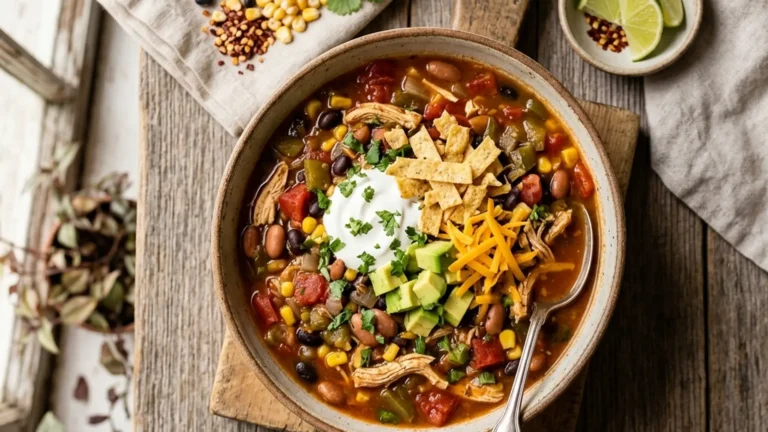
If you want a gluten free chicken noodle soup, the noodle is the make-or-break ingredient. Many gluten free pastas turn to mush in hot broth, especially corn-based ones left to sit. Brown rice pasta and corn-quinoa blends hold their texture better than pure corn, and Jovial and Barilla gluten free lines are commonly recommended for soup. The single best trick is to cook the pasta separately and add it to each bowl at serving time rather than letting it sit in the pot, because gluten free pasta keeps absorbing liquid and falling apart the longer it stews.
Beyond pasta, you have great naturally gluten free options. Rice, especially short-grain or jasmine, is a classic in chicken and rice soup. Quinoa adds protein and holds its shape. Gluten free egg noodles exist if you want that traditional bite. Potatoes, lentils, and beans all add heft without any grain at all. And if you want something to serve alongside, a good gluten-free bread rounds out the meal without breaking the diet. Each of these brings its own personality, so choose based on the soup rather than defaulting to pasta every time.
Hidden Gluten in Seasonings and Condiments
Past the broth and the noodles, the smallest ingredients cause the most missed mistakes. Soy sauce is brewed with wheat and will ruin an otherwise safe Asian-inspired soup unless you swap in tamari or certified gluten free soy sauce. Some pre-mixed seasoning blends and spice mixes use wheat or wheat-based anticaking agents, so buy single-ingredient spices when you can or check blends carefully. Worcestershire sauce can contain malt vinegar derived from barley. Imitation crab in seafood soups is bound with wheat starch. Even some shredded cheeses use wheat-based anticaking powder. None of these are obvious, and all of them have caught people who thought they had a clean bowl.
Cross-Contamination in a Shared Kitchen
For anyone with celiac disease, ingredient lists are only half the battle. The other half is the kitchen itself. A wooden spoon that stirred a wheat-flour gravy, a colander that drained regular pasta, a cutting board with bread crumbs, or a pot of boiling water shared with wheat noodles can all introduce gluten. Use clean utensils and dedicated equipment where possible, cook gluten free pasta in fresh water, and keep gluten free soup well away from any wheat flour dusting in the air while you cook. These steps feel fussy, but for a true celiac they are the difference between a comforting meal and a flare-up.
Naturally Gluten Free Soups to Start With
The easiest path into gluten free soup is to lean on soups that are gluten free by nature, then just protect the broth. Tomato soup, vegetable soup, lentil soup, butternut squash bisque, and most pureed vegetable soups need no special swaps beyond a safe stock. A homemade tomato soup, for instance, is naturally gluten free and only needs a trustworthy base and a thickening method that does not involve flour. My complete guide to a perfect homemade tomato soup shows how to get a rich, thick bowl without any wheat at all. From there you can branch into chicken and rice, white bean and kale, or a chunky vegetable beef soup, all of which adapt cleanly. A hearty vegetable beef soup becomes gluten free simply by checking the broth and skipping any flour dredge on the meat.
Creamy Gluten Free Soups Without the Wheat
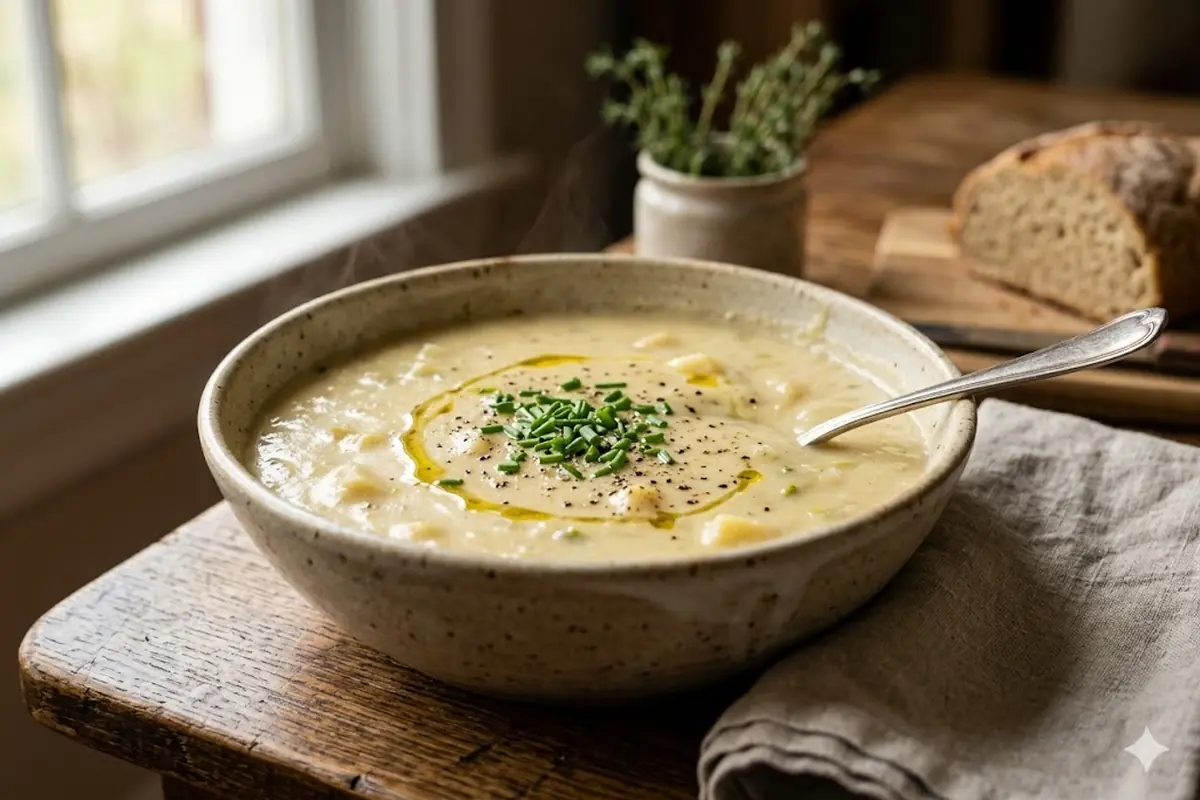
Cream soups feel like the hardest category to make gluten free because the classic versions all start with a flour roux, but they are actually some of the easiest once you know the moves. A potato leek soup gets its body from the potatoes themselves when blended. A cream of mushroom can be thickened with a sweet rice flour roux or a cornstarch slurry and finished with cream. A broccoli cheddar soup thickens beautifully with pureed potato plus the cheese itself. The key insight is that the flour in a traditional cream soup is doing structural work that potatoes, blended vegetables, or a gluten free starch can do just as well. Finish with heavy cream off the boil for richness, and nobody at the table will know the difference.
Adapting Your Favorite Recipes to Gluten Free
Most soups do not need a dedicated gluten free recipe. They need you to change maybe two lines in the recipe you already own. The liquid is the place to start, so ask whether your broth is certified gluten free or whether you are simmering your own, and swap it if the answer is neither. Then the thickener. If the recipe leans on a flour roux or tells you to dredge the meat in flour before browning, drop the dredge and rebuild the roux with sweet rice flour, or just blend in some of the cooked vegetables instead. Pasta is the next thing to look at, and the easy move is a gluten free pasta cooked in its own pot, though I often pivot to rice or potatoes and forget the noodle question entirely. Last, the condiments nobody reads: tamari instead of soy sauce, and a quick glance at the Worcestershire and any seasoning blend. Make those checks a reflex and you stop needing special recipes at all.
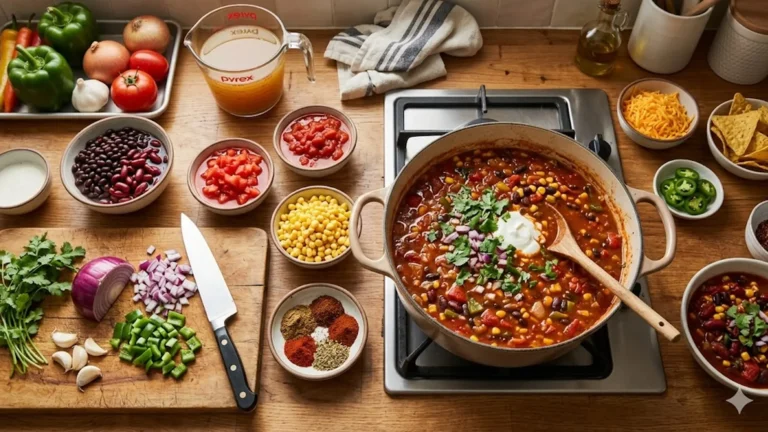
This matters because the soups people miss most after a celiac diagnosis are usually the family recipes, not the trendy ones. A grandmother’s chicken noodle, a chowder from a coastal vacation, a chili that simmered every football Sunday. Almost all of them can be rebuilt safely with these swaps, and the flavor that made them special lives in the aromatics, the simmer, and the care, not in the wheat.
Eating Gluten Free Soup Away From Home
Soup is one of the trickier things to order out, because you cannot see the broth base or the thickener and the kitchen may not know what is in their bouillon. The safest bets at a restaurant are clear, brothy soups where you can ask whether the stock is house-made, and pureed vegetable soups that are unlikely to be thickened with flour. Be wary of cream soups, anything labeled bisque, and Asian noodle soups where soy sauce is almost always wheat-based. Always ask whether the soup is thickened with flour and whether the broth contains any wheat, and if the staff cannot answer confidently, choose something else. For a true celiac, when in doubt, leave it out.
Storing, Freezing, and Reheating Gluten Free Soup
Most gluten free soups store and freeze just as well as their wheat counterparts, with one exception: the pasta. Gluten free noodles keep absorbing liquid and turn to paste in storage, so the rule is to store the broth and the noodles separately and combine them only when serving. Brothy and pureed soups keep three to four days in the fridge and up to three months in the freezer. If your soup is thickened with cornstarch, expect it to weep a little when thawed and simply whisk it back together while reheating, or use arrowroot upfront if you know you will freeze it. Cream-based soups should be cooled fully before freezing and reheated gently over low heat to keep the dairy from breaking. A splash of fresh stock or cream loosens any soup that thickened in the fridge.
Frequently Asked Questions
Is all soup gluten free?
No. While a soup made entirely from whole ingredients is naturally gluten free, most soups pick up gluten from shortcut products. Canned soups often use wheat flour as a thickener, bouillon and broth bases can contain hydrolyzed wheat protein, and creamy soups traditionally start with a flour roux. Always check every packaged component rather than assuming a soup is safe.
How do I thicken gluten free soup?
You have several good options. Make a roux with butter and sweet rice flour or a cup-for-cup gluten free blend, puree some of the cooked vegetables or stir in pureed potato or white beans, or whisk in a cornstarch or arrowroot slurry for brothier soups. You can also simply simmer the soup uncovered to reduce and concentrate it. Match the method to the soup for the best texture.
Is store-bought chicken broth gluten free?
Not always. Many commercial broths, stocks, and bouillon products contain wheat-derived flavorings or are made on shared lines. Look for a certified gluten free label rather than just the absence of wheat in the ingredient list, since cross-contamination during manufacturing will not appear there. Making your own stock from bones and vegetables is the safest route.
What noodles can I use in gluten free chicken noodle soup?
Brown rice pasta, corn-quinoa blends, and certified gluten free egg noodles all work. Avoid letting any gluten free pasta sit in the broth, because it keeps absorbing liquid and turns mushy. Cook the noodles separately and add them to each bowl at serving time for the best texture, especially with leftovers.
What hidden ingredients contain gluten in soup?
Watch for soy sauce, which is brewed with wheat unless it is tamari, plus Worcestershire sauce, some seasoning blends with wheat anticaking agents, imitation crab bound with wheat starch, and certain shredded cheeses dusted with wheat-based powder. These small ingredients are the most commonly missed sources of gluten in an otherwise safe pot.
Can I make creamy soup gluten free?
Cream soups are easier than they look. Drop the traditional flour roux and get your body from a sweet rice flour roux, a starch slurry, or simply by blending potatoes or vegetables right into the pot. Stir the cream in once the soup is off the boil so it does not break. Potato and squash soups barely need any of this, since the vegetables already carry the weight.
The Takeaway
Anyone can make gluten free soup that is both safe and worth eating, including people managing celiac disease. What it asks for is attention, not luck. The soup itself was never the problem. The problem is always the shortcut products and the shared utensils, and once you have trained yourself to audit those, you stop thinking about it. Make your own stock when you have the time, pick a thickener that suits the bowl in front of you, keep the pasta out of the leftovers, and the worry mostly disappears. For more on cooking safely for celiac kitchens, Bon Appetit has solid guidance, and from there the best teacher is your own pot.