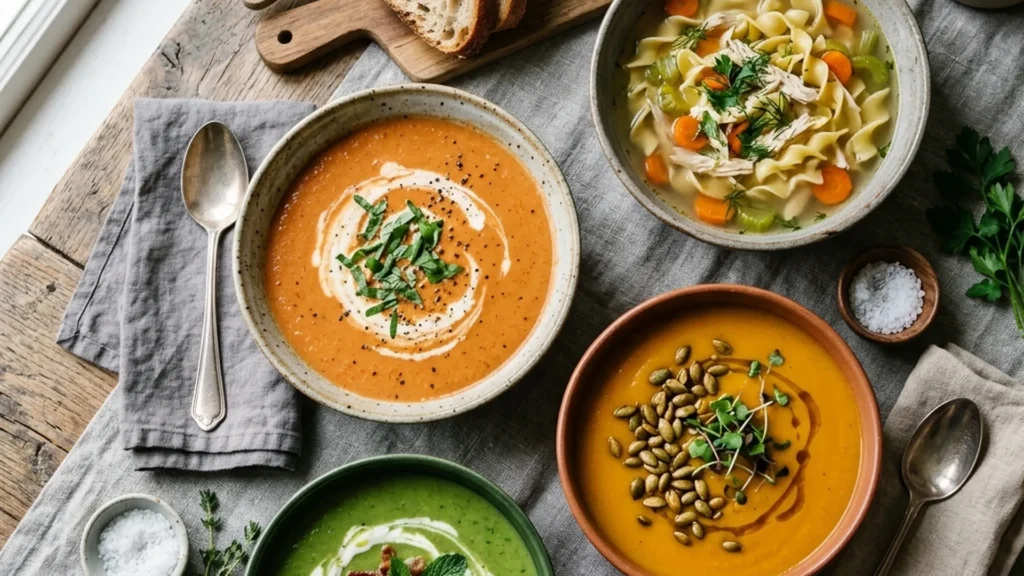
Top soups are easy to list and hard to choose between, so this guide does both: the bowls genuinely worth your time, plus a framework for picking the right one for tonight. If you want the short answer, the most beloved soups across home kitchens and around the world are chicken noodle, French onion, minestrone, tomato, miso, beef noodle, tom kha gai, split pea, and a great bean or lentil soup. Each earns its spot for a different reason, and the best one for you depends on how much time you have, what you are craving, and whether you want leftovers.
Most “best soup” lists hand you twenty names and a stack of pretty photos, then leave you to figure out which one to actually cook. I have made nearly all of these many times, and what I kept wishing those lists included was the practical stuff: how long each really takes, which freeze well, and which one to reach for when you are tired versus when you have a Sunday to spend. So that is what this is. The famous bowls, yes, but sorted so you can choose with confidence instead of scrolling forever.
The top soups at a glance
Here is the comparison the recipe roundups never give you. Each of these soups is widely loved for good reason, and this table sorts them by what actually matters when you are deciding what to make.
| Soup | Type | Effort | Active time | Freezes well? |
|---|---|---|---|---|
| Chicken noodle | Brothy, savory | Easy | 30-45 min | Base yes, noodles no |
| French onion | Rich, sweet-savory | Medium | 60-90 min | Yes (without bread) |
| Minestrone | Hearty, vegetable | Easy | 40 min | Yes (pasta separate) |
| Tomato | Creamy or brothy | Easy | 35 min | Yes |
| Miso | Light, umami | Easy | 15 min | No (best fresh) |
| Split pea | Thick, smoky | Easy | 75 min | Yes |
| Tom kha gai | Creamy, spicy-sour | Medium | 35 min | No (coconut splits) |
| Beef stew | Rich, hearty | Medium | 2.5-3 hr | Yes, beautifully |
Notice how much the active time spreads, from a 15-minute bowl of miso to a three-hour beef stew. That single column is usually the deciding factor on a weeknight, and it is exactly what the fame-ranked lists leave out.
How to pick the right soup for tonight
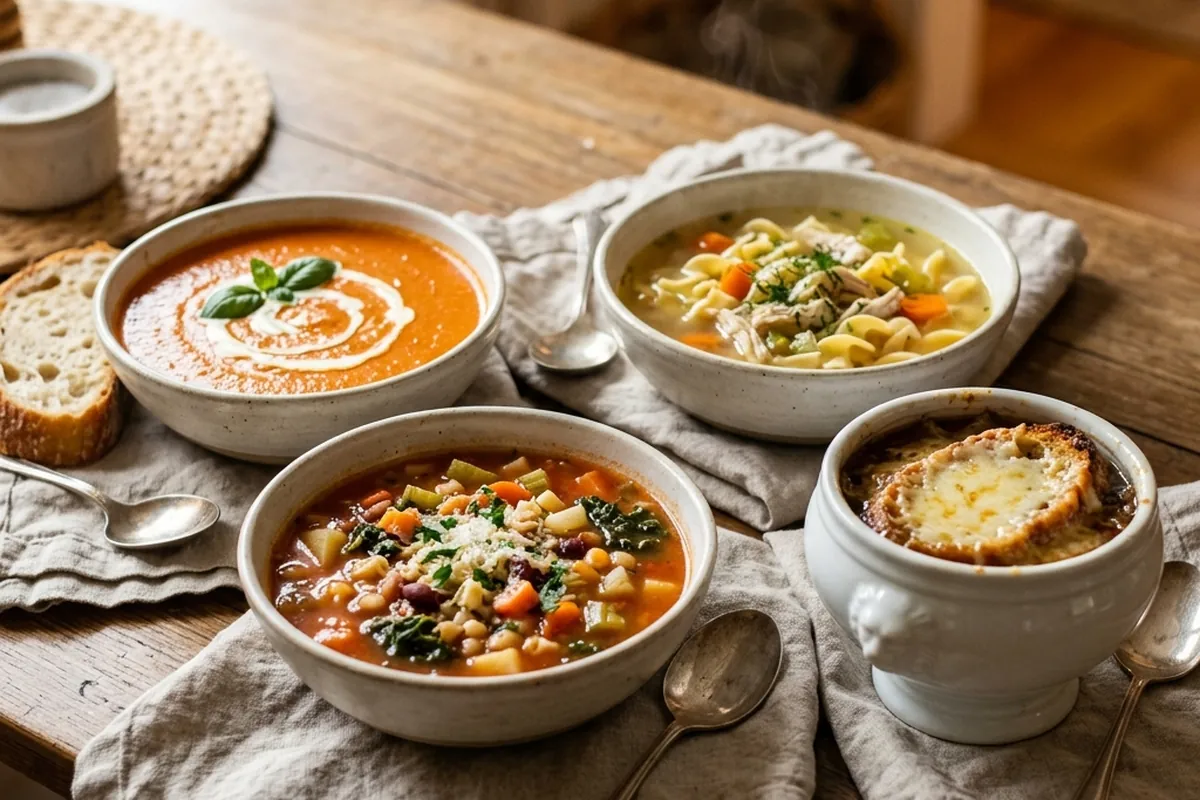
Famous does not mean right for your evening. The way I actually choose runs through three quick questions, and you can answer them in about ten seconds standing in the kitchen.
How much time do you have? Under 20 minutes points you to miso, a quick tomato, or an egg-drop style bowl. Around 40 minutes opens up minestrone, chicken noodle, and most bean soups. A free afternoon is when you make French onion or beef stew, the soups that reward slow time and cannot be rushed.
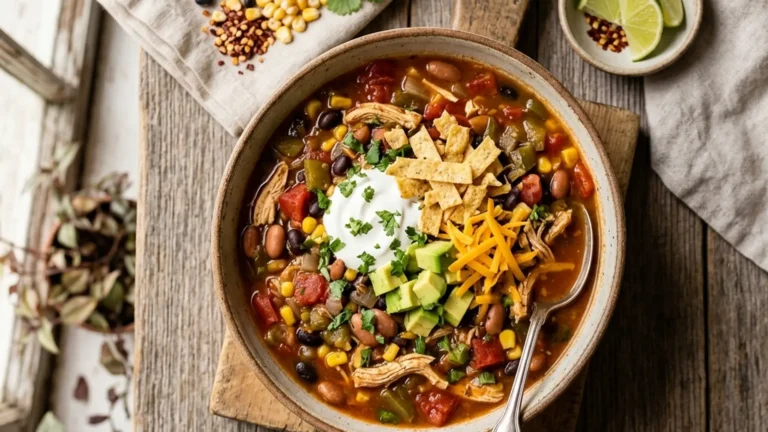
What are you craving? Match the bowl to the feeling. Want comfort and warmth? Chicken noodle or tomato. Want something light and clean? Miso or a brothy vegetable soup. Want rich and indulgent? French onion or a creamy bisque. Want bright and bold? Tom kha gai or a spicy tortilla soup. Craving is a better guide than any ranking, because the “best” soup you do not feel like eating is the wrong soup.
Do you want leftovers? If you are cooking to stock the freezer, lean on the soups that batch and freeze well: split pea, minestrone, beef stew, and most bean soups. If you just want one good meal now, the freezer question does not matter and you can pick the delicate ones like miso or tom kha gai that are best eaten the day they are made.
The everyday champions worth mastering
A handful of soups earn permanent spots in a home cook’s rotation because they are reliable, flexible, and loved by almost everyone. These are the ones I make most.
Chicken noodle is the one I cook more than any other, full stop. It is forgiving, it uses pantry staples, and a good homemade version built on real stock outclasses anything from a can. The trick is to cook the noodles separately and add them per bowl so they never bloat in storage. The right blend of seasoning makes or breaks it, which is why I keep a careful eye on the herbs and aromatics; my breakdown of what spices go in chicken noodle soup covers exactly which ones pull their weight.
Tomato soup is the fastest path to comfort and endlessly adaptable, from a clean brothy version to a rich creamy one. It also happens to be the easiest to scale and freeze, which makes it a smart batch-cook choice. My full homemade tomato soup guide walks through getting the texture right whether you want it smooth or rustic.
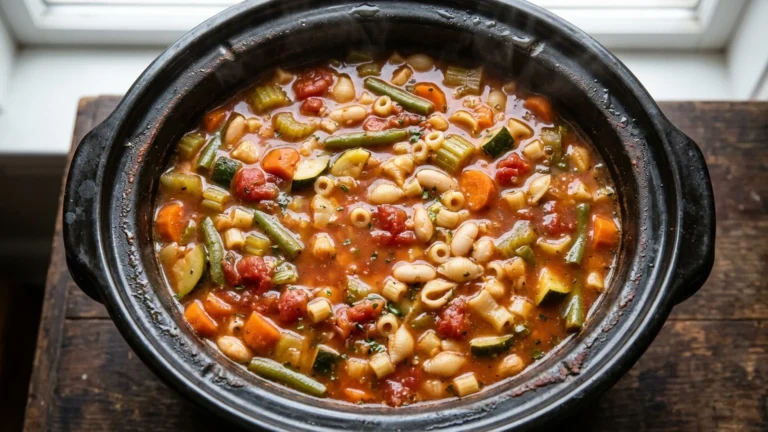
Minestrone is the great clean-out-the-fridge soup, a hearty Italian vegetable bowl that bends to whatever produce you have. It is naturally high in fiber and freezes well as long as you keep the pasta separate.
The slow-and-special soups
Some top soups are not weeknight food, and that is the point. They ask for time and give back depth you cannot get any other way.
French onion lives or dies on the onions. The whole soup is built on caramelizing a big pile of sliced onions low and slow for 45 minutes or more until they turn deep brown and jammy, which is where the sweet, savory backbone comes from. Rush that step and you get a thin, oniony broth instead of the real thing. It is the soup I make when I want to spend an afternoon in the kitchen and end up with something that tastes like a restaurant made it.
Beef stew sits at the hearty end of the soup family, somewhere between soup and braise. The reward for two-plus hours of gentle simmering is fork-tender meat and a glossy, deeply flavored broth, and it freezes better than almost any other soup. If you want to make it nearly hands-off, my method for beef stew in a crock pot lets the slow cooker do the work while you go about your day.
Split pea is humble and slow but almost effortless, simmering down into a thick, smoky bowl over about 75 minutes with very little attention. A ham bone or smoked turkey leg turns it from good to memorable.
The global soups worth seeking out
Some of the best soups in the world come from outside the usual American rotation, and they are worth the small learning curve. TasteAtlas, which ranks soups by crowd ratings, consistently puts a few international bowls near the top, and they deserve the attention.
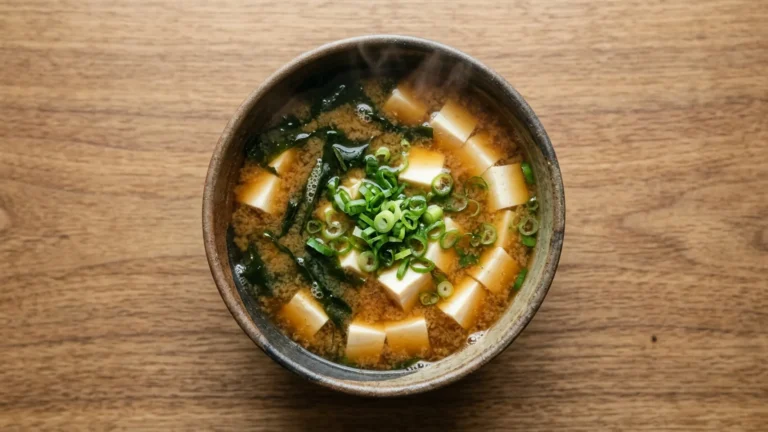
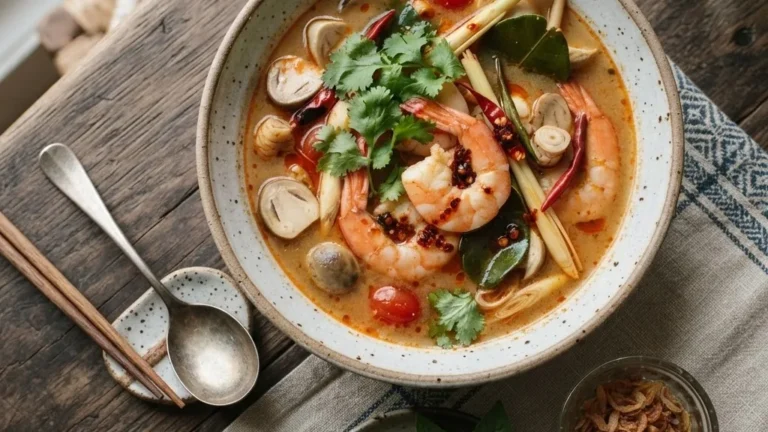
Tom kha gai, the Thai coconut chicken soup, balances creamy coconut milk against sour lime and the citrusy heat of galangal and lemongrass. It is one of the most addictive flavor combinations in any cuisine and comes together in about 35 minutes once you have the aromatics. Miso soup, the Japanese daily classic, is the fastest top soup there is, a 15-minute bowl of dashi, miso paste, tofu, and seaweed that is light, savory, and quietly nourishing. Pozole rojo, the Mexican hominy soup, and Taiwanese beef noodle soup both reward a slower build with bold, layered broths that rank among the most beloved bowls on earth. America’s Test Kitchen has reliable, well-tested versions of several of these if you want a trustworthy starting recipe, and their archive at America’s Test Kitchen is where I send people learning an unfamiliar soup. For the cultural background and ingredient sourcing, the food writers at Bon Appetit cover the global soup canon well.
What makes a soup truly great
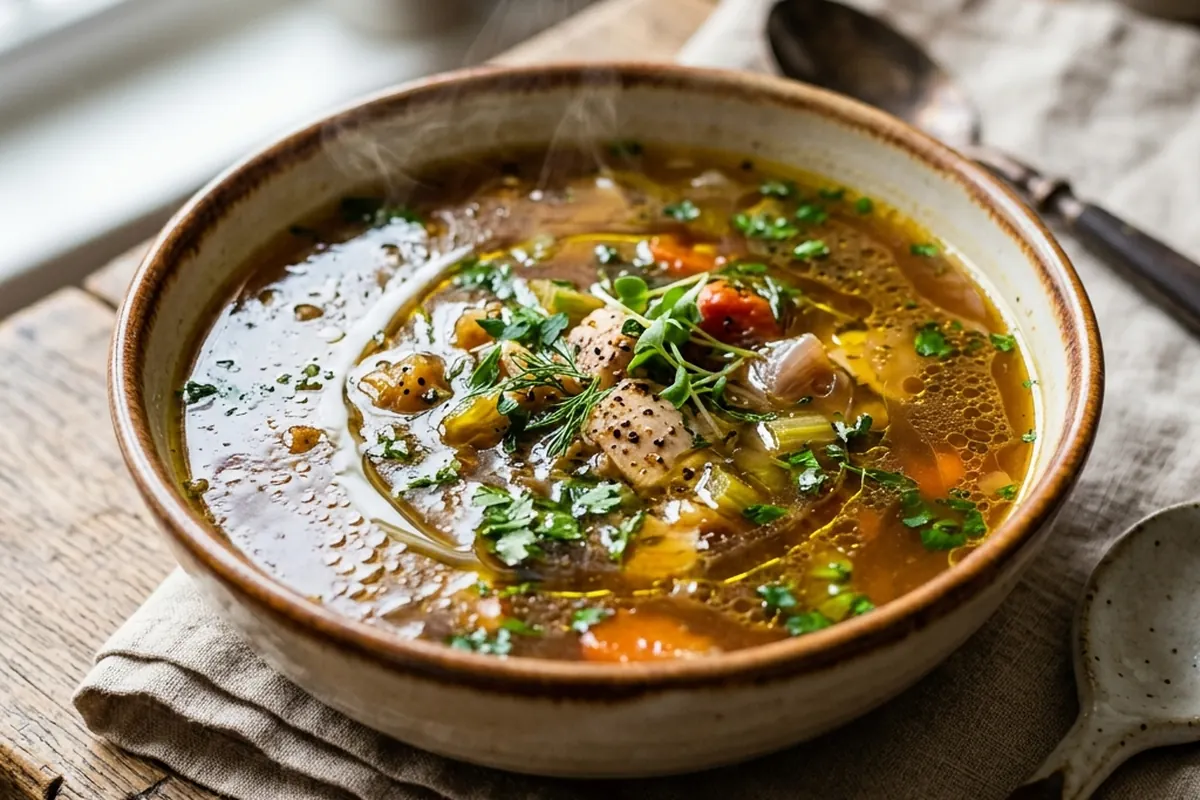
After making hundreds of pots, I have a short list of what separates a top soup from a forgettable one, and none of it depends on fame. Great soup starts with a flavorful base, which usually means real stock rather than water. It is seasoned in layers and finished with acid, so it tastes bright and balanced rather than flat. It has contrast, whether that is a crunchy garnish, a swirl of cream, or fresh herbs against a long-simmered broth. And it respects its ingredients, cooking each one to the right doneness instead of boiling everything to mush.
That is why a humble homemade chicken noodle can beat a famous bowl made carelessly. The ranking on any list matters far less than the cook behind the pot. Master the fundamentals of base, seasoning, and finish, and almost any soup on this page becomes a top soup in your own kitchen.
Pick by flavor family, not just by name
One reason these lists feel overwhelming is that they mix completely different eating experiences under one word. A bowl of miso and a bowl of beef stew are both soup, but they share almost nothing. Sorting the top soups into flavor families makes the choice obvious once you know what mood you are in.
Brothy and clean soups lead with a clear, savory liquid and let the other ingredients float in it: chicken noodle, miso, pho, and most vegetable soups. These feel light and restorative, the kind of bowl you want when you are run down or do not want anything heavy. They cook fast and lean on the quality of the broth, so this is the family where homemade stock pays off most.
Creamy and rich soups are blended or finished with dairy or coconut milk for a smooth, indulgent body: tomato bisque, broccoli cheddar, butternut squash, and tom kha gai. They feel like a treat, satisfy fast, and make excellent first courses. The trade-off is they rarely freeze well, because cream and coconut tend to separate in the cold, so plan to eat them within a few days.
Hearty and chunky soups eat like a full meal, packed with beans, meat, grains, and vegetables in a thicker liquid: minestrone, split pea, beef stew, and bean soups. This is the family to cook when you want dinner in a single bowl and a stocked freezer afterward. They are forgiving, filling, and almost all of them improve overnight as the flavors settle.
When someone asks me what to make, I ask which of those three they are craving before I suggest anything specific. Light and clean, smooth and rich, or hearty and filling. That one question narrows twenty famous soups down to three or four, and from there the time and leftovers questions finish the job.
The mistakes that keep a good soup from being a top soup
Reputation only gets a soup so far. I have eaten plenty of famous recipes made carelessly that were worse than a simple soup made with attention. A few avoidable mistakes are usually the difference.
The biggest one is under-seasoning. Soup needs more salt than people expect because the salt has a large volume of liquid to flavor, and a flat soup is almost always an under-salted one. Salt in stages and taste as you build, rather than dumping it all in at the end. The second mistake is boiling instead of simmering. A hard, rolling boil tears delicate ingredients apart, turns broth cloudy, and makes meat tough, so keep the pot at a gentle simmer where bubbles just break the surface. The third is skipping acid. A squeeze of lemon or a splash of vinegar at the finish lifts a soup from heavy and dull to bright and balanced, and most home cooks never add it.
Two more worth naming. Cooking everything for the same length of time is a quiet killer, because hardy root vegetables and quick greens need very different windows; stagger them so nothing ends up either raw or blown out. And finally, neglecting the base. A soup built on water and a bouillon cube will always taste thinner than one built on real stock, no matter how famous the recipe is. Fix those five things and any soup on this page becomes worth ranking.
Frequently asked questions
What is the most popular soup in the world?
By global crowd ratings, broth-rich noodle soups like Japanese ramen and Thai tom kha gai consistently rank at the very top, while in American home kitchens chicken noodle and tomato are the most-made. Popularity splits by region, but chicken-based soups appear near the top almost everywhere because nearly every culture has its own version.
What is the healthiest top soup?
Brothy vegetable, miso, and bean or lentil soups are among the healthiest, since they are high in fiber and nutrients while staying low in calories and fat. Bean soups in particular deliver strong protein and fiber per bowl. Watch the sodium on broth-based and miso soups, and go easy on cream and cheese in the richer ones.
Which top soups freeze the best?
Split pea, minestrone, beef stew, tomato, and most bean soups freeze beautifully for up to 3 months. Avoid freezing soups with cream, coconut milk, or delicate seafood, since they separate, and freeze the base separately from pasta, rice, or potatoes, which turn mushy. Add those starches fresh when you reheat.
What is the easiest top soup to make?
Miso soup is the fastest at about 15 minutes, and tomato soup is the easiest forgiving classic at around 35 minutes. Both use few ingredients and simple technique. For a heartier easy option, most bean and lentil soups need little more than simmering time and almost no skill.
What is the difference between a soup and a stew?
The main difference is the ratio of liquid to solids. Soups are liquid-forward and often brothy, while stews have less liquid and more chunks of meat and vegetables, cooked longer until thick and the meat is tender. Beef stew sits at the thickest, heartiest end of the same family.
How do I make any soup taste better?
Start with good stock instead of water, salt in layers and taste as you go, and finish with acid like lemon or vinegar to make the flavors pop. A fresh garnish, herbs, or a swirl of good oil at the end adds contrast. These four habits improve nearly any soup, famous or not.
Bottom line
Top soups are not a fixed leaderboard so much as a toolkit, and the best one is the bowl that fits your night. Reach for miso or tomato when time is short, French onion or beef stew when you have an afternoon, and a global bowl like tom kha gai when you want to break out of the rotation. Learn the fundamentals of base, seasoning, and finish, keep a couple of freezer-friendly batch soups in rotation, and you will eat better than any best-of list can deliver, because the real top soup is the one you cook well at home.
If you are just starting to build your repertoire, pick one soup from each flavor family and make it three or four times until it is second nature. A reliable chicken noodle, a smooth tomato, and a hearty bean soup will carry you through most of the year and teach you the techniques that transfer to every other bowl on this list. Master those three, and the rest of the world’s great soups are just variations you already know how to cook.